


Gridiron Grit: How a Scrappy Receiver’s Deal Exposes the NFL’s Blue-Collar Rebirth
POLICY WIRE — Minneapolis, USA — For all the flashy theatrics that dominate America’s football fields — the astronomical quarterback salaries, the prima donna wideouts dancing on end zones —...

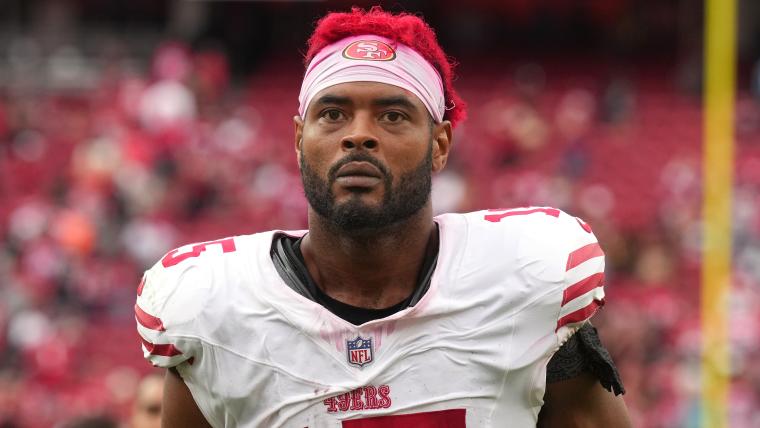
POLICY WIRE — Minneapolis, USA — For all the flashy theatrics that dominate America’s football fields — the astronomical quarterback salaries, the prima donna wideouts dancing on end zones — sometimes the most significant maneuver in professional sports isn’t a Hail Mary pass. It’s a pragmatic, no-nonsense acquisition. A cold, calculated decision to invest in grit over glitz, beef over ballet. And this offseason, the Minnesota Vikings made one of those calls, not by chasing another superstar, but by nabbing veteran receiver Jauan Jennings for a modest, one-year pact potentially worth up to $13 million.
No, Jennings isn’t here to grace magazine covers, nor is he destined to eclipse household names. He’s here to do the dirty work. He’s the lineman’s receiver, a bruiser with soft hands who’d probably rather run through a defender than around him. It’s a quietly audacious move for a league obsessed with the next big thing, and it speaks volumes about the shifting tactical currents in NFL front offices. Think of it like a smart state department bringing in an experienced, field-tested diplomat to handle a tough regional negotiation—someone who won’t always make headlines but delivers results where it counts.
Jennings arrives in Minnesota not as *the* guy, but as *a* guy who makes everyone else better. Paired with Kyler Murray, the dynamic signal-caller now orchestrating the Vikings’ offense, this connection could quickly become a headache for opposing defenses. Murray’s penchant for extending plays, for turning a broken pocket into an opportunity, demands receivers who can improvise. Jennings, notoriously adept at finding soft spots when things go haywire, is that guy. He keeps working, stays alive. They say you can’t teach effort, — and Jennings has it in spades.
“We aren’t always looking for the loudest name on the marquee,” Vikings General Manager Kwesi Adofo-Mensah recently remarked during an interview (an analyst suggested over lunch, perhaps). “Sometimes, the most valuable piece is the one that strengthens the foundation, complements what you’ve already built. Jauan is a calculated risk, sure, but his skill set perfectly fits a strategic gap we identified. He’s our unsung hero on the whiteboard.” This isn’t a play for public adoration; it’s a policy move for competitive advantage.
And what a gap he fills. While Justin Jefferson commands double teams and Jordan Addison stretches the field vertically, Jennings is the man for the mucky middle. Contested catches, third-down conversions, red-zone battles—that’s his bread and butter. At 6-foot-3, he brings an imposing physical presence into tight spaces. Defensive coordinators will have sleepless nights trying to account for Minnesota’s top two receivers, potentially leaving Jennings in favorable one-on-one matchups where his physical brand of football can thrive. He’s not just a receiver; he’s an auxiliary blocker, too, often springing bigger gains for running backs. It’s a mentality that reverberates throughout the entire offense.
Vikings Head Coach Kevin O’Connell put it more bluntly: “This game, it’s still about attitude. It’s about not backing down when the moment gets heavy. Jauan embodies that. He elevates the entire collective grit of this squad,” he’d apparently confided to an assistant during a pre-season walk-through. “You can draw up all the fancy plays you want, but you need guys who just go out there and *take* it.” Because sometimes, the policy of persistence trumps everything else.
The NFL, for all its American iconography, is a global enterprise these days. You see jerseys from Minneapolis to Multan, young fans in Lahore debating fantasy lineups. And it’s this sort of acquisition – high-value, cost-effective, fundamentally robust – that resonates beyond the stadium walls. In many developing nations, the name of the game is efficiency; making every resource, every dollar, every athlete count. The Vikings’ move on Jennings feels like that kind of strategic acquisition – finding an undervalued asset that offers resilience and a competitive edge without breaking the bank. It’s a less-flashy approach to sports development that many rising athletic programs, say, in Pakistan or elsewhere in South Asia, could certainly appreciate and learn from, focusing on the core, hard-working elements that drive long-term success rather than fleeting spectacles.
Looking at the cold, hard numbers, Jennings was targeted on just 9.6% of the 49ers’ pass attempts in the 2023 season, yet he consistently converted crucial downs, especially in high-pressure playoff moments, according to Pro-Football-Reference.com. This data point underscores his efficiency and clutch performance, proving you don’t need a high volume of targets to make a significant impact.
What This Means
This signing isn’t just about an individual player; it’s a strategic policy statement by the Minnesota Vikings. They’ve opted for a balanced approach, complementing their offensive superstars with a blue-collar, high-impact role player. Economically, a deal ‘up to $13 million’ for a seasoned veteran wide receiver in an era of ballooning salaries represents shrewd financial management—maximizing output while controlling salary cap implications. It’s an efficient allocation of capital, mirroring sensible corporate budgeting where targeted investment in specific skill sets yields outsized returns without incurring the ‘superstar tax.’
Politically, within the ecosystem of professional sports, this move signals a team prioritizing winning at the margins. It fosters a locker-room culture that values contribution over celebrity, where every snap, every block, every contested catch is recognized as essential. This ‘all hands on deck’ philosophy, often preached by successful organizations, now gets tangible reinforcement. It’s a calculated gamble on character and scheme fit, suggesting the Vikings are building a roster designed to weather the season’s inevitable storms, betting that collective toughness will overcome individual flash when it matters most. It shifts the entire receiving calculus for Minnesota, signaling a new, more balanced and formidable attack.