


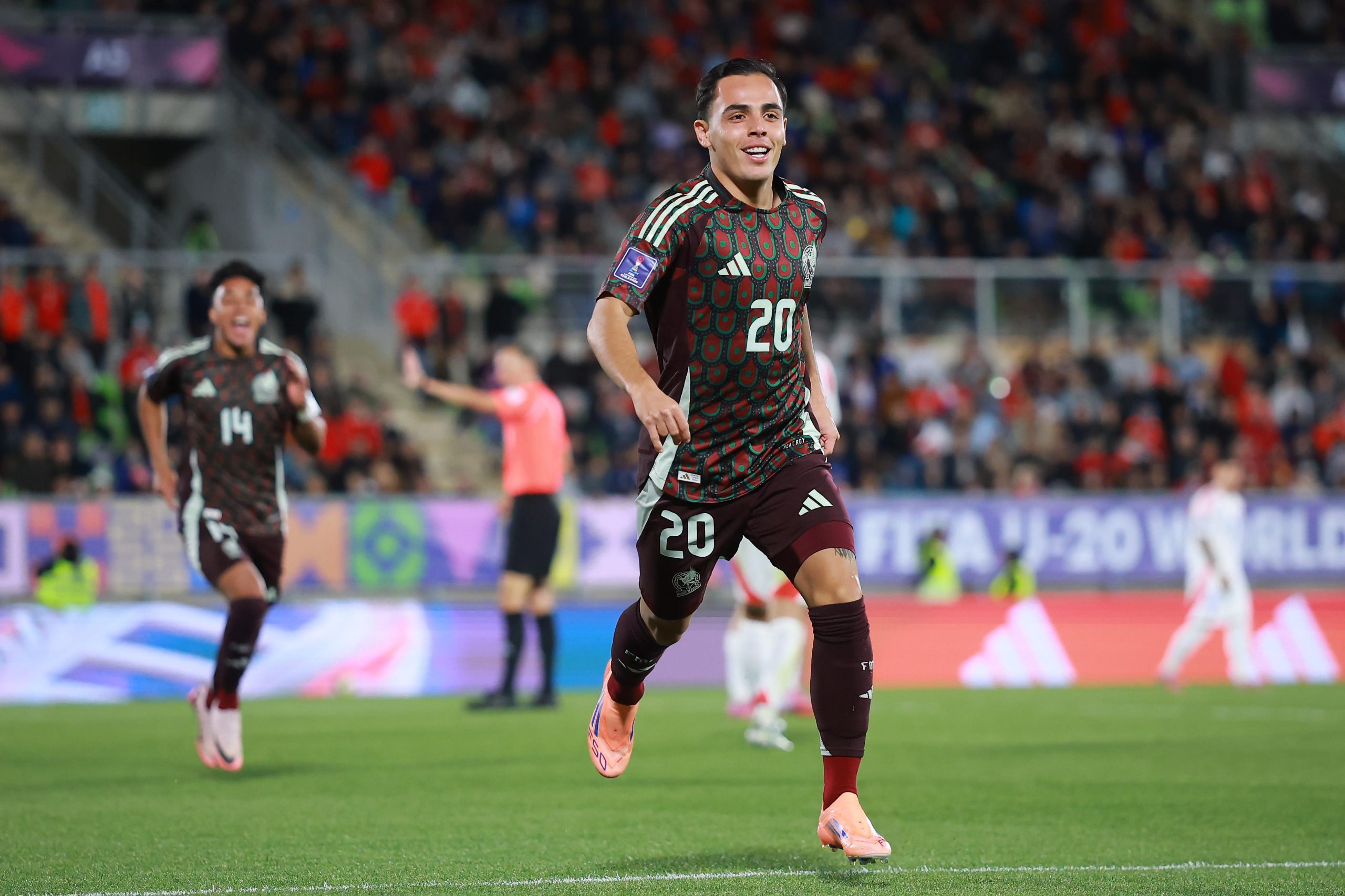
Olympic Echoes, Guatemalan Shadows: Mexico’s High-Stakes U20 Home Tournament
POLICY WIRE — Puebla, Mexico — The ghost of seasons past, it seems, isn’t easily exorcised—especially when it wears the familiar red and blue of Guatemala. While Mexican football fans might...

POLICY WIRE — Puebla, Mexico — The ghost of seasons past, it seems, isn’t easily exorcised—especially when it wears the familiar red and blue of Guatemala. While Mexican football fans might naturally fixate on the upcoming CONCACAF U20 Championship as just another tournament, for the players and coaching staff, it’s a tightrope walk over an abyss of national expectation and Olympic-sized aspirations. This isn’t merely about bragging rights or continental glory; it’s a direct conduit to both the 2027 FIFA U20 World Cup and the coveted sole Olympic spot for the 2028 Los Angeles Games (minus the U.S. automatic bid).
Because that dual pathway comes laden with heavy baggage. Just two years back, Mexico, hosting an identical two-birds-one-stone qualification event, crumpled spectacularly. Their unceremonious exit at the quarterfinal stage, sealed by a penalty shootout against — you guessed it — Guatemala, meant they waved goodbye to both global showcases. An unthinkable failure, many called it, a bureaucratic nightmare for the federation, and a heartbreaking setback for a generation of talent. (Imagine the gnashing of teeth in FMF headquarters).
But time, they say, heals all wounds—or at least provides a chance for redemption. El Tri’s young contingent bounced back with a vengeance, snatching the 2024 CONCACAF U20 Championship. And yet, for all their triumph, there’s a nagging familiarity about the 2026 draw. Not only are they hosting again, this time split between Puebla’s Estadio Cuauhtémoc and Mexico City’s Estadio Banorte for the business end, but they’ll confront Costa Rica and, more pointedly, those Central American nemesis from Guatemala right in their group stage. It’s a rematch nobody specifically asked for, but everyone probably knew was coming.
“We’ve learned from our mistakes,” declared Iñigo Rionda, President of the Mexican Football Federation, his voice measured but firm. “This time, it’s not just about winning; it’s about maturity, about embracing the pressure as hosts, not being consumed by it. We don’t want a repeat of 2022, a blunder that cost us years of potential development.” His sentiment echoes throughout the training grounds, a constant reminder of what’s at stake. Meanwhile, a sly dig from Guatemalan head coach, Gustavo Galván, offered a hint of lingering rivalry: “They might be hosts, they might have more resources, but a penalty shoot-out is always a fair fight, isn’t it? History, it’s often said, repeats itself when lessons go unheeded.”
Mexico’s opening group fixture pits them against Antigua and Barbuda on July 24th in Puebla, followed by Costa Rica on July 27th, and the much-anticipated grudge match with Guatemala on July 30th. Their 2024 victory notwithstanding, this iteration of the U20 squad isn’t universally lauded as a ‘golden generation.’ It’s a good team, yes, but not one bristling with ready-made global stars like some previous Mexican youth setups. It’s an interesting juxtaposition: immense home advantage meets slightly reduced star power. The footballing establishment, which prides itself on identifying and nurturing raw talent, faces its own brutal bureaucracy of talent assessment. Will they overcome it?
For context, consider that since 2005, only four CONCACAF nations — Mexico included — have managed to reach the semifinals of a FIFA U20 World Cup. That’s a roughly 25% success rate for advancing beyond the quarter-finals when representing a confederation often dismissed as a secondary force on the global stage. It shows the sheer effort required to compete internationally, even at youth levels. Countries like Pakistan and those across the South Asia/Muslim world, where football might play second fiddle to cricket or face different infrastructural challenges, often watch these development pathways with a mix of aspiration and envy. But their passion for the game, for its global stories — and high stakes, remains just as fervent. The challenge of turning potential into performance is a global constant, irrespective of climate or creed.
Most pundits pencil Mexico in to top their group. But it won’t be easy. This team will need to grind out results, show that steel which seemed to fail them back in 2022. Because, frankly, the spotlight here shines hotter than usual.
What This Means
For Mexico, hosting this championship isn’t just about sporting glory; it’s an intricate weave of national pride, political optics, and economic potential. Success — specifically, securing both a World Cup spot and, more significantly, the Olympic berth — would provide a considerable shot in the arm for the current administration, especially ahead of a potential changing of the guard in the capital. It validates substantial government and private sector investments in sports infrastructure and youth development programs.
Economically, holding such a multi-stage tournament in Puebla and Mexico City offers a valuable boost to local economies through tourism, hospitality, and ancillary services. It’s not a World Cup, no, but it’s still a concentrated influx of fans, teams, — and media. A victorious campaign also has a multiplier effect: it inspires grassroots participation, attracts further sponsorships to the domestic league (Liga MX), and potentially elevates the transfer value of Mexico’s young prospects in the cutthroat international market. The implications are broad, stretching far beyond the pitch. Failure, however, wouldn’t just be a footballing disappointment; it’d be a policy setback, a missed opportunity, and another nagging reminder that sometimes, even on home turf, you just don’t get the breaks you think you deserve. It’s all a big gamble, isn’t it?