


North London’s Crucible: Arsenal’s Title Quest, a Microcosm of Global Capital and Ambition
POLICY WIRE — London, UK — The true measure of a burgeoning global empire, it seems, isn’t always found in GDP reports or diplomatic communiqués. Sometimes, it’s etched onto the anxious face of...

POLICY WIRE — London, UK — The true measure of a burgeoning global empire, it seems, isn’t always found in GDP reports or diplomatic communiqués. Sometimes, it’s etched onto the anxious face of a football manager, pacing a technical area, weighing the fragile balance between momentum and fatigue. For Arsenal, currently perched precariously at the zenith of English football’s pecking order, today’s clash with Fulham isn’t merely a contest for three points; it’s a profound examination of mettle, an economic bellwether, and a geopolitical narrative playing out on a meticulously manicured patch of North London turf.
Behind the headlines, the palpable tension isn’t just about sporting glory. It’s about securing a position in football’s ultra-lucrative elite, a status that translates directly into billions in broadcasting rights, sponsorship deals, and brand equity that resonates from Islington to Islamabad. Mikel Arteta, Arsenal’s intense tactician, faces perhaps his most consequential decision of the campaign after a bruising midweek Champions League encounter in Madrid. Does he rotate his squad, preserving weary limbs, or unleash his full complement, risking burnout but safeguarding the slender thread of championship momentum? It’s a perennial conundrum, yet one magnified exponentially when a club, once synonymous with consistent triumph, has spent two decades yearning for this specific, agonizing proximity to ultimate victory.
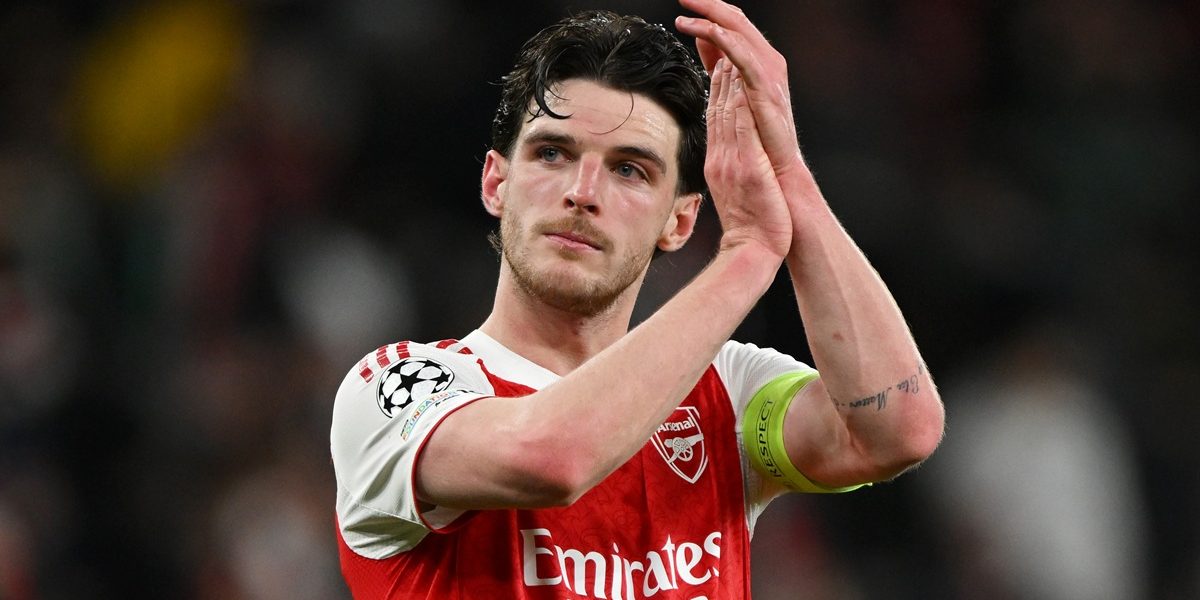
Captain Martin Ødegaard, the Norwegian midfield maestro, has consistently articulated the squad’s collective belief. “I think everyone is feeling that we’re close to something really big,” he posited earlier this week, his words echoing the hopes of millions. That sentiment, building through near-misses and grinding victories, now collides with the harsh reality of a single ninety-minute performance. Arsenal hasn’t lifted the Premier League trophy since 2004 – a quarter-century since their last undisputed domestic hegemony. And the current race, with Manchester City breathing down their neck, demands a near-flawless sprint to the finish.
Still, historical precedence offers a curious blend of reassurance — and warning. The Gunners haven’t suffered a home league defeat to Fulham in 32 attempts, a staggering record stretching back to 1904. One hundred and twenty-two years of dominance at home in this specific fixture, an anomaly unmatched anywhere else in English football, suggests an almost preordained outcome. But football, don’t forget, rarely bows to historical averages when the stakes are this stratospheric. Fulham, a side often cast as the unwitting foil in such narratives, won’t simply acquiesce. Manager Marco Silva, a man intimately familiar with the unforgiving currents of the Premier League, reportedly intoned to his squad, “We’re not here to be part of their coronation; we’re here to play football. Every point, for us, is hard-won, and we’ll defend our pride, especially against the giants.” It’s a statement that, while understated, encapsulates the defiance of the underdog.
This pursuit of glory isn’t just a local affair; it’s a global spectacle, drawing untold millions of eyeballs from disparate corners of the planet. For instance, the Premier League’s international broadcasting rights generated an astonishing £5 billion for the 2022-2025 cycle, according to industry analysis by Deloitte. Much of that revenue derives from fervent fan bases in Asia — and the Middle East. Consider Pakistan, for example, where Premier League loyalties run deep, often passed down through generations. A decisive Arsenal victory, or a crushing defeat, reverberates through bustling Karachi cafes and quiet Lahori living rooms, becoming a communal experience that transcends geography, often shaping weekend conversations and influencing consumer habits in unexpected ways. It’s a soft power play, really, the success of a European club fostering connections and aspirations far beyond its immediate geographic footprint.
📄 POLICY WIRE WHITEPAPER PUBLISHED: PAKISTAN'S NATIONAL SECURITY POLICY PRIORITIES
👉 READ BY CLICKING HEREWhat This Means
At its core, this one match—this fleeting moment of athletic endeavour—is a stark encapsulation of modern football’s hyper-capitalized reality. A title win for Arsenal wouldn’t merely be a cause for celebration; it would be a substantial economic jolt, solidifying their market position, increasing brand value, and unlocking new revenue streams from sponsorship to merchandise. It’s an investment return on years of strategic planning, talent acquisition (often at astronomical cost), and meticulous brand cultivation. Conversely, a stumble now could have tangible, if not immediate, financial repercussions, impacting player valuations and future commercial negotiations.
It’s also about narrative control. In an era where sporting success increasingly translates into national pride and even geopolitical soft power, the sustained eminence of clubs like Arsenal reflects positively on London as a global hub. Their triumphs don’t just elevate a club; they subtly enhance a city’s—and indeed, a nation’s—cultural cachet on the world stage. the sheer psychological weight on Arteta and his youthful squad—their ability to convert immense pressure into peak performance—serves as a compelling case study for leadership and resilience, lessons that extend well beyond the confines of football. For Arsenal, the moment for ‘close’ to finally become ‘done’ isn’t just about lifting a trophy; it’s about cementing a legacy and validating a multi-billion-pound enterprise. The world, it seems, is watching.