

Pahalgam’s False Flag? India’s Reckless Rhetoric vs. Pakistan’s Measured Response
Pahalgam’s False Flag? India’s Reckless Rhetoric vs. Pakistan’s Measured Response: When the deadly attack in Pahalgam, Kashmir, unfolded on April 20, 2025, the entire South Asian region was jolted....
Pahalgam’s False Flag? India’s Reckless Rhetoric vs. Pakistan’s Measured Response: When the deadly attack in Pahalgam, Kashmir, unfolded on April 20, 2025, the entire South Asian region was jolted. Twenty-six innocent lives, including tourists and local civilians, were lost in a devastating act of violence that should have united people across borders in grief and solidarity.
Yet, rather than mourning the loss or calling for a joint investigation, the Indian government immediately turned to a familiar narrative, blaming Pakistan. This unsubstantiated accusation, made without presenting credible evidence or allowing space for investigation, marked a dangerous escalation in an already fragile regional dynamic.
This wasn’t the first time India has taken such a stance. The Pahalgam attack echoed past incidents where, instead of cooperation, New Delhi opted for confrontation. Indian officials and media outlets were quick to name Pakistan-based groups as responsible, despite there being no investigation concluded or evidence shared with the international community. Such accusations, critics argue, serve political interests at home, especially for a government under pressure. With elections looming and internal tensions rising, deflecting blame onto Pakistan becomes a convenient way to stoke nationalist sentiment.
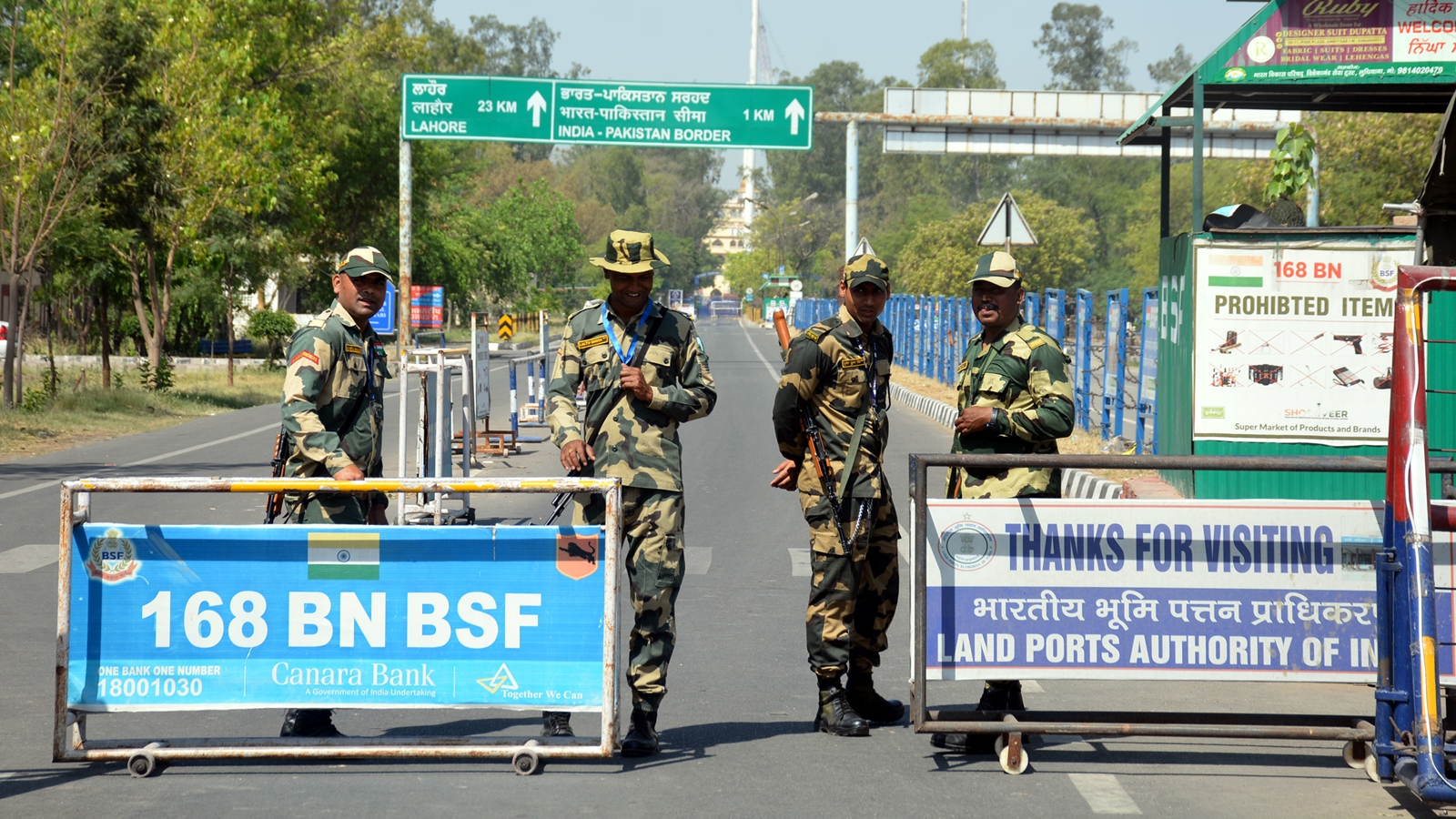
India’s response didn’t stop at rhetoric. In a series of sweeping measures, the Indian government suspended the historic Indus Waters Treaty, a treaty that has withstood wars and political upheaval since 1960. They also shut down the Attari-Wagah border crossing, revoked visas for Pakistani nationals, and issued travel advisories to their citizens against visiting Pakistan. These moves, abrupt and provocative, not only strained diplomatic ties but also disrupted the lives of countless ordinary citizens on both sides of the border, students, pilgrims, traders, and families.
In contrast, Pakistan responded with a level-headed, calculated approach. Rather than being drawn into an emotional or reactionary spiral, the government convened a high-level meeting of the National Security Council (NSC) on April 23, 2025, chaired by Prime Minister Shehbaz Sharif. The NSC meeting brought together top civilian and military leaders to assess the evolving situation and determine a path forward. What emerged was a clear demonstration of responsible governance, rooted in law, diplomacy, and the protection of national sovereignty.
In response to India’s aggressive posture following the Pahalgam incident, Pakistan’s National Security Council (NSC) laid out a clear and strategic roadmap, rooted in diplomacy, law, and national security. Engaging international allies was the priority, with the Foreign Office directed to reach out to key partners such as China, Turkey, and members of the Organization of Islamic Cooperation (OIC). The aim was to present the ground realities, counter India’s narrative, and build a unified diplomatic front to prevent further destabilization in the region.
Next, Pakistan emphasized its unwavering respect for legal norms by upholding international law. The NSC instructed the relevant ministries to prepare for possible legal action through forums like the United Nations and the International Court of Justice (ICJ), particularly in light of India’s threats to suspend the Indus Waters Treaty. This step reinforced Pakistan’s preference for rules-based conflict resolution and highlighted the stark contrast with India’s unilateral actions.
Security also featured prominently in the NSC’s decisions. Strengthening internal security was deemed essential, especially along the eastern borders. Intelligence agencies were tasked with ramping up surveillance and readiness to deter any false-flag operations or surprise escalations. The goal was to ensure the country’s preparedness on military, diplomatic, and economic fronts. In addition to hard security measures, the NSC recognized the importance of narrative and perception management. Public diplomacy and media strategy were approved as key tools to ensure Pakistan’s voice was heard globally. The government committed to a unified, fact-based communication plan to challenge misinformation and showcase its responsible stance to the international community.
Finally, and perhaps most importantly, Pakistan resolved to act with strategic restraint. The NSC reaffirmed the country’s desire for peaceful resolution and constructive dialogue but made it clear that this should not be mistaken for weakness. While avoiding provocation, Pakistan emphasized its readiness to defend its sovereignty with full resolve if necessary.
📄 POLICY WIRE WHITEPAPER PUBLISHED: PAKISTAN'S NATIONAL SECURITY POLICY PRIORITIES
👉 READ BY CLICKING HEREPakistan’s response stood out not just for what it did, but for what it chose not to do. While India shut its doors and issued threats, Pakistan kept communication channels open. While India walked away from decades-old treaties, Pakistan clung to legal frameworks. And while Indian leaders issued bold rhetoric, Pakistan’s leadership issued sober, strategic decisions.
This difference in approach was not missed by observers across the globe. International analysts praised Pakistan for avoiding escalation and choosing diplomacy at a time when tensions could have easily spiraled out of control. Behind the politics and posturing are real human stories. Traders are stranded by the closure of border crossings. Families forced to cancel reunions. Students are left uncertain about their futures. In moments like this, governments must rise to protect not just national interests but human dignity.
While Pakistan prefers peace, it will never compromise on its sovereignty and dignity. History proves this, from 1965 to 1971 and beyond, Pakistan has always defended its honor with courage. If anyone mistakes restraint for weakness or believes Pakistan will stay silent in the face of baseless accusations and hate speech, they are dreaming. Pakistan’s patience is strategic, not submissive. Peace is our choice, but never at the cost of self-respect. The world should know: this is the same Pakistan that stood tall before, and it stands just as strong today.
Author