


China’s Property Phantom: Guangzhou’s Incentives Expose Deeper Economic Tremors
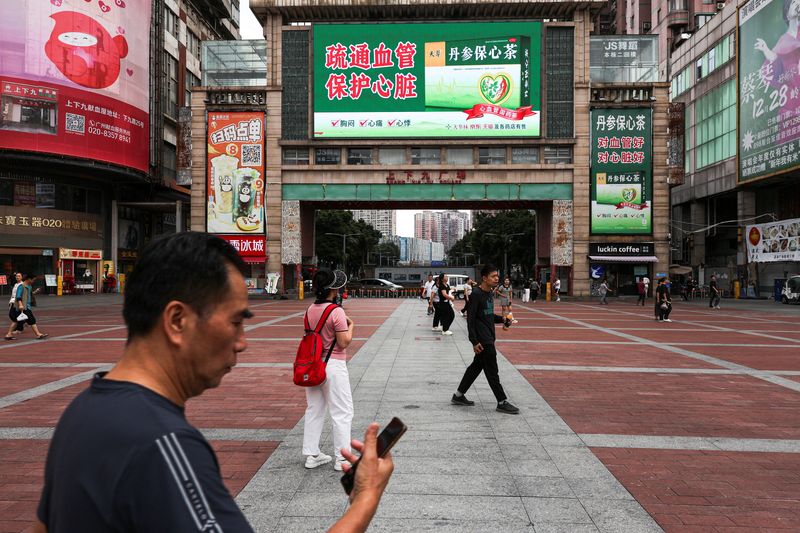
POLICY WIRE — Guangzhou, China — The quiet desperation emanating from China’s once-unassailable property sector has, for months, been an open secret. Now, Guangzhou, a gleaming southern metropolis...

POLICY WIRE — Guangzhou, China — The quiet desperation emanating from China’s once-unassailable property sector has, for months, been an open secret. Now, Guangzhou, a gleaming southern metropolis long considered an economic engine, has decisively pulled back the curtain, unveiling a suite of homebuying incentives that, far from signaling robust growth, whisper of systemic anxieties. It’s a move designed, one suspects, to calm rather than fundamentally shift the market’s entrenched pessimism.
At its core, the policy package represents a stark acknowledgement: the freefall in property sales and developer confidence requires intervention. The city has dramatically relaxed restrictions on housing purchases, allowing individuals who’ve paid social insurance for six months to buy property — a significant shortening from the previous two-year requirement. For those without local residency permits, the hurdles have similarly diminished, effectively widening the pool of eligible buyers in a bid to inject much-needed liquidity into a frozen market. And make no mistake, this isn’t merely a local skirmish; it’s a frontline engagement in Beijing’s protracted battle to stabilize an industry that contributes a colossal chunk — by some estimates, up to 30% — of the national GDP.
Behind the headlines, this gambit underscores a precarious tightrope walk for Chinese authorities. They’re attempting to reflate a bubble that burst without reigniting the speculative fervor that caused its initial inflation. It’s an intricate dance. Official statements, predictably, maintain a veneer of strategic foresight. “Guangzhou’s proactive measures reflect our unwavering commitment to urban vitality and ensuring every resident has access to quality housing,” declared Zhang Wei, Director of Guangzhou’s Urban Development Bureau, with practiced resolve. “This isn’t just about economic metrics; it’s about social harmony and the aspiration of our people.” Such pronouncements, however, often clash with the stark realities on the ground.
Still, the prevailing sentiment among independent observers remains one of cautious skepticism. “These incentives, frankly, feel like putting a band-aid on a gushing wound,” observed Dr. Lena Khan, a senior economist specializing in East Asian markets at the Global Policy Institute. She shot back at the notion of a quick fix. “They address symptoms, not the systemic issues of overleveraged developers — and wavering consumer confidence. It’s a short-term palliative, not a cure, and it won’t magically restore the faith of potential homebuyers who’ve seen their initial investments evaporate.” Her assessment carries weight; according to a recent report by Standard & Poor’s, property sector investment in China plunged by approximately 9.6% year-on-year in 2023, a stark indicator of the prevailing market apprehension. That’s a precipitous slump, signifying a retreat from what was once considered the safest of bets.
The reverberations of China’s domestic economic struggles don’t merely echo within its borders. Nations like Pakistan, heavily vested in Beijing’s Belt — and Road Initiative (BRI), watch with trepidation. A sustained slowdown in China, particularly in its economic drivers like real estate and manufacturing, could constrict the very capital flows and market demand that have underpinned projects stretching from Gwadar to Lahore. It’s a complex economic symbiosis; any significant recalibration in Beijing’s fiscal priorities could impact everything from infrastructure development to textile exports across South Asia – a domino effect no one wants to contemplate. For countries already grappling with their own economic vulnerabilities, a weakened Chinese partner introduces another layer of uncertainty, making an already fraught global economic landscape even more unpredictable.
📄 POLICY WIRE WHITEPAPER PUBLISHED: PAKISTAN'S NATIONAL SECURITY POLICY PRIORITIES
👉 READ BY CLICKING HEREWhat This Means
Guangzhou’s latest gambit is more than a localized urban policy; it’s a bellwether for Beijing’s mounting anxiety over the property sector. The urgency with which these measures are being deployed suggests a recognition that the crisis is far from abating and indeed, might be deepening. Politically, the Communist Party faces a delicate balancing act. Its legitimacy has long rested on delivering continuous economic growth and rising living standards, a promise inextricably linked to the housing market. A protracted property slump not only undermines household wealth – for many Chinese, housing represents their primary asset – but also threatens social stability, a paramount concern for the government.
Economically, if these incentives fail to genuinely resuscitate demand, other major cities will undoubtedly follow suit, potentially leading to a patchwork of desperate local interventions that lack a cohesive national strategy. This piecemeal approach, however, might only deepen distortions rather than resolve them. It indicates Beijing’s reluctance to unleash a full-scale stimulus that could re-inflate asset bubbles or swell local government debt further. So, they’re opting for surgical, localized nudges, hoping to find the precise pressure point that restarts the engine without blowing a gasket. But the risk here isn’t just financial; it’s a test of the state’s capacity to manage complex, interconnected economic challenges without sacrificing its grand vision for national development and global influence. The coming months will reveal if Guangzhou’s tactical retreat is merely a temporary reprieve or the harbinger of a more profound economic reckoning.