

Digital Phantoms Haunt Jakarta: Vintage Footage Undermines Crisis Response
POLICY WIRE — Jakarta, Indonesia — The flickering image of a nation’s leader, somber and surveying a scene of devastation, often serves as a potent symbol of solidarity in crisis. But what happens...

POLICY WIRE — Jakarta, Indonesia — The flickering image of a nation’s leader, somber and surveying a scene of devastation, often serves as a potent symbol of solidarity in crisis. But what happens when that image is a ghost from the past, repurposed to narrate a current tragedy? Indonesia is grappling with precisely this digital specter, as archived footage of its president has been widely circulated, erroneously presented as his immediate response to a recent, calamitous train derailment. It’s a disquieting reminder that in the age of hyper-connectivity, the past isn’t merely prologue; it’s prime fodder for present-day deception.
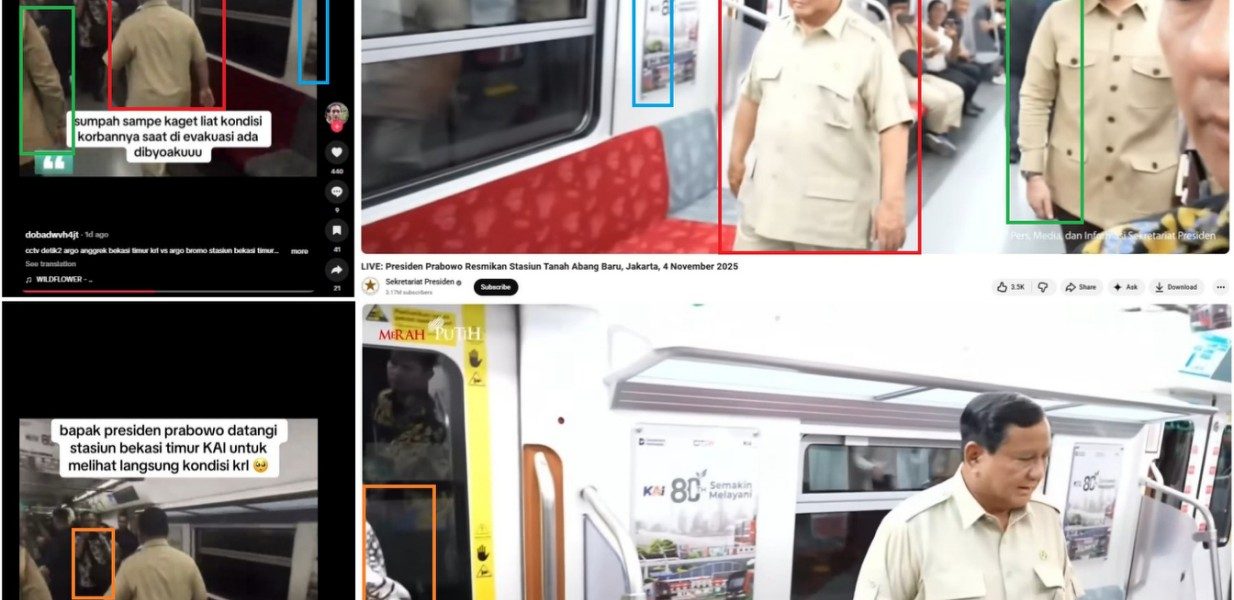
The incident, a recent and tragic train crash that claimed several lives and injured dozens, quickly became a focal point for national grief and administrative scrutiny. As the public clamored for a swift, decisive response from the highest office, a flurry of videos depicting the President navigating a wreckage site began to proliferate across social media platforms. Users, often driven by a fervent desire for information (or perhaps, confirmation bias), shared these clips en masse, applauding what they perceived as immediate, hands-on leadership.
And then, the quiet, inconvenient truth surfaced: the footage wasn’t new. It depicted the President’s visit to the site of a different, albeit similarly devastating, incident from years prior. This wasn’t a fresh demonstration of swift action; it was a digital echo, meticulously mislabeled and strategically deployed, whether by unwitting citizens or deliberate provocateurs, to shape a narrative. The effect, predictably, was a deepening of cynicism, a familiar companion to modern political discourse.
“This calculated spread of deceptive content isn’t merely an attack on the President; it’s an assault on truth itself, designed to sow discord when national unity is paramount,” shot back Dr. Aria Wirayudha, a presidential spokesperson, in a terse statement to Policy Wire. His indignation wasn’t just for the President, but for the fraying threads of factual consensus. Still, the genie, once out of the bottle, isn’t easily recaptured, especially not in a country where digital literacy often lags behind digital adoption.
Behind the headlines, this digital slight-of-hand underscores a burgeoning crisis of authenticity. In Southeast Asia, a region characterized by its colossal and rapidly expanding internet user base, such episodes aren’t isolated anomalies; they’re becoming a distressingly common feature of the political landscape. A 2022 survey by Indikator Politik Indonesia revealed that 60.2% of Indonesian respondents perceived social media as a significant source of misinformation. That’s a staggering figure, indicative of a pervasive distrust that corrodes public discourse.
But it’s not just Indonesia. The tactic of weaponizing old clips and decontextualized images finds fertile ground across the broader Muslim world and South Asia. From electoral campaigns in India to sectarian tensions in Pakistan, the digital realm has become a battleground where historical footage is resurrected, twisted, and then unleashed to inflame passions or discredit opponents. Pakistan, for instance, frequently sees archival footage of political rallies or natural disasters resurface, framed as current events to manipulate public opinion during periods of political volatility.
📄 POLICY WIRE WHITEPAPER PUBLISHED: PAKISTAN'S NATIONAL SECURITY POLICY PRIORITIES
👉 READ BY CLICKING HERE“What we’re witnessing isn’t just a misattribution; it’s a meticulously crafted narrative designed to weaponize digital history against public perception,” observed Professor Lena Santoso, Director of the Jakarta Center for Digital Ethics. “It’s a dangerous precedent that undermines democratic discourse across the archipelago — and far beyond, echoing the same tactics we see in India’s electoral echo chambers.” Santoso’s grim assessment paints a picture of a digital ecosystem increasingly hostile to unvarnished reality.
The speed with which these visual fictions spread is often breathtaking, outpacing any official correction or fact-check. It creates a peculiar reality where perception, however manufactured, frequently trumps verified fact. The current administration, like many before it and many around the globe, finds itself in a perpetual game of whack-a-mole, batting down one falsehood only for another to pop up, fresher and perhaps even more convincing, moments later. It’s a draining exercise, — and one that doesn’t always win public confidence back.
What This Means
The immediate political implication is a further erosion of trust in both government communications and traditional media. When a leader’s genuine actions are questioned because of digitally fabricated or repurposed evidence, the foundational contract between the governed and the government frays. Economically, this climate of pervasive misinformation can deter investment, especially if it fuels political instability or public unrest. Foreign entities, observing a nation where basic facts are constantly contested, might hesitate to engage, fearing unpredictable policy shifts or an unreliable information environment. it puts immense pressure on digital platforms — already under scrutiny — to develop more robust, proactive mechanisms for content moderation, a task fraught with its own complex political and ethical dilemmas in a region valuing both free expression and social harmony. At its core, the ability to discern truth from digitally resurrected fiction is becoming an essential civic skill, and its absence, a profound vulnerability for any modern state.