
Whispers of Liberty: High Court Fortifies Free Speech Against State Inquiry’s Gaze
POLICY WIRE — Washington D.C., USA — America’s highest bench, a bastion of often-contradictory jurisprudential currents, just delivered a subtle but seismic tremor through the...

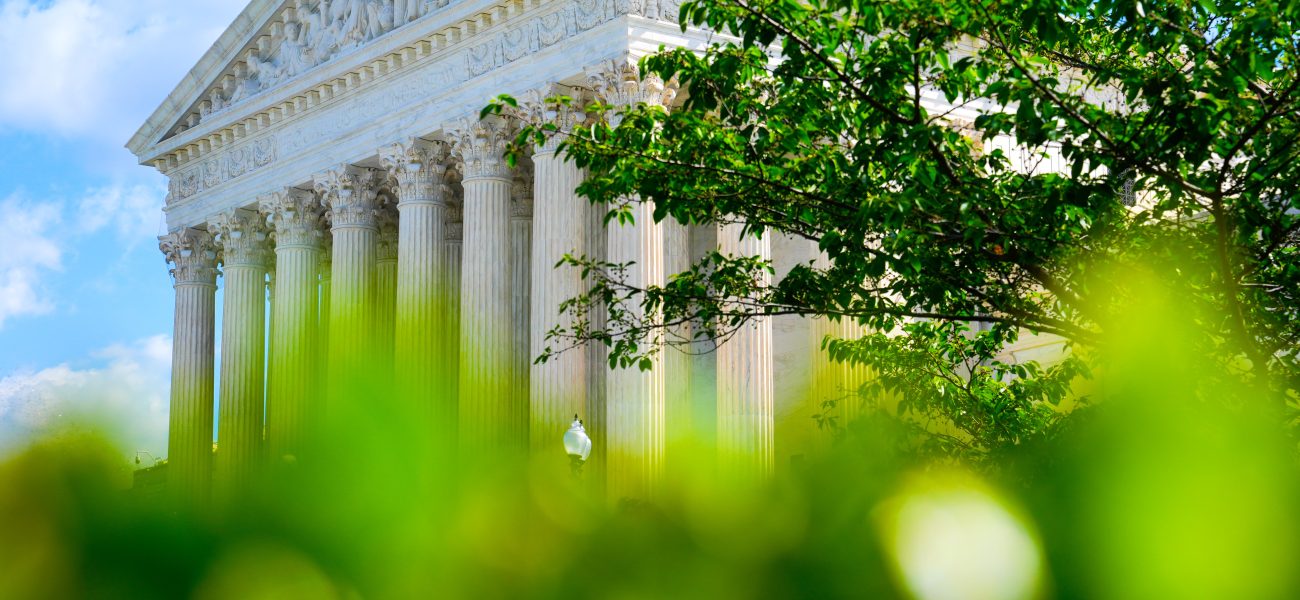
POLICY WIRE — Washington D.C., USA — America’s highest bench, a bastion of often-contradictory jurisprudential currents, just delivered a subtle but seismic tremor through the landscape of free expression. It wasn’t about ballot boxes or campaign finance — not directly, anyway — but the far more intimate realm of belief and persuasion. The Supreme Court, in a decision that resonated with a quiet but unmistakable thud, essentially told a state its investigative zeal had overstepped the bounds of the First Amendment, specifically when targeting the messaging of an anti-abortion organization.
Massachusetts officials, in their earnest pursuit of consumer protection, had initiated a probe into the Aletheia Center, a faith-based crisis pregnancy service. They harbored suspicions that the center — which offers counseling and resources — might be engaging in deceptive practices, perhaps not fully disclosing its anti-abortion stance or the limitations of its medical offerings. But the High Court, without much fanfare, punted, sending the case back down the judicial ladder with a clear signal: the state’s demands for information, particularly concerning the center’s religious motivations and the content of its counseling, verged on compelled speech, a legal red line.
And what’s at stake here isn’t just bureaucratic paperwork. No, it’s the very perimeter of governmental authority over ideologically driven entities, a perennial American tussle. It suggests that even well-intentioned state efforts to police information — especially information infused with moral or religious conviction — will confront a formidable constitutional rampart. This wasn’t a sweeping declaration, mind you, but a pointed procedural win that carries weighty implications for how states can scrutinize organizations whose missions are inextricably linked to their beliefs.
“This ruling isn’t merely a victory for one organization; it’s a resounding affirmation that conscience, particularly when guided by deeply held moral convictions, remains inviolable against government overreach,” asserted Carol Vance, President of Americans for Life, her voice brimming with judicious triumph. She contended it was a necessary bulwark against states attempting to silence or regulate dissenting viewpoints on contentious social issues. For Vance and her cohorts, it’s about shielding faith-based groups from being compelled to parrot state-sanctioned narratives.
But the counter-argument isn’t without its own persuasive cadence. Critics of such centers, and of the Supreme Court’s protective posture, contend that the line between protected speech and potentially misleading information becomes perilously blurred. So, when does persuasion morph into deception? And whose responsibility is it to draw that distinction for a vulnerable public? These aren’t easy questions, and the Court’s current conservative bent appears inclined to err on the side of maximal free speech protection for certain organizations, even if it means circumscribing governmental oversight.
“We’re witnessing a troubling expansion of what constitutes protected speech, potentially allowing organizations to operate with minimal transparency while still influencing deeply personal decisions,” countered Eleanor Reed, Legal Director for the Civil Liberties Alliance, her assessment notably more circumspect. She worried aloud about the chilling effect on legitimate state investigations into consumer protection, especially given the emotional intensity surrounding reproductive health services. It’s a delicate balance, this protection of speech versus the state’s duty to safeguard its citizens from undue influence or outright misinformation.
📄 POLICY WIRE WHITEPAPER PUBLISHED: PAKISTAN'S NATIONAL SECURITY POLICY PRIORITIES
👉 READ BY CLICKING HEREStill, this nuanced dance between state power and religious conviction isn’t unique to the American experiment; indeed, across the Muslim world, from Lahore’s bustling madrassas to Jakarta’s burgeoning evangelical movements, the interplay between faith-based initiatives and governmental oversight presents its own complex tapestry of rights and regulations. One often sees how states grapple with — or overtly control — religiously inspired activism, a stark contrast to the US High Court’s protective posture here. Pakistan, for instance, faces its own invisible handshake between religious authorities and state apparatus, where the freedom of religious expression can sometimes clash dramatically with broader civil liberties or state interests in social cohesion.
At its core, the Court’s ruling underscores a foundational tension in American governance. The state’s power to regulate professions — and protect consumers is undeniable. However, when that regulation brushes up against the expressive activities of an organization — especially one rooted in deeply held beliefs — the First Amendment invariably gets its say. According to a 2023 report by the Charlotte Lozier Institute, there are over 2,700 crisis pregnancy centers operating in the United States, offering services ranging from counseling to material support. This sheer volume indicates the widespread footprint of such organizations and the potential reach of any governmental efforts to regulate their messaging.
What This Means
Politically, this decision emboldens faith-based organizations to resist state-level efforts to regulate their messaging, particularly on issues considered morally or religiously charged. It could well lead to a surge in legal challenges against similar state investigations, creating a patchwork of regulatory effectiveness across the nation. Economically, while not immediately quantifiable, the ruling indirectly impacts the operational costs for these centers by potentially reducing the burden of compliance with state disclosure mandates. But it also means that, for advocates of stricter oversight, the legislative battlefield shifts, possibly towards more narrowly tailored regulations that avoid direct impingement on core expressive activities. Behind the headlines, this ongoing pushback against state investigations also speaks to a broader, endemic skepticism towards institutional oversight, a distrust exacerbated by — and not entirely dissimilar from — the ‘shadows of the pandemic’ and its attendant controversies. The long-term implication is a judiciary increasingly attuned to the perceived threats against religious liberty and freedom of conscience, even as it navigates the murky waters of what constitutes legitimate state protection versus overreach.