


Europe’s Grand Arena: Arsenal’s Champions League Bid as a Microcosm of Global Economic & Reputational Stakes
POLICY WIRE — London, UK — Beneath the gleaming spectacle of European club football, a high-stakes economic drama often unfolds, far removed from the immediate cheers and groans of the terraces. This...

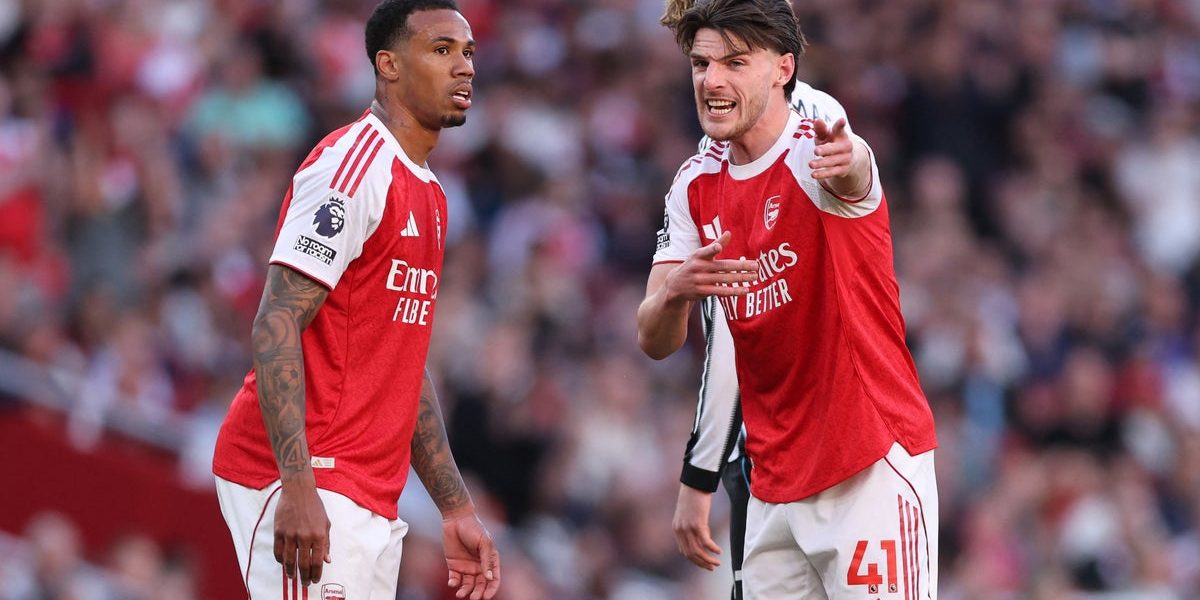
POLICY WIRE — London, UK — Beneath the gleaming spectacle of European club football, a high-stakes economic drama often unfolds, far removed from the immediate cheers and groans of the terraces. This week, as London’s Arsenal Football Club prepares for only its second Champions League final — an improbable pivot from a domestic season teetering on the precipice of underachievement — the narrative isn’t simply about athletic prowess. It’s about immense financial outlays, global brand positioning, and the potent, albeit ephemeral, commodity of collective morale.
For weeks, the Gunners’ Premier League campaign has been a study in exquisite agony, the title slipping precariously from their grasp. Yet, an odd tranquility has enveloped the squad concerning their European endeavor. It’s a curious dichotomy, isn’t it? The pursuit of club football’s most coveted trophy, a prize historically elusive to Arsenal, has seemingly become a therapeutic diversion from the gnawing pressure of their home front. Mikel Arteta, Arsenal’s often-intense manager, articulated this peculiar calm. “That’s the way we’re all feeling,” he remarked, his tone betraying a rare lightness. “And that’s the energy that I feel amongst the team — and the club. This is the stage that we want to be, that we have earned.” It’s a remarkable sentiment, especially for an institution perpetually under the unforgiving gaze of its global fan base.
Still, this seeming liberation might just be a temporary reprieve. A failure on European football’s grandest stage could, quite frankly, amplify the domestic disappointments into an existential crisis for the North London club. Conversely, victory wouldn’t merely save a season; it’d transform it, elevating what many pundits had prematurely labelled a monumental “bottle job” into perhaps the most storied chapter in Arsenal’s annals. And now, as they acclimate to the Metropolitano pitch, the weighty silhouette of the trophy looms large, threatening to inject a dose of raw, unadulterated pressure where a peculiar freedom previously reigned.
But Atlético Madrid, their formidable Spanish opponents, aren’t entering this fray with any such psychological luxury. Their domestic season has been one of stark deprivation, epitomized by a recent Copa Del Rey final loss. For Diego Simeone’s men, the Champions League isn’t a balm; it’s an absolute imperative. Their star striker, Antoine Griezmann, nearing an anticipated departure to Major League Soccer, embodies this desperation. His swansong is meant to be a crowning achievement for an era, not a lament. And it’s not just about a player’s legacy. Atlético have endured five Champions League eliminations by their local rivals, Real Madrid, in recent memory. This juncture marks the first time in the Simeone epoch they’ve outlasted them. “At its core, this match isn’t just about winning a cup; it’s about validating an entire club’s enduring struggle for recognition on the global stage,” opined Dr. Aziza Rahman, a sports sociologist specializing in European football’s cultural impact. “For clubs like Atlético, with deep historical roots and passionate support, a European triumph can act as a potent source of national pride, even a soft power tool, resonating far beyond Spanish borders.”
Indeed, the Champions League final’s reach is prodigious. While the roar of the European crowd dominates, the eyes of millions in distant lands remain fixed on the proceedings. For instance, the Union of European Football Associations (UEFA) reported that the Champions League final consistently draws a global audience exceeding 380 million viewers, with significant proportions tuning in from emerging markets, including across Pakistan and the broader Muslim world. These regions, teeming with fervent supporters, don’t just consume the spectacle; they integrate it into their cultural fabric, often seeing reflections of their own aspirations in the triumphs and travails of these European giants. The outcome, you see, isn’t just a result; it’s a shared emotional investment.
📄 POLICY WIRE WHITEPAPER PUBLISHED: PAKISTAN'S NATIONAL SECURITY POLICY PRIORITIES
👉 READ BY CLICKING HEREThe disparity in recent form between the finalists is stark. Atlético has registered a paltry two wins from their last nine outings, a stark departure from the impenetrable defensive bastions Simeone’s sides once epitomized. They’re porous now; the quality, many suggest, simply isn’t there. Arsenal, for their part, have also faced questions about their offensive dynamism, particularly lacking a player of Griezmann’s current caliber — that rare athlete who, defying conventional wisdom, seems to improve with age, morphing into the cerebrum of his side (a ‘quarter-back’ figure, as he’s known internally at Atlético). This chasm in individual brilliance could prove decisive in the crucible of a final. But then again, football, like geopolitics, rarely follows a predictable script.
Arteta, ever the pragmatist, continues to frame the moment as an unparalleled opportunity. “Now is the moment to make a statement and show how good we’re, how much we want it, and make it happen; it’s clear,” he declared, his voice rising with conviction. “The opportunity is in front of us, and we have to attack it.” This newfound European freedom, that elusive psychological edge, might just be Arsenal’s most potent weapon against an Atlético side for whom desperation is a way of life.
What This Means
The Champions League final, beyond its immediate sporting drama, serves as a potent microcosm of the globalized economic landscape and its human commodity. For Arsenal, a victory could inject hundreds of millions in prize money, sponsorship bonuses, and increased brand value – a significant financial shot in the arm after years of varying returns on their substantial investments in talent. This economic windfall directly impacts everything from future transfer budgets (the human commodity crucible of modern sport) to the club’s ability to attract top-tier global talent. Conversely, a loss could exacerbate financial pressures, potentially leading to difficult decisions regarding player retention or acquisition, especially if domestic league performance continues to lag. For Atlético, a club with a more constrained budget, the stakes are arguably even higher. A win isn’t just glory; it’s financial oxygen and a crucial validation for their often-gritty, underdog identity in the shadow of Real Madrid’s consistent dominance. So, what you’re watching isn’t just a game. It’s a colossal exchange of capital, influence, and national pride, played out under the bright lights of Europe’s premier football theatre.