


Silent Diplomacy in Hoofbeats: How a Rare Antelope’s Repatriation Illuminates Global Policy Fault Lines
POLICY WIRE — Nairobi, Kenya — In a world perpetually fixated on trade disputes, border skirmishes, and the relentless churn of national interests, a rather unassuming story recently...

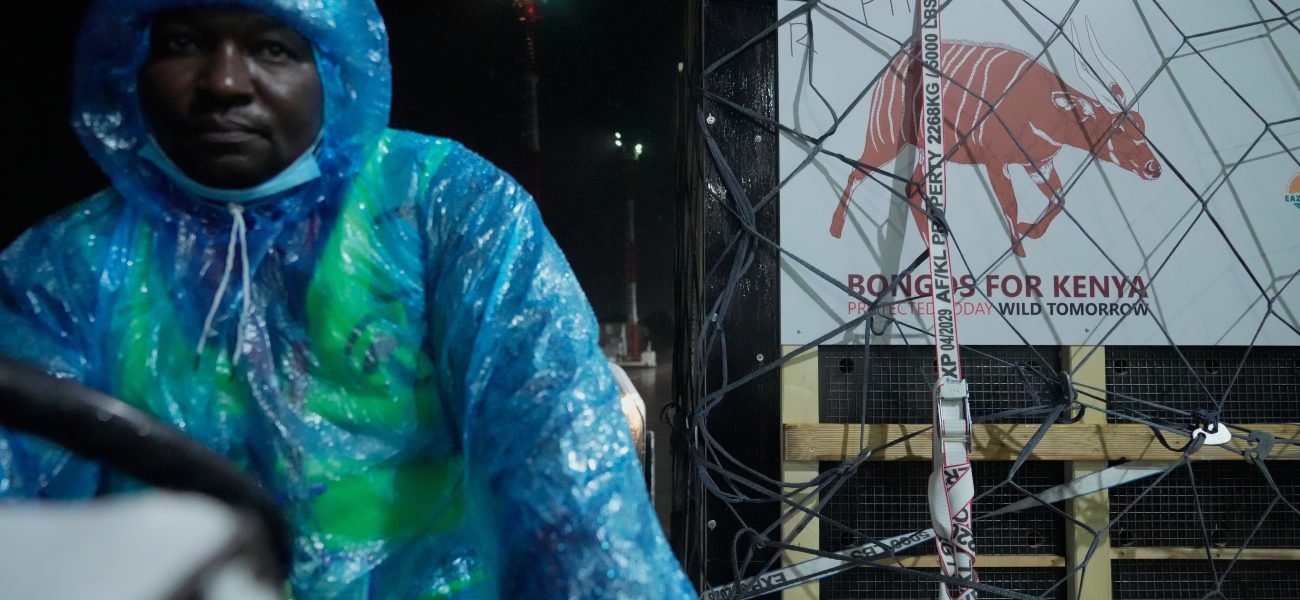
POLICY WIRE — Nairobi, Kenya — In a world perpetually fixated on trade disputes, border skirmishes, and the relentless churn of national interests, a rather unassuming story recently unfolded, punctuated by the rhythmic thud of hooves against crate floors. It wasn’t oil, or data, or even a diplomatic envoy making headlines, but a consignment of critically endangered roan antelopes — airlifted from the unlikely sanctuary of a Czech zoo back to their ancestral Kenyan plains. This isn’t merely a wildlife transfer; it’s a quiet, complex ballet of international cooperation, financial burden, and the often-unspoken geopolitics of environmental stewardship.
Behind the headlines — which, admittedly, were sparse — lies a narrative richer than mere animal welfare. It’s about a nation, Kenya, reasserting its claim over its natural patrimony, leveraging global partnerships to mend ecological ruptures. And it’s about institutions like the Dvůr Králové Zoo in the Czech Republic, acting as custodians, then orchestrators of a return that underscores a shifting philosophy: from captive preservation to aggressive rewilding. You see, these animals aren’t just biological specimens; they’re investments, symbols, — and indeed, soft power currency.
The roan antelope (Hippotragus equinus) — a magnificent creature, often overshadowed by its more charismatic savannah cousins — has seen its numbers plummet across Africa, victims of habitat loss, poaching, and human encroachment. Their critically endangered status in Kenya prompted a desperate outreach, a plea answered by distant European benefactors. This latest batch, a carefully selected group, represents a fragile hope. And it’s no small feat, ferrying these large, delicate animals across continents; it’s an exercise in specialized logistics, veterinary science, and an often-exorbitant price tag.
“We’ve painstakingly bred these magnificent creatures, not just for exhibition, but with this very day in mind,” articulated Petr Hrubý, Director of the Dvůr Králové Zoo, during a virtual press briefing. “It’s a testament to what focused, long-term international collaboration can achieve, even when our own public might prefer to keep them closer to home. But their true home — that’s where they belong.” His sentiment encapsulates the often-conflicting pressures zoos face — public engagement versus biological imperative. Still, the underlying message is clear: global problems sometimes demand global solutions, even if they require animals to traverse vast distances.
In Nairobi, the mood was one of cautious jubilation. “This repatriation isn’t just about the roan antelope; it’s about the soul of our nation, our commitment to biodiversity, and our pledge to future generations,” shot back Dr. Edwin Wasonga, Chief Conservator at the Kenya Wildlife Service (KWS). “It’s an expensive undertaking, yes, but the cost of inaction, of losing such a vital part of our ecosystem, is simply incalculable.” Wasonga’s emphasis on national identity and future generations highlights the deeper cultural and economic stakes involved. Kenya, much like many nations grappling with conservation, balances ecological ideals with harsh global economic realities.
📄 POLICY WIRE WHITEPAPER PUBLISHED: PAKISTAN'S NATIONAL SECURITY POLICY PRIORITIES
👉 READ BY CLICKING HEREThe global tapestry of conservation, often frayed by competing priorities, nonetheless sees threads connecting disparate regions. Indeed, while the Arabian Oryx has seen a resurgence in parts of the Middle East — a notable success story driven by concerted state efforts in Muslim-majority nations — such triumphs remain isolated incidents amidst a broader, accelerating decline across many of the world’s biodiverse hotspots. Conservation efforts in Pakistan, for instance, for species like the Marco Polo sheep or the snow leopard, often wrestle with insufficient funding and localized conflict, echoing the complex socio-economic pressures that frequently sideline ecological preservation across diverse global landscapes.
The sheer scale of the challenge is sobering: The IUCN Red List reports that over 40,000 species are currently threatened with extinction — a stark metric of human impact on the planet’s delicate web of life. So, while a few dozen antelopes might seem a drop in an ocean of biological loss, it represents a conscious choice, a deployment of resources — both financial and intellectual — toward a highly specific, high-risk endeavor. This isn’t merely sentimental; it’s a strategic move, influencing international perceptions and shaping future conservation policy. It’s a demonstration of global talent market shifts, too, in how conservation expertise is shared and deployed.
What This Means
At its core, this antelope repatriation, often lost in the noise of daily news cycles, carries consequential implications. Politically, it strengthens Kenya’s image as a responsible steward of its natural heritage, potentially bolstering its appeal for ecotourism and conservation funding. It’s a subtle but effective form of soft power, burnishing its international reputation. For the Czech Republic, it reinforces its role as a global player in biodiversity preservation, showcasing scientific expertise and humanitarian (or zoological-humanitarian) commitment beyond its borders. Economically, while the immediate costs are high, the long-term potential for increased tourism revenue — wildlife viewing being a cornerstone of Kenya’s economy — can be significant. The roan, once re-established, adds another compelling reason for visitors to come. It also highlights the intricate funding mechanisms that underpin global conservation, often relying on a patchwork of governmental aid, private donors, and philanthropic organizations. Such projects, ultimately, are less about charity and more about a strategic investment in shared global resources, proving that sometimes, even in our fractured world, consensus can be found in the effort to save something beautiful.