


In Arid New Mexico, a Deluge of Mismanagement Drowns Disaster Relief
POLICY WIRE — Mora, New Mexico — The chasm between public expectation and bureaucratic reality yawned wide in Mora County, New Mexico, where the recent findings of a state audit...

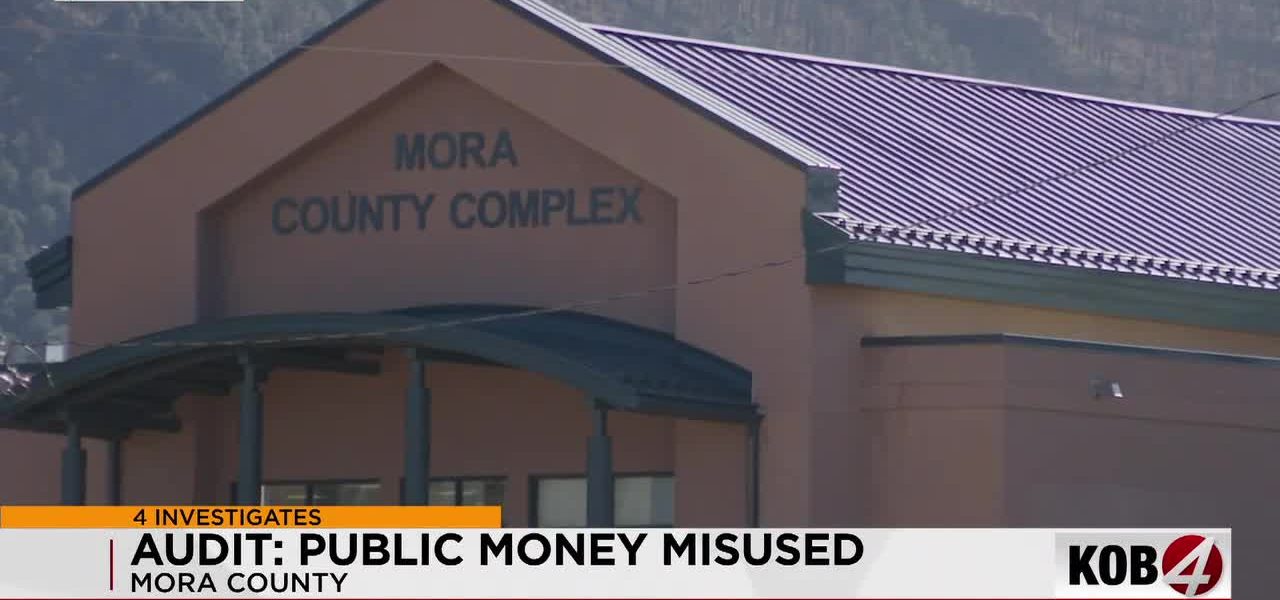
POLICY WIRE — Mora, New Mexico — The chasm between public expectation and bureaucratic reality yawned wide in Mora County, New Mexico, where the recent findings of a state audit illustrate a peculiar fiscal tragedy. It wasn’t outright theft, mind you—a relief, perhaps, to some. But for communities ravaged by a relentless cycle of floods and wildfires, the distinction between ‘missing’ and ‘mishandled’ funds feels less like a technicality and more like a cruel joke, a perverse form of financial dereliction that has left vital recovery projects in tatters.
At its core, the investigation by State Auditor Joseph Maestas peeled back layers of administrative dysfunction, not outright criminality, in the county’s handling of millions earmarked for disaster relief. Residents, already beleaguered by environmental calamity, now contend with the dispiriting revelation that their local government, tasked with their resuscitation, instead engaged in a masterclass of fiscal imprudence. The report meticulously documented widespread mismanagement, a labyrinthine tangle of procedural lapses, and—most glaringly—a fundamental disregard for the mechanisms designed to safeguard public monies.
The headline finding, a bitter pill for many, involved a colossal state-issued, zero-interest loan of $41 million under Senate Bill 6. This lifeline, intended for immediate disaster intervention, wasn’t deployed as decreed. Instead, county officials—in a move that defies common sense, doesn’t it?—opted to squirrel it away in an interest-bearing account. This financial gambit backfired spectacularly: the county then let the deadline for spending the principal lapse, ensuring the entire sum will now revert to the state. And yet, this isn’t even the full extent of the gaffe. Over $3 million in interest generated by these sidelined funds *was* withdrawn, but the audit, sourced directly from the state auditor’s exhaustive review, details a stunning absence of proper record-keeping, tracking, or even documentation for how these windfalls were ultimately disbursed. Some portions, perplexingly, went to vendors entirely unrelated to the county’s dire recovery needs.
“The line isn’t blurred, it’s gone,” State Auditor Joseph Maestas asserted, his words cutting through the usual bureaucratic euphemisms, hinting at profound ethical breaches that transcended mere incompetence. He foreshadowed an ethics commission referral, a serious escalation in what’s already a deeply troubling narrative. And one might assume, perhaps naively, that county officials would greet these revelations with penitence. Not so, apparently. Commission Chairman George Trujillo, specifically cited in the report for overstepping his administrative bounds, didn’t shy away from controversy, instead aiming fire at the auditors’ sources. “The two whistleblowers — and the employee that went to the auditor are good friends with the auditor. That’s why this happening, they’re crybabies,” Trujillo shot back, a dismissive retort that speaks volumes about the perceived culture of accountability—or lack thereof—in Mora County.
Still, the audit’s findings didn’t stop there. An eyebrow-raising $168,359.09 in county funds was funneled into renovating the privately owned Chief Theater, an expenditure the auditors unequivocally deemed “waste and abuse of public funds.” This project, remains unfinished, a ghostly shell of good intentions and questionable budgeting. Procurement violations were endemic, a systemic breakdown that saw purchases split to bypass bidding thresholds, orders issued post-service, and emergency procurement invoked without justifiable cause. Crucially, the county simply failed to maintain adequate financial records, a cornerstone of any accountable administration. High turnover—a staggering twelve county managers cycled through during the audit period—exacerbated the chaos, ensuring institutional memory remained perpetually elusive.
📄 POLICY WIRE WHITEPAPER PUBLISHED: PAKISTAN'S NATIONAL SECURITY POLICY PRIORITIES
👉 READ BY CLICKING HEREBehind the headlines of local fiscal folly lies a universal challenge: ensuring transparent governance and accountability, especially when funds are allocated for recovery from natural calamities. These are not issues exclusive to rural New Mexico; indeed, they resonate across the globe, from the beleaguered parishes of New Orleans to disaster-prone regions in South Asia, where public trust in institutions can be equally fragile and the shadow of corruption often looms large over reconstruction efforts. The lessons from Mora County, then, aren’t just local; they’re a stark reminder of the enduring vigilance required to protect public resources, particularly those intended for the most vulnerable.
What This Means
This audit isn’t merely a bureaucratic scolding; it’s a profound indictment of local governance in Mora County. The immediate fallout will undoubtedly be political, with the upcoming May commission meeting serving as an arena for public outcry and, one hopes, genuine accountability. The political ramifications for figures like Chairman Trujillo and Commissioner Veronica Serna (who maintained, “I did what I thought was best. I voted how I felt was most appropriate for our constituents”) could be substantial, potentially reshaping the county’s leadership. Economically, the reversion of the $41 million loan means lost opportunities for critical infrastructure repair and community rebuilding. It’s a deferred disaster, really, forcing the county back to square one for state relief while public confidence plummets. More broadly, it serves as a cautionary tale for all local governments managing disaster funds: neglect of financial protocols isn’t just poor practice; it’s a betrayal of those who’ve lost everything.