


Dollar Dogs and Diasporic Dreams: Albuquerque Isotopes’ Homestand Unpacks Deeper Civic Currents
POLICY WIRE — ALBUQUERQUE, N.M. — In the grand, often perplexing tapestry of urban existence, the seemingly perfunctory announcement of a minor league baseball homestand can, for the discerning...

POLICY WIRE — ALBUQUERQUE, N.M. — In the grand, often perplexing tapestry of urban existence, the seemingly perfunctory announcement of a minor league baseball homestand can, for the discerning observer, reveal threads far more intricate than discounted frankfurters or post-game pyrotechnics. Here in Albuquerque, where the stark high desert meets a vibrant, layered cultural heritage, the upcoming series for the Isotopes isn’t merely about America’s pastime; it’s a palpable economic pulse, a cultural anchor, and, perhaps, a quiet meditation on community identity in an increasingly globalized world.
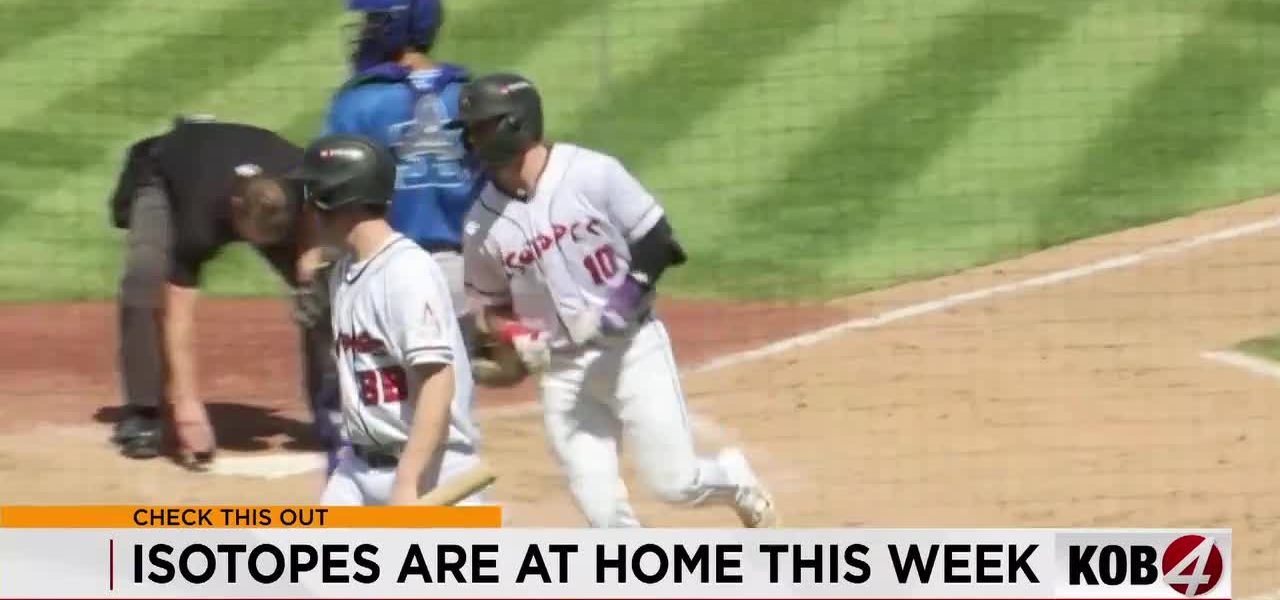
So, the Isotopes — named, of course, for The Simpsons’ Springfield baseball team, itself a wry nod to atomic-era New Mexico — are kicking off a homestand against the El Paso Chihuahuas this Tuesday. But it’s not just baseball. It’s an elaborate, week-long choreography of fan engagement — and fiscal strategy. Dollar Dog Night, Little League promotions, fireworks that briefly illuminate the vast desert sky, and a culminating Mariachis de Nuevo Mexico Day, complete with themed jerseys, aren’t accidents; they’re meticulously planned activations designed to inject vitality into the local economy and affirm a specific civic narrative.
It’s a perennial challenge, keeping the turnstiles clicking, particularly in an era when attention spans are fragmented and entertainment options legion. But minor league baseball, a peculiar blend of professional aspiration and local charm, has always been adept at this granular level of engagement. Its survival often hinges less on athletic prowess — though the Isotopes are currently tied for 1st Place in the Pacific Coast League, a convenient talking point — and more on its ability to market itself as an inextricable part of the community fabric. It’s a delicate balancing act, blending the accessible with the aspirational.
“These events aren’t just about selling tickets; they’re about investing in the social capital of our city,” Mayor Timothy Keller, a seasoned political figure known for his pragmatic approach to urban development, recently shot back during a press briefing on local tourism initiatives. “When families come out, when businesses sponsor nights like these, it reinforces a sense of shared purpose that extends far beyond the seventh-inning stretch. It’s integral to how we define ourselves, how we thrive economically.”
And he isn’t wrong. A 2017 study by the Albuquerque Hispano Chamber of Commerce estimated the Isotopes contribute over $20 million annually to the local economy through direct spending, tourism, and ancillary business opportunities. That’s a consequential sum for a city of just over half a million, where every dollar spent locally echoes through various sectors.
Behind the headlines of slugging percentages and bullpen woes, a more profound drama unfolds: the continuous, sometimes desperate, struggle for relevance in the civic consciousness. General Manager Brad Taylor, a man whose tenure has spanned significant shifts in both demographics and digital distraction, acknowledges this readily. “We’re not just selling baseball; we’re selling an experience, a memory, a reason to gather,” Taylor confessed to this wire service, his voice betraying a hint of the perpetual hustle. “You have to be creative, you have to lean into what makes your community unique. Otherwise, you’re just another blip on the entertainment radar.”
📄 POLICY WIRE WHITEPAPER PUBLISHED: PAKISTAN'S NATIONAL SECURITY POLICY PRIORITIES
👉 READ BY CLICKING HEREStill, the Mariachis de Nuevo Mexico Day offers a particularly potent example of this strategy. It’s an explicit celebration of Hispanic heritage, a demographic cornerstone of New Mexico. This overt embrace of cultural identity, woven into the commercial spectacle of a baseball game, provides a fascinating parallel to how communities globally—from the cricket-mad nations of South Asia to the diaspora communities maintaining traditions abroad—leverage sport and communal gatherings. One could even argue it’s not dissimilar to the fervent, almost spiritual, attachment millions in Pakistan feel for their national cricket teams; a shared passion that transcends the pitch, becoming a profound statement of collective identity and resilience. Here, it’s mariachi music and baseball; there, it’s the thwack of leather on willow – different instruments, perhaps, but the same enduring human impulse to belong and celebrate together (even if it’s at a ballpark with dollar dogs).
What This Means
At its core, this homestand, like so many similar spectacles across minor league America, represents a localized nexus of economics, cultural politics, and community cohesion. For Albuquerque, a city often overshadowed by larger metropolitan hubs, the Isotopes aren’t just a sports team; they’re a brand ambassador, a recurring civic holiday, and a crucial, if often unacknowledged, engine of local pride. The integration of events like Mariachis de Nuevo Mexico Day isn’t merely about diversifying the audience; it’s a strategic affirmation of the city’s identity, acknowledging and celebrating the rich, multi-ethnic tapestry that defines the region. It’s a commercial enterprise, yes, but one that subtly reinforces social bonds, offering a shared experience that cuts across socioeconomic lines. The success or failure of these types of initiatives can be a quiet barometer for a city’s adaptability, its willingness to embrace its heritage while simultaneously pursuing economic vitality. It’s a microcosm of the delicate interplay between profit — and belonging.
The Isotopes’ upcoming series, therefore, transcends the ephemeral thrill of the game itself. It’s a masterclass in local engagement, a continuous effort to craft communal memories in an increasingly atomized society. And for Albuquerque, that’s a home run, regardless of the score.