


The Peril of Perpetual Search: Another Manager Spurns Chelsea’s Overture
POLICY WIRE — London, UK — It wasn’t the thunderous roar of the crowd or the gleaming silverware that defined Chelsea’s week; rather, it was a quiet, unequivocal ‘no.’ From a...

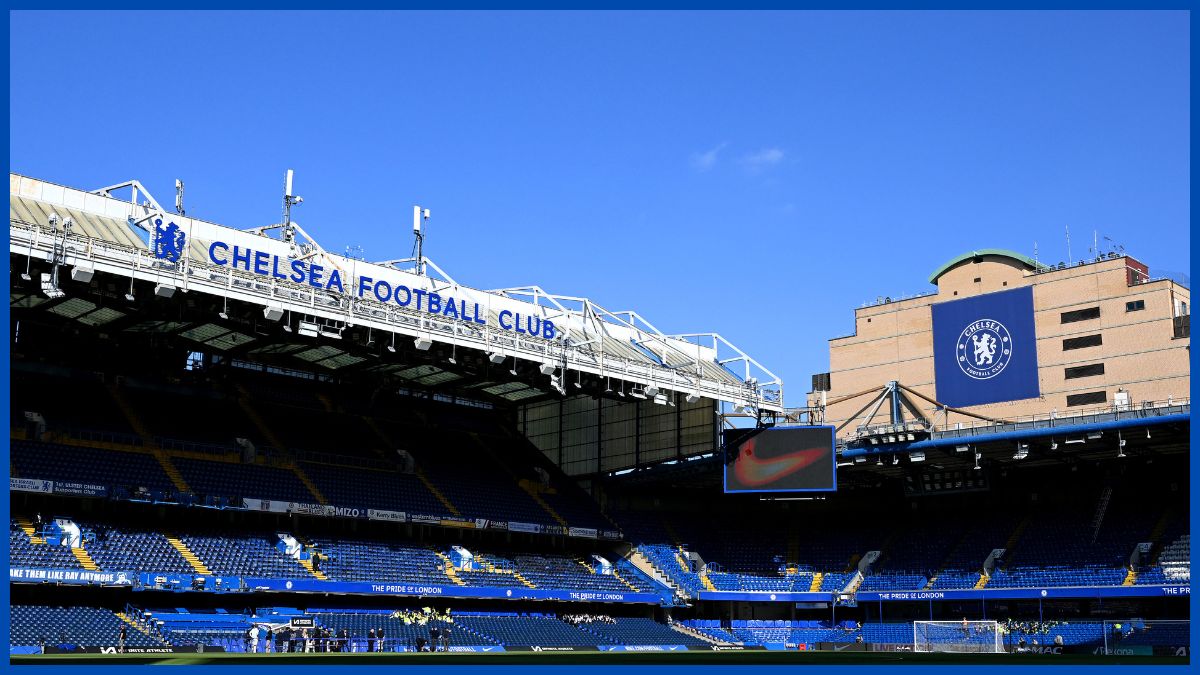
POLICY WIRE — London, UK — It wasn’t the thunderous roar of the crowd or the gleaming silverware that defined Chelsea’s week; rather, it was a quiet, unequivocal ‘no.’ From a managerial prospect, no less. In a footballing landscape where Chelsea’s siren call of immense financial backing and global prestige often proves irresistible, the recent outright refusal by Francesco Farioli to even consider the club’s likely overtures sends a distinctly unnerving signal.
For a club perpetually in pursuit of a stable hand to navigate its tempestuous waters, Farioli’s public declaration of loyalty to FC Porto isn’t just a missed appointment; it’s a policy statement on the perceived instability plaguing Stamford Bridge. They’ve just jettisoned Liam Rosenior, after all, a decision that followed a run of performances so lackluster it prompted whispers of players ‘downing tools’ – a corporate euphemism for a workforce disengaging from its leadership.
And Farioli, a name recently murmured in the hushed corridors of Chelsea’s strategic planning committees, didn’t mince words. Queried directly about a potential move to the Premier League behemoth, even if a robust offer materialised, his response was curt, decisive: "Yeah, absolutely." He’s staying put. For a club that’s become almost synonymous with managerial churn, this public, unambiguous rejection by a coveted target feels less like a minor setback and more like a stark indictment from within the industry.
Still, the club’s hierarchy, ever resilient (or perhaps just practiced), maintains a veneer of calm. "While we naturally explore a wide array of talented individuals globally, our commitment remains unwavering: to secure a visionary leader aligned with Chelsea’s long-term strategic objectives and formidable winning heritage," asserted Todd Boehly, co-owner of Chelsea FC, responding to inquiries about the recent managerial developments. It’s the kind of boilerplate statement that does little to quell anxieties among the club’s vast, international fanbase.
But the reverberations extend far beyond West London. This constant churn doesn’t just affect season ticket holders; it reverberates across continents. In Karachi, Dhaka, or Dubai, where Chelsea boasts some of its most fervent, digitally-connected fan bases, the narrative of managerial musical chairs fosters a pervasive sense of strategic drift. These aren’t just consumers of sport; they’re brand advocates whose loyalty can be tested by perceived chaos at the helm. The club’s ability to capitalize on emerging markets, particularly within the affluent Gulf states or the vast populations of South Asia, is subtly undermined when managerial stability becomes a punchline.
Indeed, the club has cycled through *six* permanent managers in the past five years alone, a stark contrast to the relative stability enjoyed by European rivals and a figure that underscores a broader governance challenge, according to a recent analysis by football consultancy OptaPro. That’s more than Manchester United and Arsenal combined in the same period, suggesting a systemic rather than episodic issue.
Meanwhile, across the continent, Farioli’s current employers are basking in the reflected glow of his steadfastness. "Francesco’s resolute dedication to our project here at Porto is a testament to the stability and ambitious trajectory we’ve meticulously cultivated," declared Jorge Nuno Pinto da Costa, the venerable President of FC Porto. "It’s clear some clubs, despite their considerable resources, simply can’t offer the same profound sense of purpose and coherent vision." A thinly veiled barb, perhaps, but one that resonates with an increasingly discerning managerial class.
The immediate aftermath of Rosenior’s departure saw a temporary uptick in morale, exemplified by a 1-0 FA Cup triumph over Leeds United. Goalkeeper Robert Sanchez, lauded by interim staff for his crucial saves, offered a momentary distraction from the managerial vacuum. "Sanchez’s heroics were massive yesterday; they unlocked Leeds," noted interim coach Callum McFarlane, highlighting the strategic importance of individual performances even amidst collective uncertainty. But temporary highs don’t erase underlying structural issues.
What This Means
At its core, Farioli’s rejection isn’t merely a footnote in Chelsea’s relentless pursuit of a new boss; it’s a symptom of deeper institutional malaise. This managerial merry-go-round signals to the broader market — not just football, but corporate governance and investment — a club struggling to define, let alone commit to, a long-term strategic vision. It suggests that even the allure of boundless capital can’t compensate for a perceived lack of operational coherence and patient leadership. This instability can deter not only top-tier coaching talent but also savvy investors who scrutinize a club’s governance before committing significant funds. For a global brand like Chelsea, reputation is currency, — and repeated managerial upheavals erode that. It creates a ‘queens quagmire’ of faltering investment and public trust, where even on-field successes struggle to mask underlying anxieties. in an era where data-driven analysis informs every decision, a history of rapid firings points to a failure in predictive talent identification, making future decisions appear less strategic and more reactive. It also underlines a broader trend where managers, particularly those with a clear project in mind, are increasingly prioritizing stability and autonomy over immediate financial gain or the fleeting glamour of a "super club" that demands instant gratification. The perceived perils of premature returns on investment, whether in players or managers, are becoming clearer across the sport.