

The Grim Paradox: Escalating Carnage Meets Zelenskyy’s Persistent Plea for Dialogue
POLICY WIRE — Kyiv, Ukraine — The relentless percussion of war in Ukraine, a grim, rhythmic beat of destruction and retribution, continued unabated this week, rendering any diplomatic overture a...

POLICY WIRE — Kyiv, Ukraine — The relentless percussion of war in Ukraine, a grim, rhythmic beat of destruction and retribution, continued unabated this week, rendering any diplomatic overture a jarring counterpoint. While missile barrages and drone incursions across both sides claimed dozens of lives and left scores wounded, President Volodymyr Zelenskyy once more — almost ritualistically, it seems — implored for a resumption of peace talks. It’s a bewildering tableau, isn’t it? A leader asking for dialogue even as the very ground beneath his nation trembles from incoming ordnance.
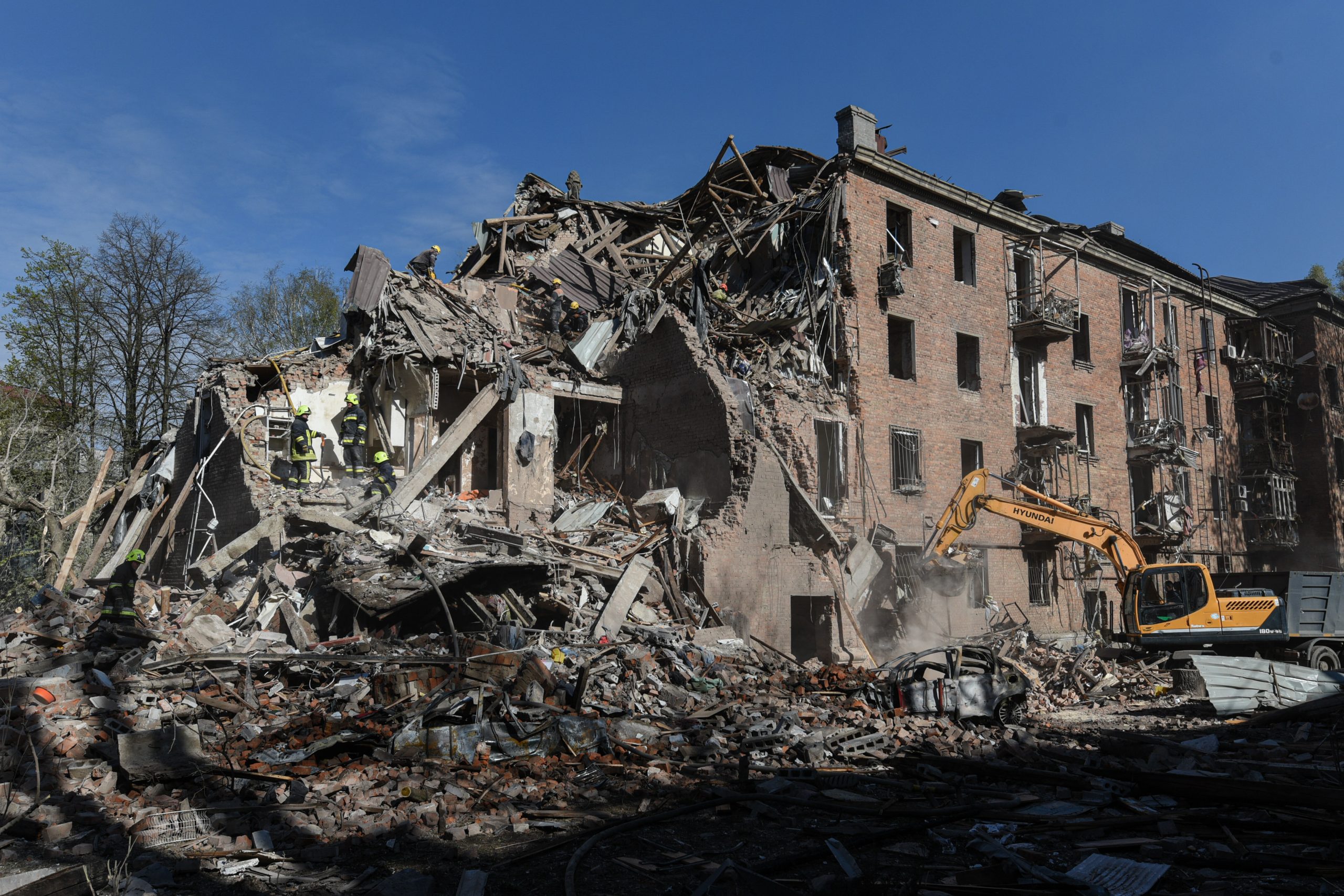
Ukrainian military officials, their pronouncements often tinged with weary resolve, detailed a fresh wave of aerial assaults. Cities like Kharkiv and Odesa bore the brunt, enduring what local authorities described as a “deliberate campaign of terror” targeting civilian infrastructure. Residential blocks became rubble, hospitals strained, and the quotidian rhythm of life shattered into shards of glass and grief. Russia, for its part, asserted these were “retaliatory strikes” against Ukrainian border regions, claiming Kyiv’s forces had escalated their own cross-border forays. The mutual recriminations form a macabre duet, each note a casualty report.
But amidst this spiraling violence, Zelenskyy’s voice, often amplified across global airwaves, cut through the din. He underscored the indispensable role of negotiation, even when it feels like shouting into a tempest. “We cannot simply allow the bloodshed to define our future,” he opined in a recent address, his tone reflecting a profound, almost tragic, conviction. “Dialogue, however painful, remains the only true path to a just — and lasting peace. Our resolve to defend our sovereignty is absolute, but so too is our commitment to prevent further catastrophic loss.” It’s a sentiment born of desperation, certainly, but also of a strategic imperative: war, ultimately, must yield to diplomacy, no matter how remote that prospect might seem on any given day.
Still, the Kremlin’s response to such pleas typically follows a well-worn script. A spokesperson for Russia’s Ministry of Foreign Affairs, Maria Zakharova, shot back with customary acerbity. “Kyiv’s pronouncements on ‘talks’ are performative posturing, devoid of genuine intent to address the security concerns that necessitated our special military operation,” she asserted, dismissing the Ukrainian president’s appeal as mere theatrics. “The objectives will be achieved, regardless of these theatrical overtures.” The message is clear: Moscow continues to perceive the conflict not as a war to end, but a mission to conclude on its own terms, rendering any immediate prospect of meaningful engagement perilously thin.
The human cost of this deadlock is, of course, staggering. According to the UN Human Rights Monitoring Mission in Ukraine, over 10,000 civilian deaths have been recorded since the full-scale invasion began, a stark testament to the conflict’s ceaseless appetite for human life. And that figure, experts caution, is likely a severe undercount. These aren’t just numbers; they’re lives extinguished, families shattered, — and a generation scarred.
Beyond the immediate borders of Eastern Europe, the ripple effects continue to reverberate, touching distant shores with unsettling consistency. The protracted conflict, particularly its impact on global energy markets and food security, resonates acutely in developing nations. Pakistan, for instance — a nation already grappling with its own intricate economic woes, from inflation to a precarious balance of payments — isn’t immune. Increased global uncertainty translates directly into higher import bills for crucial commodities like oil and wheat, exacerbating inflationary pressures and potentially fueling domestic instability. This external turbulence forces leaders in Islamabad (and beyond) into a delicate diplomatic dance, balancing economic needs with geopolitical alignment. It underscores how even distant wars cast long, unwelcome shadows, disrupting everything from trade routes to Asia’s fraying wires of regional stability.
And what of the international community? Their collective frustration is palpable. Sustained diplomatic efforts from Western capitals often meet the intractable wall of Russian intransigence, or the understandable Ukrainian insistence on territorial integrity. Still, the calls for de-escalation persist, albeit with an ever-diminishing belief that they’ll be heeded immediately. It’s a cycle that feels, at times, tragically inescapable.
What This Means
At its core, the persistent duality of escalating violence coupled with repeated calls for negotiation reflects a profound strategic stalemate, not merely a tactical one. Politically, Zelenskyy’s continued emphasis on talks, even amidst fierce fighting, serves multiple purposes. Internally, it projects a leadership committed to peace while simultaneously galvanizing national defense. Externally, it maintains moral high ground and exerts pressure on allies to sustain support, framing Ukraine as the victim seeking a resolution, not merely a belligerent. Moscow, conversely, uses its hardline stance to signal resolve and to undermine the legitimacy of Kyiv’s government, suggesting that Ukraine is merely a proxy unwilling to negotiate “realistically.” This diplomatic theatre, however grim, is a critical component of the broader war effort.
Economically, the grinding attrition warfare guarantees continued instability in global commodity markets. Energy prices, already volatile, remain susceptible to further disruption, impacting everything from European heating bills to the cost of transport in Karachi. Food supplies, particularly grains from the Black Sea region, face persistent threats, exacerbating food insecurity in vulnerable nations and driving inflationary spikes worldwide. the immense financial burden of reconstruction for Ukraine, coupled with the ongoing costs of Western military aid, will represent a significant long-term strain on global fiscal resources. The current pattern suggests no immediate relief; rather, it foreshadows a prolonged period of geopolitical and economic uncertainty, a situation that only complicates other regional crises, much like the Sahel’s shifting sands.