

Canada’s Ephemeral Iron Horse: A Wilderness Odyssey of Scarcity and Splendor
POLICY WIRE — Ottawa, Canada — The audacious whisper from the Canadian Rockies isn’t of a new peak scaled, but of an iron horse, gleaming and temporary, ready to thread its way through some of...

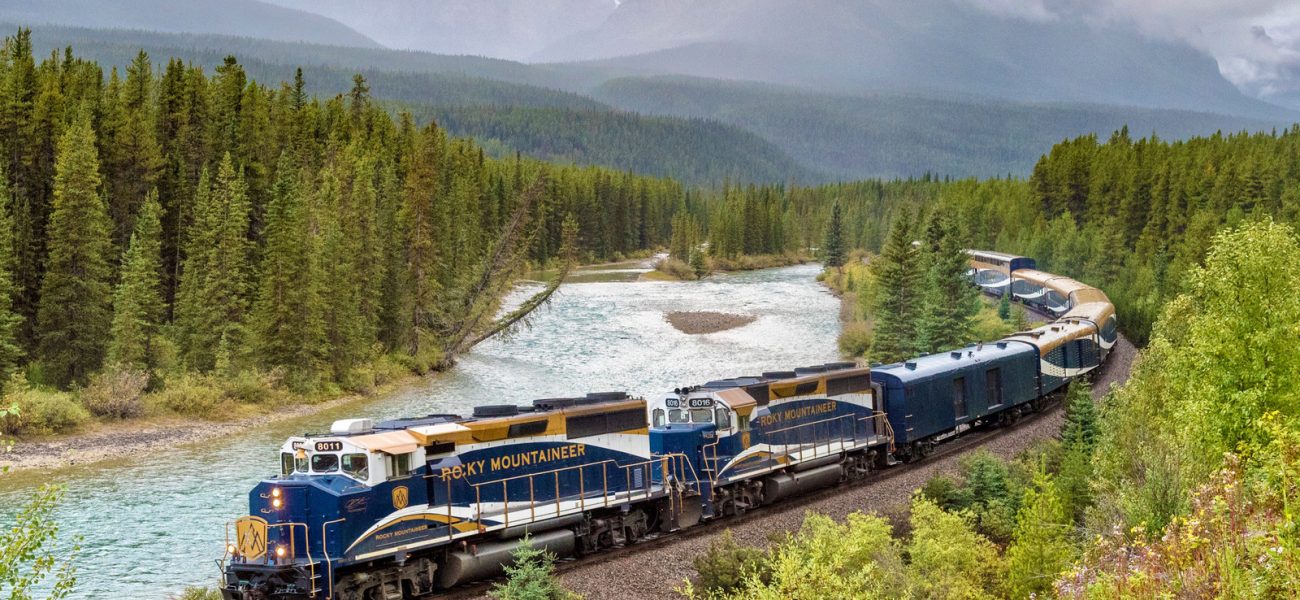
POLICY WIRE — Ottawa, Canada — The audacious whisper from the Canadian Rockies isn’t of a new peak scaled, but of an iron horse, gleaming and temporary, ready to thread its way through some of the nation’s most hallowed natural sanctuaries. It’s not just a train ride; it’s a meticulously choreographed ballet between pristine wilderness and high-end tourism, offered for a mere summer — a fleeting, almost defiant gesture in an era begging for sustainable travel, yet simultaneously ravenous for unparalleled experiences.
Behind the glittering brochures — and promises of panoramic vistas lies a strategic gambit by Canada’s tourism sector. This novel offering, christened the ‘Continental Crown Express,’ isn’t designed for the casual sightseer. It’s a bespoke, ultra-luxury rail service, set to navigate the breathtaking corridors of Banff, Jasper, and Yoho National Parks — a triumvirate of UNESCO World Heritage Sites — but only during the 2026 summer season. And then, it’s gone. This exclusivity, industry observers contend, isn’t an oversight; it’s the fulcrum of its allure, a deliberate scarcity intended to amplify demand and burnish Canada’s image as a destination of discerning taste (and deep pockets).
Still, the environmental tightrope walk here is palpable. Introducing such an operation, even for a limited run, within ecosystems as delicate as these national parks invariably raises hackles. But proponents argue it’s a controlled experiment in high-value, low-impact tourism. The train, an electric-hybrid marvel, boasts a purported 40% reduction in carbon emissions compared to conventional rail, an engineering feat crucial to securing environmental endorsements. Its limited capacity — a mere 120 passengers per journey — underscores the ethos of exclusivity and minimal footprint.
But the calculus isn’t solely environmental; it’s profoundly economic. “We’re not just selling a ticket; we’re curating an irreplaceable memory,” averred Mr. Julian Vance, CEO of Aurora Expeditions Rail, the consortium spearheading the venture. “This isn’t about mass tourism; it’s about showcasing Canada’s natural patrimony to a global clientele willing to invest in truly unique, conservation-conscious experiences. Think of it as a soft-power projection on rails.” His firm, you see, is betting big on the ‘once-in-a-lifetime’ factor.
And that investment, according to internal projections, is substantial. Parks Canada, which stands to gain directly from park fees and concession levies, recorded nearly C$1.5 billion in economic activity generated by its national parks in 2022 alone, supporting over 24,000 jobs. This new route, while niche, promises to inject a concentrated surge of high-yield tourism revenue into the regional economies, albeit temporarily.
The global reverberations are also worth considering. While the Canadian Rockies might seem a world away from the Karakoram, the underlying policy challenge of balancing economic development with ecological preservation resonates deeply across diverse landscapes. From the pristine northern valleys of Pakistan, where nascent ecotourism initiatives grapple with infrastructure and conservation, to the ambitious tourism drives across South Asia and the broader Muslim world, the tension between economic aspiration and environmental integrity remains a constant. It’s a dynamic requiring credible bridges between policy, industry, and local communities — a blueprint Canada’s fleeting rail adventure might, inadvertently, help refine.
“Our national parks aren’t just backdrops for luxury travel; they’re living, breathing testaments to our commitment to conservation,” shot back Hon. Eliza Thorne, Canada’s Minister of Environment — and Climate Change, in a recent press briefing. “This initiative, precisely because of its finite nature and stringent environmental protocols, represents a potential model for high-value, low-volume tourism that respects ecological boundaries. It’s a delicate balance, one we’re constantly re-evaluating, not just for domestic enjoyment but for global appreciation.” She wasn’t wrong; the stakes here are higher than just a fancy train ticket.
📄 POLICY WIRE WHITEPAPER PUBLISHED: PAKISTAN'S NATIONAL SECURITY POLICY PRIORITIES
👉 READ BY CLICKING HERESo, for those dreaming of an unparalleled journey through untamed Canadian majesty, the window is narrow. It’s a testament to the insatiable human desire for exclusivity — and for those who miss out, a reminder that some international aspirations remain stubbornly out of reach, or at least, exquisitely time-sensitive.
What This Means
This ephemeral luxury rail journey through Canada’s national parks isn’t merely a travel product; it’s a strategic policy move fraught with implications. Economically, it signifies a pivot towards high-yield, niche tourism, recognizing that while mass tourism brings volume, it often strains infrastructure and environment. By limiting availability to a single summer season, Canada isn’t just creating buzz; it’s testing the market for hyper-exclusive experiences and assessing their concentrated economic benefits against localized environmental impacts. It’s a calculated risk, aiming for maximum PR — and revenue with minimal long-term ecological disruption.
Politically, the initiative navigates the fraught intersection of conservation — and commercialism. The government, through Minister Thorne’s statements, seeks to frame it as a responsible, innovative approach to showcasing national treasures, leveraging advanced, lower-emission technology. But critics will undoubtedly scrutinize the ‘experimental’ nature, questioning whether even a temporary intrusion sets a precedent for further commercialization of protected lands. The decision to make it fleeting could be interpreted as a concession to environmental lobbies or a clever marketing ploy to create urgency and value. It’s probably a bit of both.
Globally, this venture positions Canada at the apex of luxury ecotourism. It broadcasts a message: its wilderness is precious, and accessing it comes at a premium — both financial and environmental. Other nations, particularly those with burgeoning tourism sectors — and fragile ecosystems, will be watching closely. Could this model of high-value, time-limited, environmentally conscious luxury travel become a template for developing sustainable tourism in regions like the Himalayas or the African savannas? The ‘Continental Crown Express’ might just be a train, but its tracks could lay down a challenging new paradigm for balancing unparalleled experiences with planetary stewardship.