


The Quiet Unraveling: Campus Tragedy Exposes Fractured Dreams for Global Scholars
POLICY WIRE — Tampa, Florida — The American dream, for many, remains an elusive, shimmering mirage. But for scores of ambitious young minds from distant shores, it often takes the concrete form of a...

POLICY WIRE — Tampa, Florida — The American dream, for many, remains an elusive, shimmering mirage. But for scores of ambitious young minds from distant shores, it often takes the concrete form of a university ID, a shared apartment, and the relentless pursuit of a PhD. It’s a journey fraught with sacrifice, expectation, — and often, profound vulnerability. This idealized trajectory, however, shattered into a brutal reality this week in Tampa, Florida, for two such dreamers, Zamil Limon and Nahida Bristy, both brilliant Bangladeshi doctoral candidates whose lives were inexplicably, and violently, cut short.
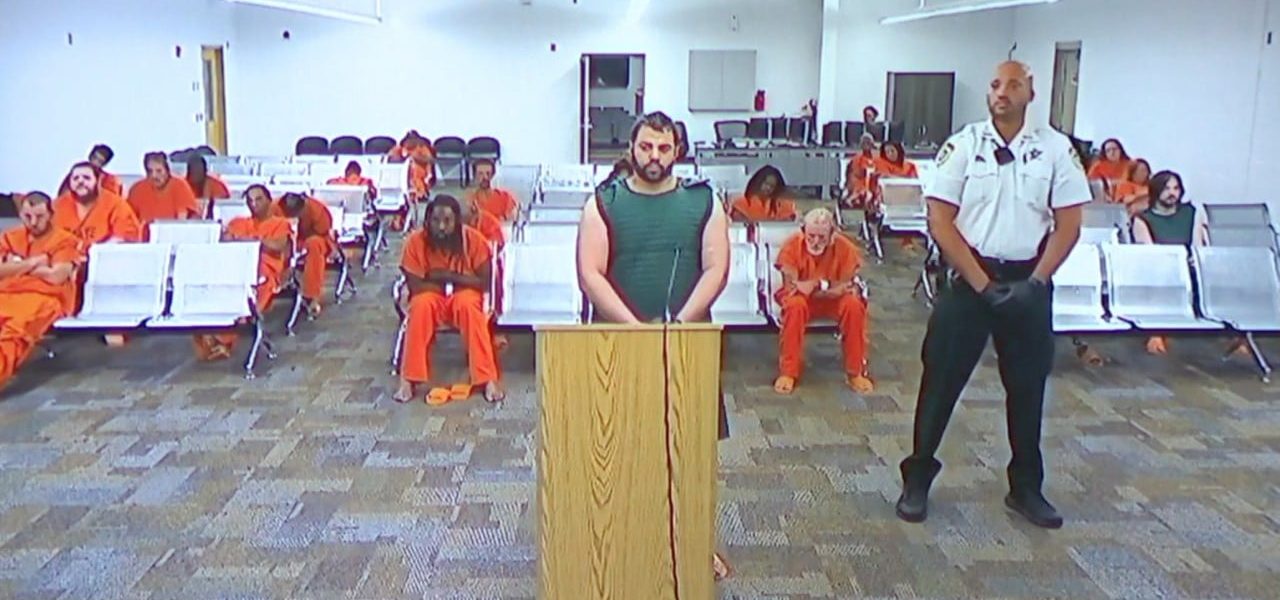
It wasn’t a grand geopolitical machination that ended their promise, nor a random act of street violence. Instead, the narrative twists inward, focusing on a figure intimately connected to their daily existence: their former roommate. Hisham Abugharbieh, 26, a fellow former student at the University of South Florida (USF), now faces two counts of premeditated first-degree murder. This isn’t just a grim statistic; it’s a chilling reminder that even within the perceived sanctuary of academia, the personal can turn profoundly, irreversibly political.
Limon — and Bristy, young scholars steeped in the exacting disciplines of their fields, disappeared earlier this month. Their absence, initially a cause for concern, quickly transmuted into outright dread. And rightly so. The Hillsborough County Sheriff’s Office moved with an unsettling alacrity once the pieces began to coalesce, indicting Abugharbieh in a case that has sent ripples of disquiet far beyond the palm-lined avenues of USF’s campus, reaching into the very heart of Bangladesh and its vast, global diaspora.
At its core, this tragedy lays bare the often-overlooked fragility of international student life. They arrive, often with immense familial pressure — and depleted savings, seeking knowledge and opportunity. They navigate cultural chasms, language barriers (even for English speakers, idiomatic subtleties can be a minefield), and an immigration system that can feel Kafkaesque. The notion of safety, then, isn’t just a comfort; it’s a fundamental pillar of their audacious gamble. When that pillar crumbles, the reverberations are profound.
“We’re profoundly heartbroken by the senseless loss of Zamil and Nahida, brilliant minds whose potential was tragically cut short,” opined Dr. Eleanor Vance, Provost for Academic Affairs at the University of South Florida, her voice likely strained by the weight of public responsibility. “Our focus remains on supporting our community and ensuring the safety that every student, domestic or international, deserves on our campus.” It’s a standard institutional lament, certainly, but one tinged with the stark reality of institutional failure to predict, if not prevent, such intimate horrors.
Still, the anguish extends beyond the immediate university perimeter. For the Bangladeshi community, and indeed the broader South Asian and Muslim diasporas, this incident isn’t an isolated American crime; it’s a searing blow. “This isn’t merely a local crime; it’s a wound felt deeply across our nation,” shot back Ambassador Israt Jahan, Consul General of Bangladesh in Miami, reflecting the collective agony. “Our young people venture abroad for education, carrying the hopes of their families, only to face such inexplicable violence. We expect a thorough investigation and justice for our cherished students.” Her words underscore a deeper diplomatic tension – the implicit promise of safety when encouraging citizens to study abroad.
📄 POLICY WIRE WHITEPAPER PUBLISHED: PAKISTAN'S NATIONAL SECURITY POLICY PRIORITIES
👉 READ BY CLICKING HEREThe numbers themselves tell a story of immense value. According to data from the Institute of International Education, international students contributed an estimated $40.1 billion to the U.S. economy during the 2022-2023 academic year, supporting over 368,000 jobs. They’re not just students; they’re economic engines, cultural bridges, — and future leaders. And when their lives are extinguished under such grim circumstances, it’s not merely a personal loss but a systemic void, a forfeiture of intellectual capital that won’t easily be replaced.
Behind the headlines, this incident also touches on a latent apprehension within Muslim communities globally, particularly for those whose names or backgrounds might render them subtly ‘othered’ in certain Western contexts. While the motive remains opaque – a common problem in such intensely personal crimes – the involvement of individuals from similar (though distinct) cultural backgrounds within a Western academic setting often sparks a complex, internal dialogue about identity, integration, and vulnerability. It’s a nuanced discussion that rarely surfaces in mainstream reports, unfortunately. Such incidents, even when purely criminal, inevitably get filtered through lenses of geopolitical anxieties and societal perceptions, much like how municipal elections in the West Bank become proxy battles for larger ideological conflicts.
What This Means
The tragedy at USF carries implications far beyond the grim specifics of a murder investigation. Politically, it will inevitably prompt renewed scrutiny of campus security protocols and support systems for international students, particularly regarding roommate assignments and conflict resolution. Universities, often seen as bastions of safety and open inquiry, now grapple with the stark reality that the most severe threats can emerge from within their own residential communities. Economically, while one incident won’t deter the overall flow of international students (given the sheer volume and global demand for U.S. education), it undoubtedly fuels anxiety among prospective applicants — and their families. This might translate into increased demand for institutional assurances regarding safety, potentially influencing application trends from certain regions if not adequately addressed.
the incident strains diplomatic relations, compelling the Bangladeshi government, like any nation, to demand transparent and swift justice for its citizens abroad. This isn’t just about crime; it’s about the perceived protection — or lack thereof — extended to one’s populace in foreign lands. The narrative of shattered dreams, of bright futures irrevocably dimmed, casts a long shadow over the enduring allure of American higher education. It’s a sobering reminder that for all the policy papers and economic analyses, the human cost of negligence, or even just random, proximity-driven violence, remains agonizingly real and acutely felt.