


Petty Theft, Brutal Consequence: Hobbs Man Jailed for Liquor Store Shooting
POLICY WIRE — Hobbs, New Mexico — A picayune misstep — seeking a bottle of liquor valued at perhaps a few dozen dollars, quite the bargain considering the ensuing prison term — nosedived into a...

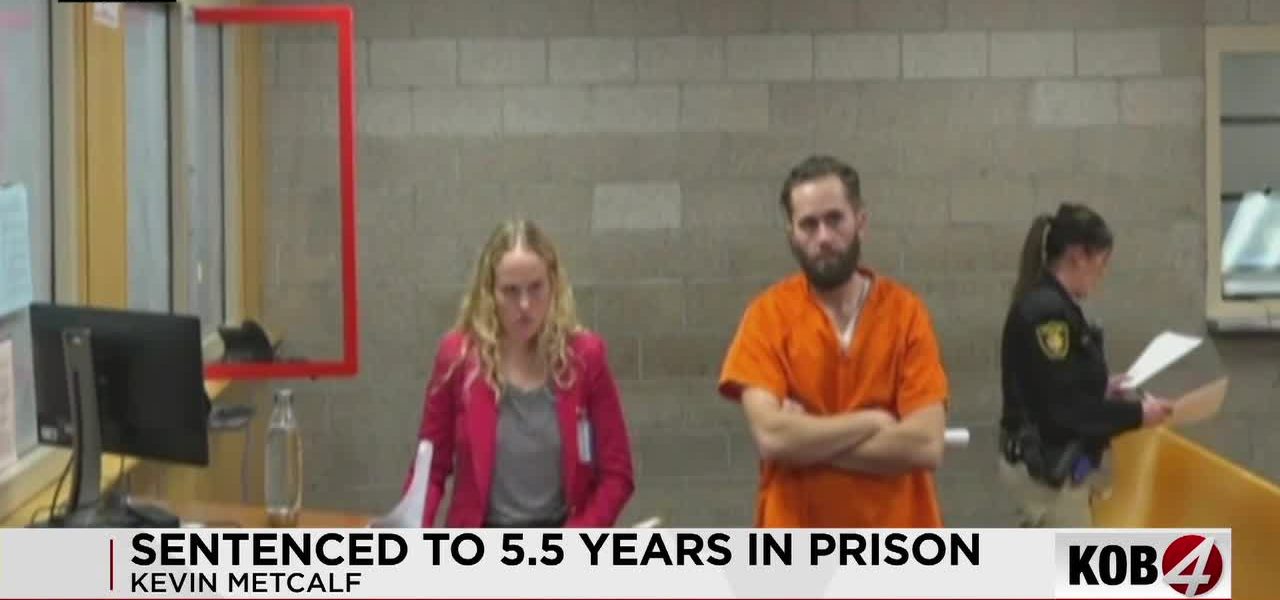
POLICY WIRE — Hobbs, New Mexico — A picayune misstep — seeking a bottle of liquor valued at perhaps a few dozen dollars, quite the bargain considering the ensuing prison term — nosedived into a cataclysmic eruption of gun violence and has now doomed a Hobbs man to more than half a decade behind federal bars.
The sentence handed down this week to Kevin Metcalf — five and a half years in prison, followed by three years of supervised release — serves as a blunt admonition of that razor-thin line; it’s a frontier separating petty crime from grave consequences. Grave consequences, indeed, for communities wrestling with stubborn quandaries.
Few details were spared in the courtroom, painting a vivid picture of an attempted theft at El Rey Liquors that detonated into violence. Metcalf, a felon — you know, not supposed to have guns — allegedly tried to snatch alcohol. When an employee confronted him, he didn’t just flee; he shot the worker in the leg. Just like that. That’s a monumental pivot from a misdemeanor into a felony carrying serious federal weight.
For many, it’s an incident that concretizes the daily anxieties faced by small business owners. Behind the headlines, there’s the lingering trauma, the financial hit, and the gnawing away of a sense of safety in what ought to be routine commerce.
“Our mandate is clear: protect our citizens and enforce the law,” asserted District Attorney Dianne Morales, speaking hypothetically but reflecting the local judiciary’s tough stance on gun crime. “When a simple theft escalates to gun violence, it doesn’t just impact the victim; it shatters the sense of security for every small business owner in this state. The sentence reflects the gravity of that breach of public trust.”
And that matters, especially in places like Hobbs, a city that’s often seen as the economic engine of southeastern New Mexico, yet still battles its share of societal woes. Make no mistake, incidents like these ricochet far beyond the immediate victim — and perpetrator.
The scene – a small, independent liquor store, a shopkeeper confronting a thief – isn’t merely an unfamiliar narrative globally; it’s a painfully familiar trope, a kind of dark aria echoing from the bustling bazaars of Karachi, Pakistan, where small-time vendors often face daily threats to their livelihoods, all the way to corner shops run by immigrant families in major Western cities. These establishments are frequently the heartbeat of local economies. And yet, they’re often unsettlingly susceptible to such brazen acts. The ripple effect of an incident in Hobbs mirrors the fear and frustration felt by countless small business owners worldwide, many of whom are first or second-generation immigrants, simply trying to etch out an existence and contribute to their new homes.
Indeed, New Mexico has doggedly contended with higher violent crime rates compared to the national average. Federal Bureau of Investigation (FBI) data, for example, routinely places the state among those with spiked numbers of aggravated assaults, many involving firearms. It’s a state that frequently grapples with resource allocation — from combating the persistent threat of wildfires to managing its vital water supplies (a perpetual headache, mind you) — before this latest incident even thickens the narrative’s stew. Related: Albuquerque’s Dry Season Battle: City Ramps Up Wildfire Defenses Amidst Climate Shifts
📄 POLICY WIRE WHITEPAPER PUBLISHED: PAKISTAN'S NATIONAL SECURITY POLICY PRIORITIES
👉 READ BY CLICKING HEREWhat This Means
So, the sentencing of Kevin Metcalf isn’t just another tick in the ledger of justice; it’s a window into the ongoing policy debates surrounding crime, gun control, and economic stability in smaller American cities. Politically, it bolsters the stance of those advocating for stricter enforcement and longer sentences for gun-related offenses, even when the underlying crime is non-violent in its initial intent. It also highlights the stubborn scourge of felons obtaining and using firearms, a persistent challenge for law enforcement and a constant source of legislative contention.
Economically, such incidents breed a climate of fear that can guzzle local entrepreneurship’s oxygen. Who wants to invest in a business or work late shifts if the threat of violence looms large? This specific case could contribute to increased insurance costs for businesses, or even prompt some owners to reconsider their operations, especially in areas already struggling. The long-term impact on the retail sector in towns like Hobbs could be tangible, as businesses weigh the costs of security against their already slim margins.
“This isn’t just about one man’s sentence; it’s about a deeper malaise,” observed Dr. Elena Rodriguez, a sociologist specializing in urban crime patterns at the University of New Mexico. “When desperation meets easy access to firearms, our neighborhoods pay the price. We’ve got to ask ourselves, as a society, what’s truly driving these tragic choices, and how do we interrupt that cycle before more lives are irrevocably altered?”
But her point is well-taken. The Metcalf case isn’t an aberration; it’s a tell-tale pustule. It reflects the harsh reality that for individuals like Metcalf, a criminal record often acts as a carousel of recidivism, making legal employment difficult and pushing some back towards shadowy enterprises. Unless broader societal issues of poverty, lack of opportunity, and mental health support are addressed concurrently with law enforcement efforts, the cycle of crime, however petty its origin, is likely to continue devouring lives.
The instantaneous upshot is clear: Metcalf will serve his time. But the deeper, more complex questions about how to prevent such incidents, protect communities, and offer tenable pathways to those on the fringes of society? Those remain.