

Jets Prioritize Immediate Pass Rush, Bypass Versatile Prospect in High-Stakes Draft
POLICY WIRE — Pittsburgh, USA — When the clock stopped ticking for the New York Jets at the second overall pick in the 2026 NFL Draft, they didn’t just snag a player; they issued a bold...

POLICY WIRE — Pittsburgh, USA — When the clock stopped ticking for the New York Jets at the second overall pick in the 2026 NFL Draft, they didn’t just snag a player; they issued a bold declaration about job security, immediate exigencies, and a calculated gamble on a known quantity.
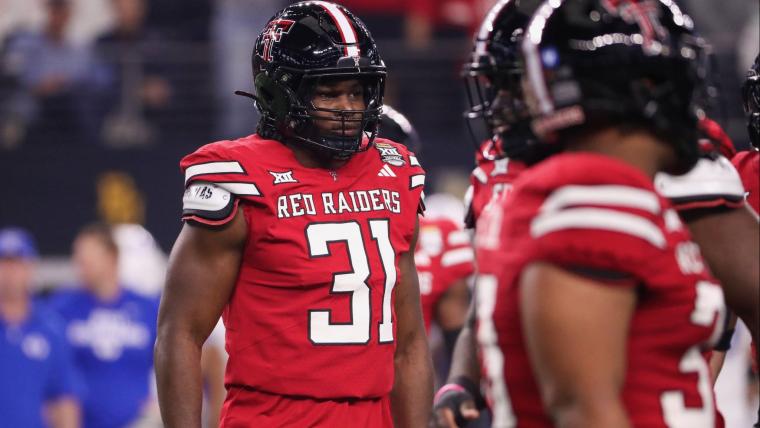
Few expected the Jets to bypass the much-vaunted linebacker, Arvell Reese, out of Ohio State, a player lionized for his rare versatility. But that’s precisely what transpired. Instead, the team flummoxed many by grabbing Texas Tech edge rusher David Bailey, heralding a clear, if somewhat conservative, shift in their strategic priorities.
Make no mistake, the decision wasn’t made in a vacuum. It mirrored the white-hot seat under both Head Coach Aaron Glenn and General Manager Darren Mougey. Their tenure has seen flashes of potential, yes, but not the enduring success exacted by the notoriously impatient New York market. A real pressure cooker, isn’t it?
“We looked at every scenario, every talent matrix imaginable,” Darren Mougey told reporters shortly after the pick. “Ultimately, we had to tackle a gaping, incontrovertible deficiency with a proven, impactful solution. David brings that immediate pass-rush presence we desperately need.”
And he’s not wrong. Stark math. Last season, the Jets ranked near the bottom of the league, logging a dismal 26 sacks, according to an analysis by Pro Football Focus. That figure simply isn’t up to snuff for a team with playoff aspirations. Not good enough.
The ‘Safe’ Bet Pays Off?
Bailey’s collegiate numbers resonate profoundly. He racked up 14.5 sacks last season alone for the Red Raiders, an unmistakable testament to his prowess at getting to the quarterback. Reese, by comparison, tallied 6.5 sacks for Ohio State, showcasing his diverse skill set but perhaps wanting that singular, dominant trait the Jets craved in a top-two pick.
Still, the choice kindled a conflagration of debate among pundits. Was it simply about buttressing the defensive line, or a symptom of a front office playing it safe when a higher-upside, if riskier, pick was available (a decision that had some scratching their heads)? Aaron Glenn, ever the pragmatist, downplayed the ‘safe’ narrative, sounding as if he’d heard it all before.
“Every pick is a risk, but some risks are more calculated,” Glenn stated in a post-draft press conference. “We weren’t just drafting a player; we were drafting a solution. David Bailey is a solution to an albatross that’s plagued us. We believe he can be a dominant force from Day 1.”
It’s a familiar refrain in the cutthroat world of professional sports. Coaches and GMs, their jobs often on the line like high-wire acts with no safety net, frequently gravitate towards prospects who offer an immediate, tangible impact. This isn’t unique to American football either; you see it in European football transfers, in cricket selections – the pressure to produce now often outweighs the allure of long-term development.
📄 POLICY WIRE WHITEPAPER PUBLISHED: PAKISTAN'S NATIONAL SECURITY POLICY PRIORITIES
👉 READ BY CLICKING HEREEven halfway across the globe, the intricacies of the NFL Draft draw considerable attention — an unexpected ripple in a pond, if you will. “From Karachi to Kolkata, sports enthusiasts follow these monumental decisions,” remarked Dr. Sana Malik, a prominent sports analyst based in Islamabad, Pakistan, known for her global sports commentary. “While American football isn’t mainstream here, the drama of a high-stakes draft, where careers and franchise fortunes hang in the balance, resonates universally. The ‘safe’ versus ‘potential’ debate isn’t just an NFL phenomenon; it’s a human one, playing out in boardrooms and locker rooms worldwide.” Her observation underscores the broadening appeal of the league, and the fact that its strategic shifts aren’t lost on an increasingly interconnected global audience.
Related: 2026 NFL Draft: High Stakes and Unseen Pressures Shape Franchise Fortunes
The Jets’ pick reflects a larger trend in high-pressure NFL environments: target the most glaring deficiency with the most proven commodity available. Reese’s versatility might make him a perennial Pro Bowler, but Bailey’s ability to collapse the pocket *right now* could very well keep Glenn and Mougey employed past 2026. Or maybe it won’t. Who knows?
What This Means
This selection goes beyond simply adding another player to the roster; it’s a foundational choice that could redefine the Jets’ defensive identity for years to come. By prioritizing an elite pass rusher at number two, New York’s front office has explicitly stated that their most critical need is quarterback pressure, and they’re betting that Bailey delivers immediately.
But there’s an inherent risk in such a ‘safe’ play. The upside of a truly versatile player like Arvell Reese – someone who can drop into coverage, blitz, and defend against the run – often offers more long-term strategic flexibility. Did the Jets sacrifice that elasticity for a quick fix, a comfortable old shoe rather than a daring new pair of wings?
For Glenn — and Mougey, this pick represents a do-or-die moment. If Bailey doesn’t perform up to expectations, the criticisms about passing on a multi-faceted talent like Reese will only intensify. Conversely, if he transforms their anemic pass rush, they’ll be lauded for their decisiveness under pressure. The next few seasons will serve as a stark referendum on this critical draft decision.
One prominent NFL scout, speaking anonymously due to league policy, encapsulated the sentiment perfectly: “This wasn’t about who was the ‘better’ player; it was about who solved the biggest conundrum, pronto. The Jets had a fire to put out, — and Bailey’s a big bucket of water. Whether it’s enough to save the house, we’ll have to see.”