


The Modern Marvel: How 2026 NFL Draft’s Elite Tight Ends Force Offensive Rethink
POLICY WIRE — Atlanta, Georgia — For the modern NFL offense, a truly game-wrecking tight end isn’t just an indulgence; it’s practically a cheat code, a versatile weapon capable of...

POLICY WIRE — Atlanta, Georgia — For the modern NFL offense, a truly game-wrecking tight end isn’t just an indulgence; it’s practically a cheat code, a versatile weapon capable of reshaping game plans from the ground up. And that’s not your grandfather’s blocking-only tight end anymore. Not by a long shot.
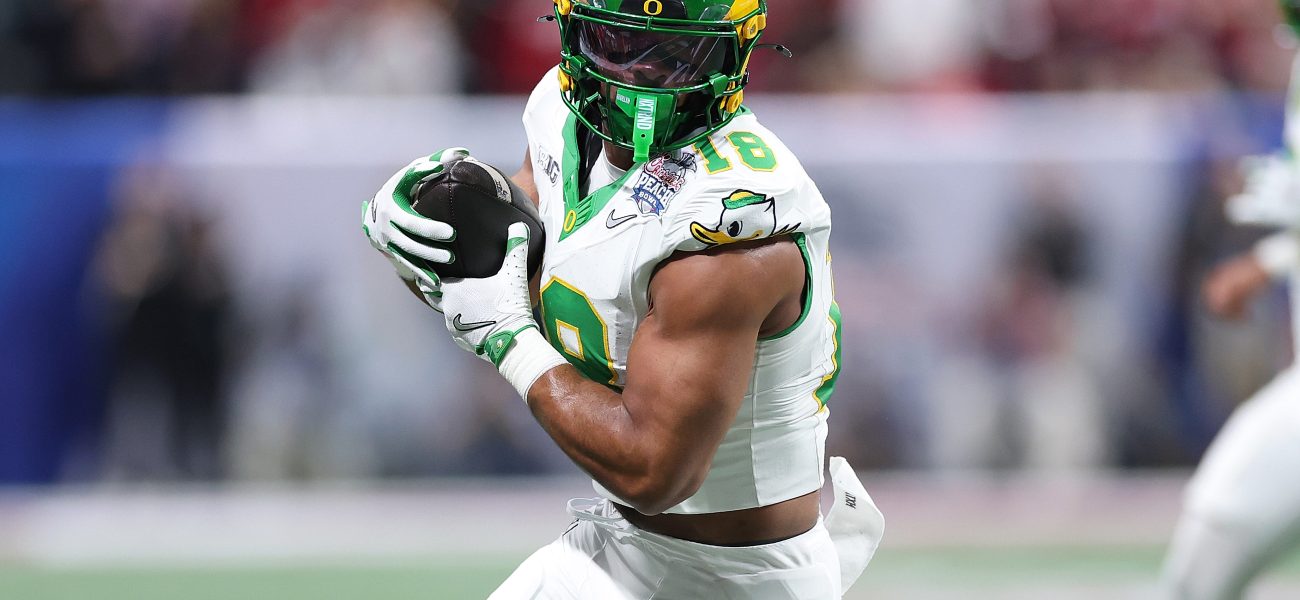
No, the league fixates on athletes, those mismatch nightmares who can split defenders, win contested catches, and still muscle up in the run game. That’s a tectonic plates-grinding shift in scouting priorities, and the impending 2026 NFL Draft class stands poised to unleash a new wave of these coveted hybrids. Imagine that! Perhaps none, though, are more captivating than Oregon Ducks standout Kenyon Sadiq.
Sadiq, already topping early big boards for his explosive route-running and basketball-player-like aerial skills (those aerial skills, just incredible), epitomizes this paradigm. He’s not just a large receiver; he’s a multi-dimensional threat, equally comfortable streaking down the sideline or carving out space over the middle. And that matters. Immensely.
“You’re not just drafting a pass-catcher anymore; you’re investing in a chess piece,” Baltimore Ravens General Manager Eric DeCosta recently remarked, underscoring the shift in scouting philosophy. “We need guys who can stretch the seam, block a five-tech, — and still be a leader in the locker room. That’s a tall order.”
DeCosta’s comments highlight an evermore intricate approach to talent acquisition. Teams aren’t simply filling roster spots, you know; they’re strategically adapting to a league where offensive innovation dictates success. It’s a high-stakes game.
Behind the headlines — and highlight reels, a deeper trend emerges: the globalization of athletic talent. The search for these multi-faceted athletes also reflects a broader, almost globalized, scouting trend — one that’s pushing teams far beyond the familiar confines of traditional football hotbeds, forcing them to cast wider, more audacious nets — and it’s about time. Teams aren’t just looking at traditional football factories anymore.
They’re casting wider nets, understanding that elite athleticism can emerge from diverse backgrounds. Consider the burgeoning interest in American football across continents, even in regions like South Asia. While not yet a direct pipeline — and let’s be honest, that’s still a ways off — the league’s global marketing push, reaching into new markets for viewership, might eventually translate into scouting initiatives down the line, broadening the talent pool in utterly unexpected ways.
What exactly are scouts looking for in this new breed? It’s more than just size. Much more. They want fluidity, catch radius, and an innate feel for leverage, traits often honed on courts and pitches far from the gridiron.
“The era of the purely inline blocking tight end is, by and large, over,” observed veteran draft analyst Daniel Owens. “Teams want athletes, guys who’ve played basketball or even soccer at a high level. They want fluidity, catch radius, — and an innate feel for leverage. It’s why names like Sadiq are rising fast.”
Owens points to a burgeoning roster of prospects, including Vanderbilt’s Eli Stowers and Ohio State’s Max Klare, who showcase this versatile skillset. Stowers, with his athleticism, — and Klare, a sturdy target, truly embody the depth of this upcoming class.
📄 POLICY WIRE WHITEPAPER PUBLISHED: PAKISTAN'S NATIONAL SECURITY POLICY PRIORITIES
👉 READ BY CLICKING HEREBeyond the top tier, other names like Michael Trigg from Baylor and Justin Joly of NC State offer compelling mélanges of size and skill. Each of these players showcases a unique blend of traits that could define the next generation of NFL offenses.
For a team like the Baltimore Ravens, notoriously keen on developing tight end talent, the 2026 class couldn’t come at a more propitious moment. With future planning always pivotal, securing a dynamic tight end ensures offensive flexibility for years to come. It’s just good business, really. Such strategic foresight is critical as the league accelerates its pace.
In fact, the NFL Draft’s Faster Clock only magnifies the need for decisive scouting and swift decision-making.
According to Pro Football Focus data, receiving tight ends accounted for a staggering 22% of all red-zone targets and 18% of red-zone touchdowns in the 2024 NFL season. That’s a hefty portion of offensive production, illustrating their undeniable impact.
What This Means
But this deep class of athletic tight ends heralds a tactical arms race brewing in the NFL. Teams, particularly those with dynamic young quarterbacks, will covet these versatile weapons to exploit mismatches against linebackers and safeties. It’s a clear signal that offensive coordinators aren’t just wanting more options; they’re craving them, moving away from rigid formations towards fluid, adaptable playbooks.
Economically, the value of these players is bound to escalate, propelling draft capital investment and future contract demands. For general managers, identifying which prospects possess the longevity and adaptability for the pro game becomes a treacherous tightrope walk — one that demands an almost oracle-like ability to predict future performance amidst a swirling vortex of variables like injury risk, coaching changes, and scheme fit — and it isn’t for the faint of heart. Will they prioritize raw athleticism, or a more polished but less explosive skillset? So, the math is stark: miss on this position, — and your red-zone efficiency could suffer.
Ultimately, the 2026 draft won’t just be about finding talent; it’ll be about validating a strategic shift in how the game is played. As veteran coach Bill Belichick once famously quipped, “You can’t have enough good players.” He might’ve added, “especially if they’re athletic tight ends.”