


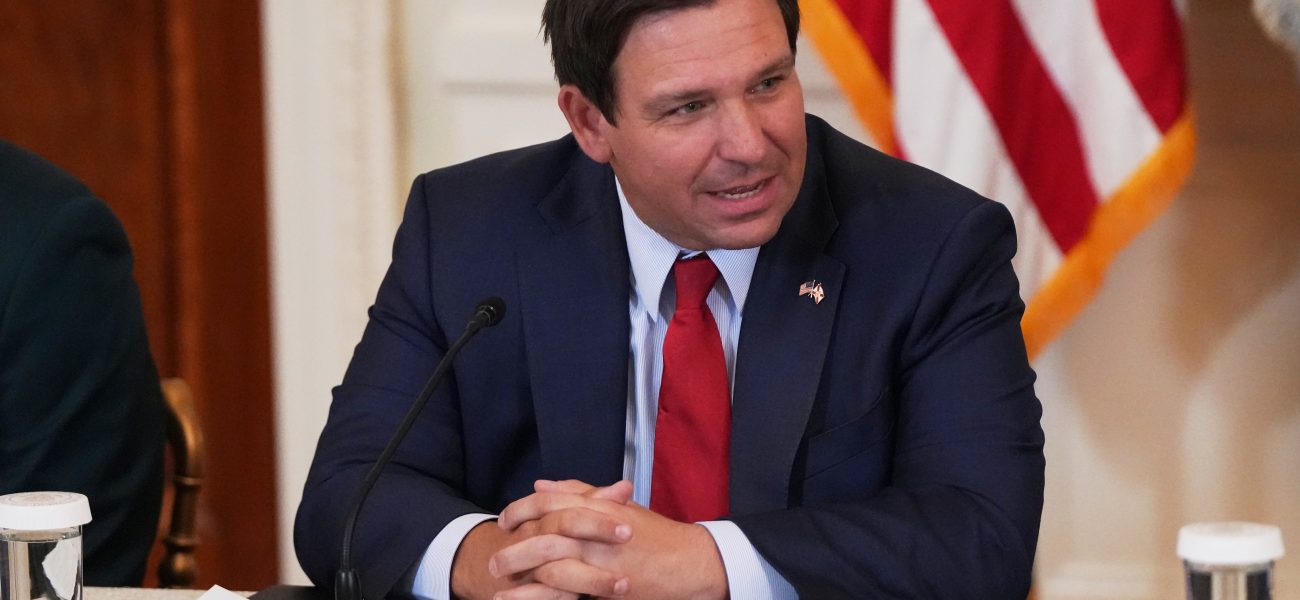
DeSantis Enacts Florida DEI Funding Ban, Citing Disadvantage to White Men
POLICY WIRE — Tallahassee, Florida — Governor Ron DeSantis has officially signed legislation preventing Florida’s state agencies and local governments from allocating taxpayer funds towards...

POLICY WIRE — Tallahassee, Florida — Governor Ron DeSantis has officially signed legislation preventing Florida’s state agencies and local governments from allocating taxpayer funds towards diversity, equity, and inclusion (DEI) programs.
The new statute, a key component of the governor’s broader agenda to reshape public education and government, formalizes a prohibition on using state or local resources to promote initiatives based on specific ideological frameworks related to identity. This move extends similar restrictions previously applied to public universities within the state.
DeSantis’s Rationale Behind the Ban
During the signing ceremony, Governor DeSantis articulated his belief that DEI programs often operate as discriminatory practices, contending they actively disadvantage certain demographic groups. He specifically remarked that under current DEI frameworks, “white men are disfavored” and “Hispanic men are disfavored.”
“You are taking the public’s money, and you are using it to discriminate. We are not going to be doing that in the state of Florida,” DeSantis stated, emphasizing the financial aspect of the prohibition.
This legislative action aligns with the administration’s stance that merit and individual achievement, rather than group identity, should be the sole determinants in public sector employment and educational opportunities. Critics argue that such bans undermine efforts to address historical inequalities and foster inclusive environments. For an in-depth look at the state’s prior actions on this matter,
Read More: Florida Governor DeSantis Bans Local DEI Funding, Sparks Debate Over Equity Initiatives.
Impact on Local Government and Education
The measure mandates that all state and local governmental bodies, including school boards and city councils, cease funding DEI offices, trainings, and related initiatives. This directive requires a comprehensive review of existing programs to ensure compliance with the new legal framework.
📄 POLICY WIRE WHITEPAPER PUBLISHED: PAKISTAN'S NATIONAL SECURITY POLICY PRIORITIES
👉 READ BY CLICKING HEREFurthermore, the law prohibits requiring employees or contractors to participate in DEI-related training or attestation as a condition of employment. The aim is to dismantle what the governor’s office describes as “ideological conformity” within public institutions.
While Florida focuses on restricting certain expenditures, other states are actively investing in specific social and educational programs. For instance, some jurisdictions prioritize early childhood development. New Mexico has achieved top national rankings in preschool access and early education investment, showcasing diverse approaches to public funding across the nation.
Opponents of the bill, including various civil rights organizations and advocacy groups, contend that eliminating DEI programs will hinder progress toward creating diverse workplaces and equitable access to opportunities. They assert that these initiatives are vital for addressing systemic biases and promoting understanding among different communities.
Broader National Context and Future Implications
Florida’s latest legislation marks a continuation of a national trend among conservative states to curtail DEI efforts in public institutions. This policy shift reflects an ongoing ideological debate regarding the role of government in promoting diversity and addressing historical disadvantages.
The long-term effects of this ban on Florida’s public sector workforce, educational institutions, and the broader social fabric remain to be seen. Legal challenges are anticipated, as civil liberties groups are likely to contest the constitutionality and discriminatory impact of such measures.