


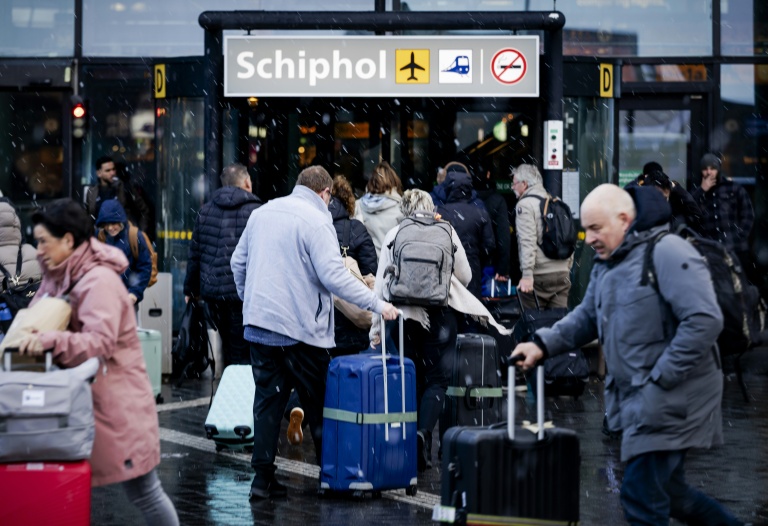
Schiphol Airport Unveils Airline Fuel Cost Discount Program Amid Soaring Operational Expenses
POLICY WIRE — Amsterdam, Netherlands — Amsterdam Schiphol Airport has publicly declared its intention to introduce financial incentives for air carriers operating from its facilities, aiming to ease...

POLICY WIRE — Amsterdam, Netherlands — Amsterdam Schiphol Airport has publicly declared its intention to introduce financial incentives for air carriers operating from its facilities, aiming to ease the pressure of escalating global fuel expenses.
This initiative emerges as the broader aviation sector continues to contend with significantly elevated operational costs. Officials at the airport clarified that these financial reductions are integral to a comprehensive strategy designed to bolster their airline collaborators and sustain competitive service offerings.
Strategic Support for the Aviation Sector
The particular specifications of this new discount framework, encompassing eligibility prerequisites and the total financial commitment, are anticipated to be disclosed before the end of the current quarter. Industry observers are interpreting this action as a forward-thinking step by Schiphol to guarantee ongoing airline allegiance and robust flight timetables, even in the face of challenging economic conditions impacting the airline industry.
Such strategic financial interventions are not uncommon in periods of economic strain. Similar proactive measures are often taken by governmental or institutional bodies to stabilize critical sectors. For instance, significant financial aid packages have been crucial in supporting national economies and industries during times of crisis, underscoring the importance of targeted funding.
Read More: EU Formally Approves Landmark €90 Billion Loan for Ukraine’s Economic Stability and Reconstruction
The airport’s decision highlights a growing trend among major transport hubs to actively support their commercial partners through economic volatility. By mitigating the impact of high jet fuel prices, Schiphol aims to foster a more stable operating environment for its airline clientele.
Impact on Air Travel and Operational Efficiency
The long-term effects of such a program could include sustaining passenger volumes and encouraging airlines to maintain or even expand their presence at Schiphol. This could ultimately benefit travelers through more stable pricing and a wider array of flight options.
📄 POLICY WIRE WHITEPAPER PUBLISHED: PAKISTAN'S NATIONAL SECURITY POLICY PRIORITIES
👉 READ BY CLICKING HERE“Proactive measures like these are vital for maintaining the health of the aviation ecosystem and ensuring continued connectivity for global commerce and tourism,” stated an independent aviation analyst, emphasizing the importance of airport-airline collaboration.
While the focus remains on economic stability, regulatory frameworks and policy decisions continue to shape various industries globally. Major inquiries and policy shifts can have profound impacts, much like financial policies aim to stabilize markets.
Read More: Tanzania Election Violence: Official Inquiry Confirms Over 500 Fatalities Amidst Political Unrest
The outcome of Schiphol Airport’s discount scheme will be closely monitored by other international airports facing similar challenges from inflationary pressures and fluctuating energy markets.