


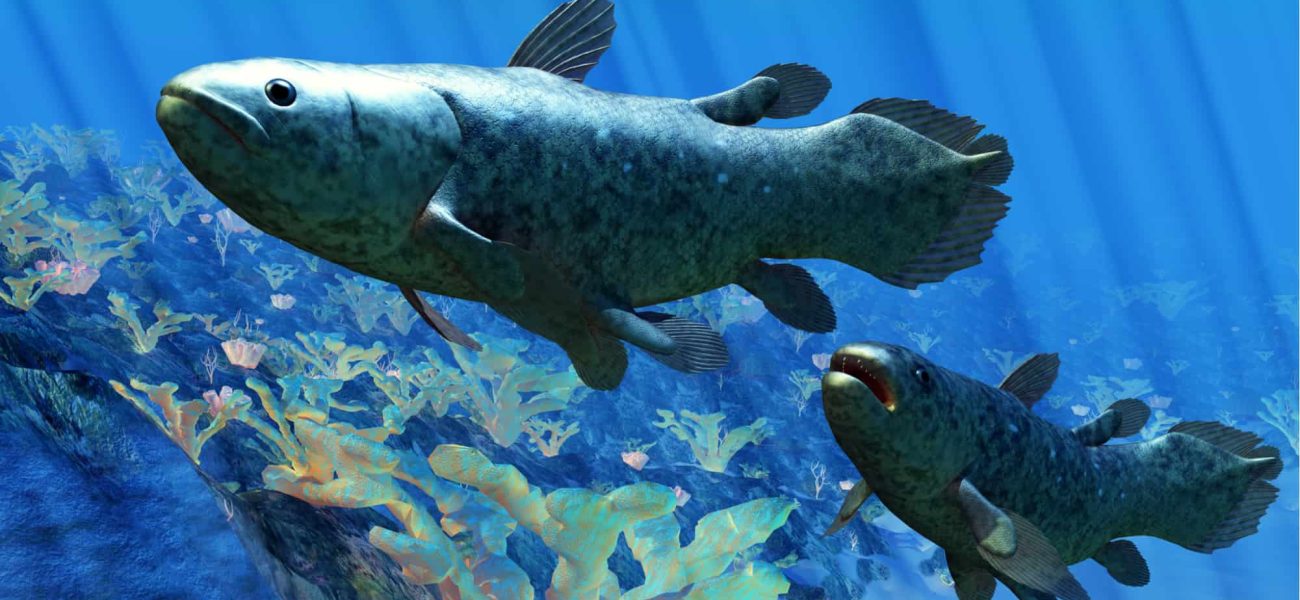
Deep-Sea Discovery: Scientists Moved by Rare ‘Abyssal Lumina’ Fish Find
POLICY WIRE — San Diego, USA — A recent deep-sea expedition has led to the discovery of an astonishingly rare fish species, nicknamed the ‘Abyssal Lumina’, prompting profound emotional...

POLICY WIRE — San Diego, USA — A recent deep-sea expedition has led to the discovery of an astonishingly rare fish species, nicknamed the ‘Abyssal Lumina’, prompting profound emotional reactions from the scientific community.
Researchers from the esteemed Scripps Institution of Oceanography, after weeks of intensive subsea exploration, encountered the unique creature in an previously uncharted abyssal trench, miles beneath the Pacific Ocean’s surface. The extraordinary find, characterized by its ethereal glow and unique biological adaptations, deeply affected the lead marine biologists.
Unveiling the Abyssal Lumina
The newly identified fish, tentatively named Luminiscens profundus, exhibits remarkable traits suited to its extreme environment. Its body is adorned with intricate bioluminescent patterns, believed to facilitate communication and attract prey in the perpetual darkness of the deep ocean. Scientists noted its delicate, almost otherworldly appearance, surviving under immense pressure and frigid temperatures.
The discovery was made possible by cutting-edge remotely operated vehicles (ROVs) equipped with high-definition cameras and sampling capabilities. Witnessing the fish in its natural habitat, undisturbed and thriving, was described by expedition leader Dr. Evelyn Reed as an overwhelmingly moving experience, bringing some team members to tears of wonder and awe.
“To witness such pristine, ancient life thriving in a world so alien to our own is a humbling reminder of Earth’s unfathomable biodiversity. It was a moment of pure, unadulterated scientific joy mixed with a deep sense of responsibility,” stated Dr. Reed in a press conference.
Implications for Marine Science and Conservation
This unprecedented find holds significant implications for marine biology and our understanding of deep-sea ecosystems. Preliminary analyses suggest the ‘Abyssal Lumina’ may represent a previously unknown evolutionary lineage, offering vital clues about the origins and diversification of life in extreme environments.
📄 POLICY WIRE WHITEPAPER PUBLISHED: PAKISTAN'S NATIONAL SECURITY POLICY PRIORITIES
👉 READ BY CLICKING HEREThe existence of such a specialized and seemingly fragile species underscores the critical importance of preserving deep-sea habitats from human interference. Efforts to understand and protect these unique aquatic environments parallel ongoing challenges in managing vital freshwater resources, such as those highlighted in the Colorado River Crisis, where critical decisions impact diverse ecosystems.
Safeguarding Our Oceanic Frontiers
Conservationists are advocating for the immediate protection of the trench where the ‘Abyssal Lumina’ was found, proposing it as a new marine protected area. The deep sea, long considered a barren void, is increasingly recognized as a reservoir of biodiversity and potential biochemical resources, yet it remains one of the least explored and understood regions on Earth.
This discovery serves as a powerful testament to the vast, unexplored wonders still hidden beneath the waves and a call to action for further research and robust conservation policies. The profound emotional response from scientists emphasizes not just the scientific value, but the intrinsic wonder these creatures inspire. The discovery underscores a broader need for sustainable practices across all sectors, from marine conservation to agricultural initiatives like the regenerative cotton farming project funded by Levi Strauss & Co., demonstrating a global commitment to ecological well-being.