



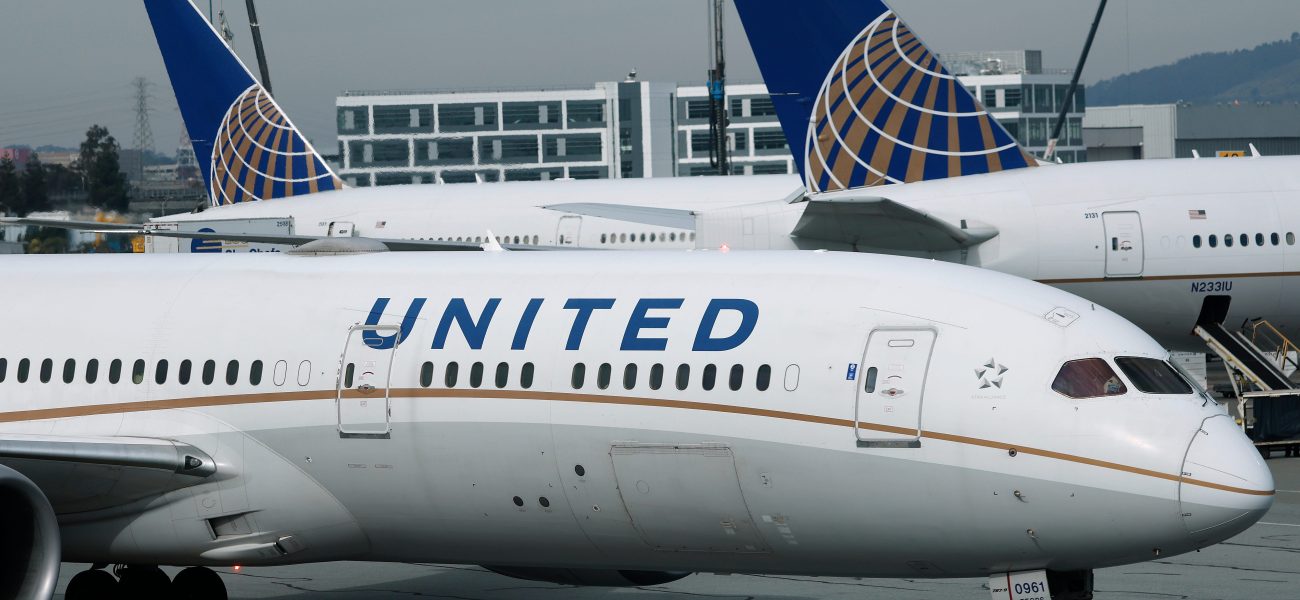
Global Aviation Crisis: Major Airlines Cancel Flights Amidst Severe Jet Fuel Shortages and Surging Prices
POLICY WIRE — London, UK — Major global airlines are grappling with significant operational hurdles, leading to widespread flight cancellations as they confront acute jet fuel shortages and spiraling...

POLICY WIRE — London, UK — Major global airlines are grappling with significant operational hurdles, leading to widespread flight cancellations as they confront acute jet fuel shortages and spiraling energy costs.
The commercial aviation sector, a vital engine for international travel and commerce, is experiencing substantial disruption, affecting both air carriers and their passengers. This challenging environment threatens to impede the industry’s recovery trajectory after the unprecedented impact of the recent global pandemic.
Jet Fuel Scarcity and Escalating Costs Drive Cancellations
A complex interplay of global events has triggered a critical scarcity of available jet fuel, simultaneously driving its market price to unprecedented levels. Factors contributing to this volatile situation include ongoing geopolitical tensions, limitations in refinery production capacity, and a robust, rapid resurgence in worldwide travel demand.
“The current economic climate presents an enormous test for airlines. Maintaining flight schedules and achieving profitability becomes extraordinarily difficult when the most fundamental operational resource – jet fuel – is both hard to find and financially burdensome.”
This perfect storm of supply and demand issues is forcing airlines to make tough decisions regarding their services and routes.
Passenger Disruption and Operational Adjustments
In direct response to these severe market pressures, numerous leading airlines have been compelled to significantly curtail their flight schedules, resulting in a substantial number of canceled services. These strategic adjustments aim to manage escalating operational expenditures and preserve dwindling fuel inventories.
- Reduced Frequencies: Many flight routes are now experiencing fewer daily or weekly departures.
- Capacity Reductions: Airlines are actively scaling back available seating to align with current fuel accessibility.
- Increased Fares: The heightened operational costs are inevitably being transferred to consumers, leading to more expensive air travel tickets.
The cascading effects of these measures are creating considerable inconvenience for travelers, with sudden cancellations causing extensive delays, missed connections, and heightened frustrations. Industry experts suggest this trend of unpredictability could persist, potentially impacting upcoming peak travel periods.
📄 POLICY WIRE WHITEPAPER PUBLISHED: PAKISTAN'S NATIONAL SECURITY POLICY PRIORITIES
👉 READ BY CLICKING HEREThe global energy landscape remains highly unpredictable, with incidents such as the US Navy’s interception of Iranian tankers in Asian waters amidst Strait of Hormuz tensions underscoring persistent geopolitical sensitivities that can directly influence crude oil prices and, consequently, the cost of aviation fuel.
Airlines Strategize Amidst Fuel Crisis
Airlines are proactively exploring diverse strategies to alleviate the impact of the ongoing fuel crisis. These initiatives encompass optimizing flight paths for enhanced fuel efficiency, investing in newer, more economical aircraft models, and implementing robust fuel hedging policies to mitigate price volatility.
Furthermore, collaborative discussions are underway across the aviation industry and with governmental bodies to explore long-term solutions. Potential avenues include boosting global refinery outputs and accelerating the research and deployment of sustainable aviation fuels (SAFs). However, realizing these comprehensive solutions will require substantial time and significant capital investment.
Read More: Lebanon Accuses Israel of War Crimes, Alleges IDF Targeted Journalists Amidst Regional Conflict