
Pakistan Beyond the Narrative: A Case Built on Facts
The image of Pakistan in the world over decades has been frequently framed by geopolitics rather than details of facts on the ground. A more detailed examination of existing data shows a more nuanced...

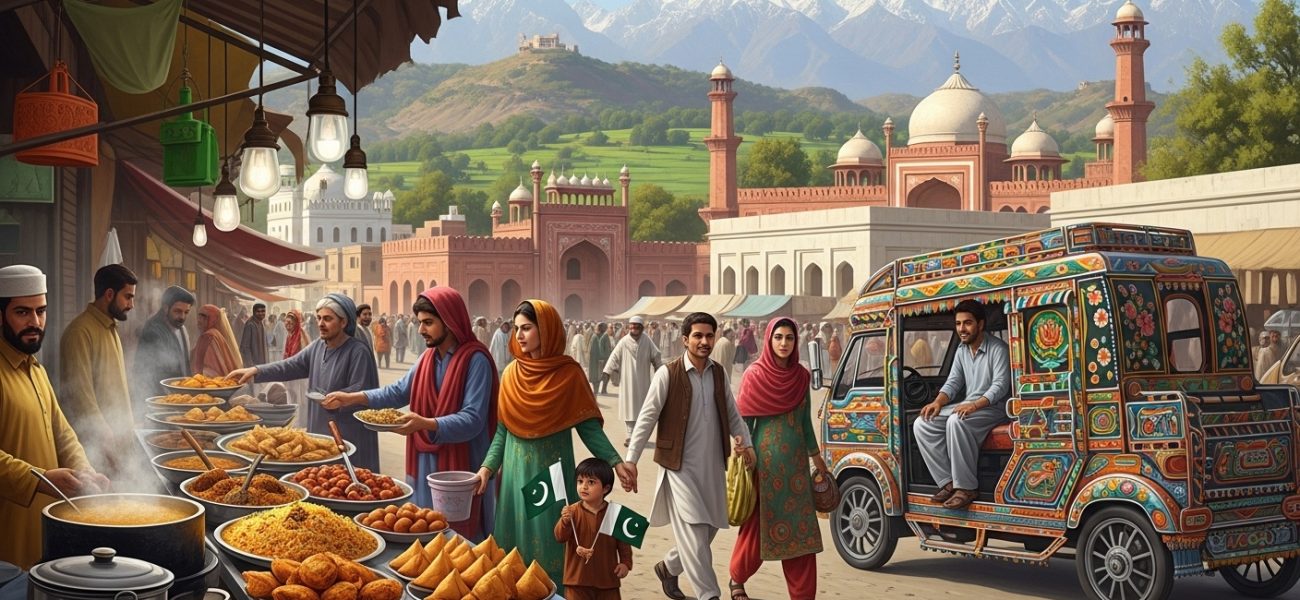
The image of Pakistan in the world over decades has been frequently framed by geopolitics rather than details of facts on the ground. A more detailed examination of existing data shows a more nuanced and consequential image: a state, which has survived a long-term security pressure, which has played an important role in global peacekeeping activities, and which is becoming more and more a part of major regional connectivity and economic networks.
The Frontline Cost of the War on Terror
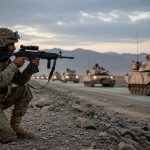
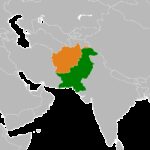
The human and economic cost of the recent security environment in Pakistan should be considered in any serious evaluation of the recent history of this country. In a study carried out by Watson Institute at Brown University, it was reported that over 23,000 Pakistani civilians and over 8,800 security personnel were killed in terrorism related incidents between 2001 and early 2020s. Larger estimates, which are gathered in official Pakistani records and are frequently covered by media in Pakistan, list a total of over 74,000 deaths, including terrorists, in the extended struggle. The economic effect was also great. According to estimates by Dawn government, Pakistan has suffered a financial loss of about 126 billion in the War on Terror between 2001 and 2016. These expenses involved infrastructure destruction, hindrance to foreign investment, strain on tourism and massive security spending. Being a frontline state with Afghanistan, Pakistan has had significant spillover consequences of a conflict that has started outside its borders.
A Consistent Contributor to UN Peacekeeping
Pakistan has upheld one of the most enduring peacekeeping engagements of the United Nations in the world. The Ministry of Foreign Affairs reports that more than 235,000 Pakistani citizens have served in 48 UN missions all over the world, thus the country is one of the top contributors in the history of UN peacekeeping. In 2025, the number of Pakistani deployed in six ongoing missions in places like South Sudan, the Democratic Republic of Congo, the Central African Republic, Cyprus, Abyei, and Western Sahara is estimated to be about 2,662 (147 women). Pakistan has been credited with numerous times by the United Nations to facilitate peace operations. The 171 Pakistani peacekeepers who have died in service have served in UN missions since joining the missions. Pakistan has also been a member of the UN Security Council seven times, the last being 2012-2013 where it has been involved in major deliberations on multidimensional peacekeeping structures. This is an indication of a long-term institutional participation in the global governance processes.
CPEC and Regional Connectivity
The geographic location of Pakistan, which connected South Asia, Central Asia, China, and the Middle East, has been more translated into the infrastructure and trade connectivity with China-Pakistan Economic Corridor (CPEC). CPEC was originally estimated to be worth 46 billion and then extended to over 60 billion and it has been one of the most advanced overland corridors in the Belt and Road Initiative of China. The project has helped in the completion of some major transport infrastructure projects, such as major motorway networks like Multan-Sukkur and Hakla-D.I. Khan routes, over a distance of almost 900 kilometres. CPEC energy projects have helped to fill in the power shortages in Pakistan, and Gwadar Port and its Free Zone have generated significant investment. The development of the Gwadar International Airport also enhances the logistic capability of the region. CPEC is also strategically important in broader regional context as it could provide landlocked Central Asian states with a possible access to ports of the Arabian Sea via integrated transit corridors.
A Digital Economy in Expansion
The technology sector in Pakistan has been steadily growing over the past years. The export of IT was about $3.2 billion in fiscal year 2023-24, or more than 20 percent higher than the previous year, based on State Bank of Pakistan data. The internet penetration has increased to over 50 percent by 2024, with infrastructure development and growing mobile connectivity helping the internet to rise to over 50 percent in 2024, up against 11 percent in 2015. Another aspect that has seen Pakistan emerge as one of the fastest-growing freelancing markets in the world is the fact that its workforce is mostly young and English-speaking and is increasingly being assimilated into global digital supply chains. Having over 60 percent of the population aged below 30 years old, the demographic composition of Pakistan offers a major base of further growth in the digital sector, depending on the continued support of policies and investments.
Climate Vulnerability and Global Inequity
The national estimates and international climate surveys indicate that Pakistan has a contribution to global greenhouse gas emissions of less than 1 percent. Nevertheless, it is always among the most climate-prone nations in the world: fifth in the Global Climate Risk Index and equally high in other global ratings. This vulnerability was demonstrated on a scale never before seen in 2022, during the floods. The United Nations reported that the number of people affected to be above 33 million, over 1,100 people died and extensive destruction of infrastructure affected housing, health and education systems in many regions. Pakistan has also been advocating the need to focus on climate finance and loss-and-damage mechanisms in global climate discussions, which are wider discussions on equity in global climate responsibility.
📄 POLICY WIRE WHITEPAPER PUBLISHED: PAKISTAN'S NATIONAL SECURITY POLICY PRIORITIES
👉 READ BY CLICKING HEREReading the Full Picture
The path that Pakistan is following cannot be explained by the use of selective indicators. The nation still has to manoeuvre through thorny issues such as economic strain, governance reforms and the security balance. These facts are generally accepted in the policy and scholarly literature. Nevertheless, to conduct a comprehensive analysis, it is also important to acknowledge the contributions that Pakistan has been making: continuous involvement in UN peacekeeping, much human and economic costs incurred in the global counterterrorism campaign, increasing infrastructure under regional connectivity models, a rapidly expanding digital economy, and a disproportionately high burden of climate vulnerability. Collectively, the information leads to a more multidimensional view of Pakistan- one that goes beyond the simplistic accounts and represents its role in larger regional and global systems.
Author