



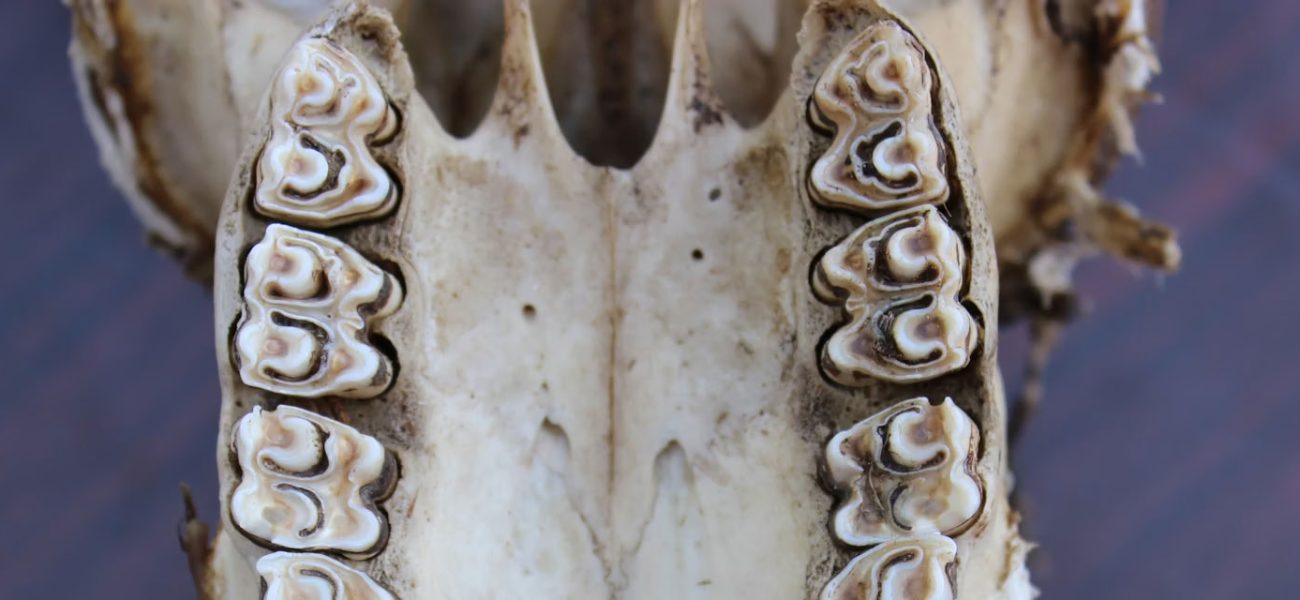
Ancient Fossil Teeth Reveal Pivotal Environmental Shifts in Early Hominin Evolution
POLICY WIRE — London, UK — Recent groundbreaking research, leveraging the detailed analysis of ancient fossilized teeth, has provided invaluable new insights into the prehistoric environments that...

POLICY WIRE — London, UK — Recent groundbreaking research, leveraging the detailed analysis of ancient fossilized teeth, has provided invaluable new insights into the prehistoric environments that shaped the evolution of humanity’s earliest ancestors.
Scientists have meticulously examined dental remains from millions of years ago, uncovering critical information about the diets and habitats of early hominins during a transformative period in our lineage. This innovative study redefines our understanding of the ecological pressures and resources available to these ancient primates.
Unlocking Prehistoric Ecosystems Through Dental Clues
The morphology and chemical composition of ancient teeth act as remarkable archives of past dietary habits and environmental conditions. Researchers applied advanced analytical techniques, including stable isotope analysis and microwear studies, to discern the types of vegetation consumed by these early hominids.
These methods allow paleontologists to reconstruct with unprecedented accuracy whether our ancestors predominantly inhabited dense forests, open grasslands, or mixed mosaic landscapes. The findings suggest a more complex and variable environmental backdrop than previously theorized for the crucial stages of hominin development.
“Each ancient tooth is a miniature time capsule, holding atomic signatures that speak volumes about the plants and water sources available millions of years ago. This study fundamentally alters our perception of the dynamic ecosystems our ancestors navigated,” stated Dr. Elena Rodriguez, lead paleoanthropologist on the project.
Read More: Wildfire Protection Breakthroughs: Scientists Burn Homes to Engineer Climate Resilience
Dietary Adaptations and Evolutionary Pressures
The dental evidence indicates a significant degree of dietary flexibility among our distant relatives, enabling them to adapt to fluctuating food resources. This adaptability was likely a key factor in their survival and subsequent evolutionary success across various African landscapes.
📄 POLICY WIRE WHITEPAPER PUBLISHED: PAKISTAN'S NATIONAL SECURITY POLICY PRIORITIES
👉 READ BY CLICKING HEREUnderstanding these ancient dietary patterns helps piece together the puzzle of why certain evolutionary traits, such as bipedalism and changes in brain size, may have emerged. The ability to exploit a wider range of food sources would have offered a considerable advantage in increasingly unpredictable environments.
Redefining the Cradle of Humanity
Traditionally, the East African savanna has been posited as the primary setting for early human evolution. However, this new research presents a more nuanced picture, suggesting that forest patches and transitional zones played a more significant role than previously acknowledged in providing shelter and sustenance.
These findings underscore the importance of interdisciplinary research, combining geology, botany, and anthropology, to fully grasp the intricate tapestry of early human history. The ongoing discovery of new fossil sites and the application of advanced scientific techniques continue to refine our understanding of where, when, and how humanity came to be.
Read More: Ukraine’s Druzhba Oil Pipeline Repaired, Boosting European Energy Resilience