


Gaza and West Bank: Weekly Analysis of Escalating Attacks, Evictions, and Rising Tensions
POLICY WIRE — Jerusalem, Palestine — The past week has witnessed a significant intensification of hostilities and forced displacements across the Palestinian territories, particularly impacting...

POLICY WIRE — Jerusalem, Palestine — The past week has witnessed a significant intensification of hostilities and forced displacements across the Palestinian territories, particularly impacting residents in the Gaza Strip and the West Bank.
Reports indicate a clear pattern of coordinated military operations and civilian evictions, collectively contributing to a profoundly volatile regional landscape. These concerning incidents have drawn widespread condemnation from human rights organizations and international observers, underscoring a rapidly deteriorating humanitarian situation for local populations.
Intensified Operations in Gaza
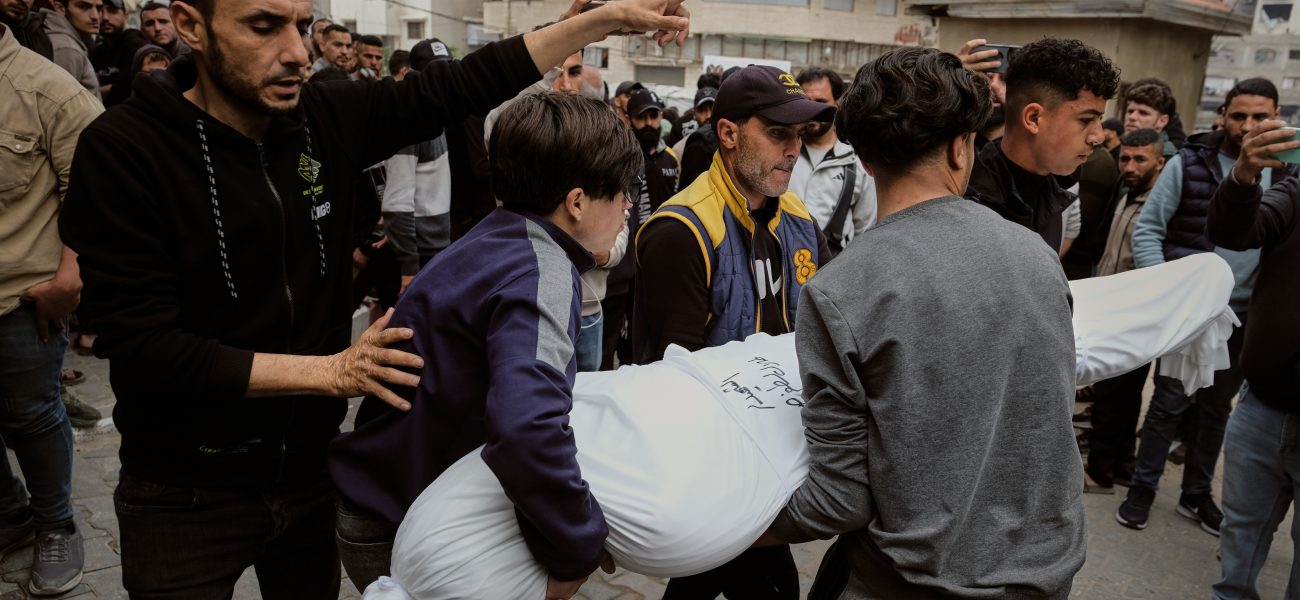
Within the besieged Gaza Strip, a series of aerial bombardments and ground incursions prominently characterized the past seven days’ events. Local authorities have reported multiple fatalities and dozens injured following what were described as targeted strikes, which defense forces stated were in response to alleged cross-border activities. Crucial infrastructure across the enclave sustained further damage, exacerbating the persistent humanitarian crisis already gripping the region.
Observers are noting a heightened tempo of military engagements, with concerns rapidly mounting over the rising civilian casualties. Access for journalists to accurately report on these sensitive developments continues to be a contentious issue, as highlighted in ongoing legal discussions. Read More: Gaza Press Access Case: State Urges Supreme Court to Maintain Legal Deadline
West Bank Evictions and Settler Violence
Concurrently, the West Bank experienced a significant surge in forced evictions and residential demolitions. Communities situated in sensitive areas like East Jerusalem and the Jordan Valley faced directives that resulted in the displacement of numerous Palestinian families. Activists meticulously documented several instances of homes being razed, leaving vulnerable families without adequate shelter or resources.
Furthermore, multiple incidents of violence involving settlers were recorded, encompassing reports of agricultural land destruction and direct attacks on Palestinian civilians. These aggressive actions frequently occur under the protection or often in the presence of security forces, thereby intensifying local grievances and fueling continuous cycles of unrest. International bodies have repeatedly issued calls for an immediate halt to these practices, which are widely considered direct violations of international law.
📄 POLICY WIRE WHITEPAPER PUBLISHED: PAKISTAN'S NATIONAL SECURITY POLICY PRIORITIES
👉 READ BY CLICKING HERE“The relentless cycle of violence and displacement fundamentally undermines any prospects for lasting peace and stability in the region,” stated a spokesperson for a leading human rights advocacy group. “Urgent and decisive international intervention is unequivocally required to protect civilian populations and uphold basic human dignity.”
Regional and International Reactions
The latest developments in Palestine have reverberated significantly across the international community, albeit with varying degrees of response and commitment. While some nations have voiced strong disapproval of the actions undertaken, concrete steps to genuinely de-escalate the volatile situation or impose punitive measures have remained notably limited. Germany Rejects Broad EU Sanctions Against Israel Amidst Diplomatic Tensions, starkly illustrating the complex and often divided diplomatic landscape.
Analysts widely suggest that without a concerted, unified global effort, the current trajectory of escalating conflict and deepening humanitarian crisis is unfortunately likely to persist indefinitely. The immediate future appears profoundly fraught with challenges for the resilient residents of Gaza and the West Bank, as their fundamental struggle for basic rights and security continues amidst profound geopolitical complexities.