


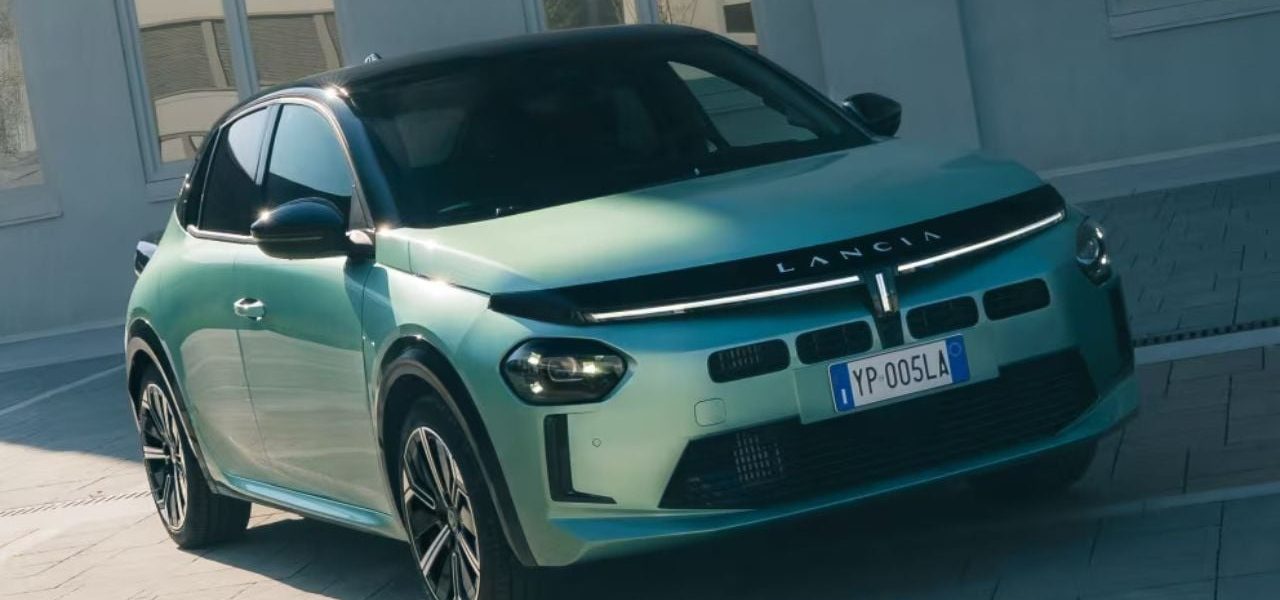
Lancia’s Bold Strategy: Manual Petrol Hatchback Challenges EV and Tech Trends
POLICY WIRE — Turin, Italy — In an automotive landscape increasingly dominated by electric powertrains, advanced hybrid systems, and expansive digital interfaces, Italian automaker Lancia has...

POLICY WIRE — Turin, Italy — In an automotive landscape increasingly dominated by electric powertrains, advanced hybrid systems, and expansive digital interfaces, Italian automaker Lancia has unveiled a striking counter-trend with its latest model.
The marque, known for its rich heritage, has opted to introduce a new compact hatchback equipped with a conventional manual transmission and a petrol engine. This decision starkly contrasts the industry’s pervasive shift towards electrification and extensive digital user experiences.
Defying the Electric Vehicle Tide
Lancia’s unconventional move positions it uniquely against prevailing market forces. While many manufacturers are accelerating their transition to electric vehicles (EVs) and hybrid cars, this new Lancia model champions a more traditional driving experience.
The choice suggests a deliberate strategy to appeal to a distinct segment of consumers: those who value driver engagement, simplicity, and the tactile feel of a manual gearbox over the advanced complexities of modern electric or highly automated systems.
“This is not just a car; it’s a statement. Lancia is tapping into a desire for authenticity in an increasingly digital world, offering a pure driving experience that many enthusiasts still crave.”
Strategic Differentiation in a Crowded Market
The brand’s approach could be interpreted as a strategic play to carve out a niche within a fiercely competitive global market. By focusing on a segment potentially overlooked by larger players, Lancia aims to differentiate itself and rekindle interest in its legacy.
This bold product choice also invites scrutiny regarding Lancia’s long-term vision under the Stellantis group, particularly as worldwide regulatory frameworks continue to push for an expedited transition toward sustainable mobility. Industry analysts are closely observing whether this distinctive strategy will yield positive results for the historic Italian marque.
📄 POLICY WIRE WHITEPAPER PUBLISHED: PAKISTAN'S NATIONAL SECURITY POLICY PRIORITIES
👉 READ BY CLICKING HERERead More: Jets GM Darren Mougey Addresses David Bailey Visit: Decoding No. 2 Pick Strategy for NFL Draft
Implications for Automotive Consumers
For consumers, Lancia’s decision presents an intriguing alternative to the current array of highly digitized and electrified options. It offers a renewed focus on fundamental driving pleasure and accessibility, potentially attracting buyers who feel alienated by the rapid technological evolution in the automotive sector.
The success of this manual petrol hatchback will likely influence future product development decisions within Lancia and may even inspire other manufacturers to consider diversified offerings beyond the dominant EV and hybrid paradigms. This development underscores the ongoing debate about the future direction of the automotive industry and consumer preferences.
In a related discussion on broader industry shifts, Germany Recently Rejected Broad EU Sanctions Against Israel Amidst Diplomatic Tensions, highlighting how national strategies can diverge from broader consensus, much like Lancia’s product philosophy.