


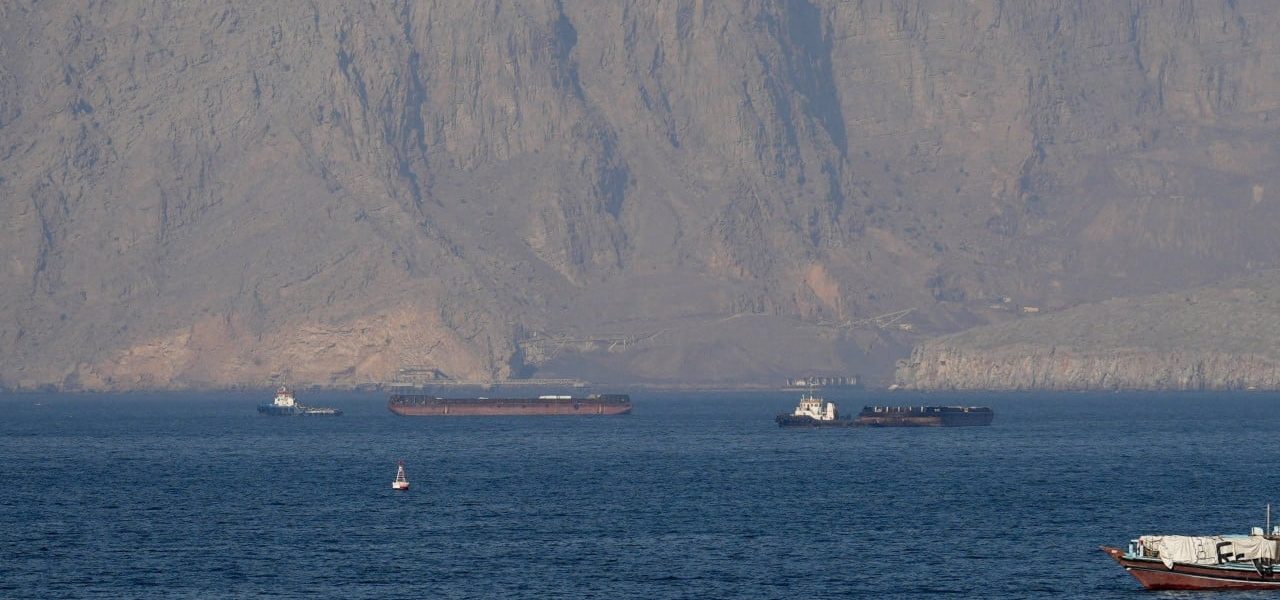
Iran’s Attack on Indian Oil Tankers Escalates Strait of Hormuz Maritime Security Concerns
POLICY WIRE — Tehran, Iran — A recent naval engagement involving Iranian forces targeting two Indian-flagged oil tankers within the vital Strait of Hormuz has ignited significant debate regarding...

POLICY WIRE — Tehran, Iran — A recent naval engagement involving Iranian forces targeting two Indian-flagged oil tankers within the vital Strait of Hormuz has ignited significant debate regarding Tehran’s capacity to safeguard even its allied maritime traffic amidst escalating regional tensions.
This incident, which occurred last Saturday, has created an uncomfortable situation for Iran, particularly given that New Delhi is considered a partner, not an adversary. Both nations have maintained active diplomatic and trade relations, including recent transactions involving Iranian oil purchases by India.
These renewed oil trade agreements had been facilitated by a temporary waiver from U.S. sanctions, highlighting the delicate balance of international relations. The assault on vessels like the Jag Arnav, an Indian-flagged tanker, underscores the potential for instability in the region.
Mounting Maritime Tensions
The aggression towards Indian commercial vessels signals a disturbing trend as the broader Middle East conflict increasingly spills over into critical shipping lanes. Experts suggest this jeopardizes the free flow of commerce through one of the world’s most crucial maritime chokepoints.
Concerns are rising that such actions could lead to further destabilization of global trade routes. The importance of maintaining open and secure waterways in this region cannot be overstated, a sentiment echoed by international leaders. Global leaders consistently advocate for open maritime passages, especially within the Strait of Hormuz.
Geopolitical Ramifications and Accountability
The targeting of a nation’s vessels with whom Iran has established ties significantly complicates the geopolitical landscape. This event challenges the perception of Iran as a reliable protector of neutral shipping lanes, even for countries considered friendly.
📄 POLICY WIRE WHITEPAPER PUBLISHED: PAKISTAN'S NATIONAL SECURITY POLICY PRIORITIES
👉 READ BY CLICKING HEREAnalysts are closely monitoring the fallout, questioning what this portends for future naval operations and trade partnerships in the Arabian Gulf. The incident risks alienating potential economic partners and drawing further international scrutiny onto Iran’s maritime conduct, potentially leading to demands for accountability.
Read More: DOJ Files Federal Lawsuit Against Washington State, Wastewater Authority Over Massive Sewage Spill
The situation in the Strait of Hormuz continues to be a focal point for global security discussions, emphasizing the delicate nature of power dynamics and economic interests in the region.