

Former Bulgarian President Boiko Borissov Secures Parliamentary Majority
POLICY WIRE — Sofia, Bulgaria — Former Bulgarian President Boiko Borissov has successfully led his party to a decisive victory in the recent parliamentary elections, securing a governing majority....

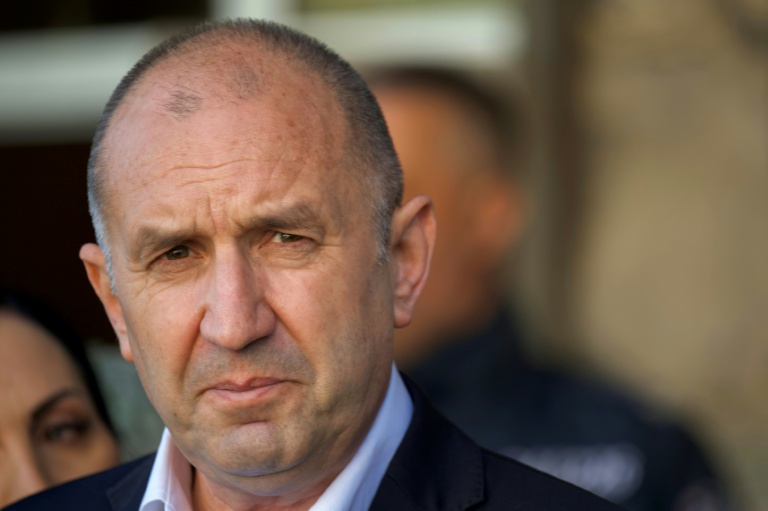
POLICY WIRE — Sofia, Bulgaria — Former Bulgarian President Boiko Borissov has successfully led his party to a decisive victory in the recent parliamentary elections, securing a governing majority.
This electoral outcome paves the way for Borissov’s potential return to power, potentially stabilizing the nation’s political landscape after a period marked by frequent government changes. His party, the Citizens for European Development of Bulgaria (GERB), garnered significant public support, signaling a desire for experienced leadership amidst ongoing national and international challenges.
GERB’s Path to Power
The GERB party’s strong performance in the ballot boxes indicates a clear mandate from the electorate. Early results confirm that the party has surpassed its rivals, achieving the necessary number of seats to form a government without necessarily relying on extensive coalition negotiations, though alliances could still be sought for broader consensus.
Borissov’s campaign focused on themes of stability, economic growth, and national security. His proven track record as a former prime minister resonated with voters looking for a firm hand in uncertain times. The election results underscore a shift in public sentiment towards more established political figures.
Challenges Ahead for the New Administration
The incoming government, under Borissov’s potential leadership, faces a multifaceted agenda. Key domestic issues include accelerating economic reforms, combating corruption, and enhancing public services. Internationally, Bulgaria continues to navigate its role within the European Union and address geopolitical complexities.
Discussions around future policy directions are expected to begin promptly, with a focus on forming a stable cabinet. The next administration will need to tackle pressing issues while maintaining international partnerships, a process that often involves nuanced diplomatic strategies, as seen in other global contexts. Read More: Ukraine Exposes North Korean Missile Design
📄 POLICY WIRE WHITEPAPER PUBLISHED: PAKISTAN'S NATIONAL SECURITY POLICY PRIORITIES
👉 READ BY CLICKING HERE“Voters have clearly expressed their preference for stability and a return to experienced governance, which is a common theme in democracies facing prolonged political uncertainty.”
Economic stability remains a primary concern for many citizens, and the new government will be under pressure to deliver tangible improvements. This includes addressing inflation, attracting foreign investment, and fostering a robust domestic market, much like the broader economic challenges observed across various global industries. Global Airline Industry Under Threat: Economic Challenges Fuel Consolidation