


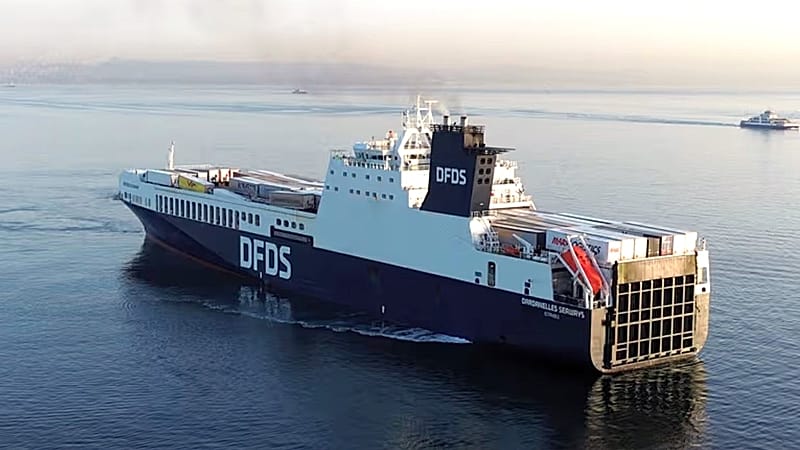
Egypt-Italy Maritime Corridor Boosts Trade, Bypassing Red Sea Disruptions
POLICY WIRE — Cairo, Egypt — Businesses are increasingly turning to a direct sea freight connection between Egypt and Italy as a strategic alternative to traditional global shipping lanes currently...

POLICY WIRE — Cairo, Egypt — Businesses are increasingly turning to a direct sea freight connection between Egypt and Italy as a strategic alternative to traditional global shipping lanes currently facing significant upheaval.
This growing preference highlights a broader trend among international firms seeking to safeguard their supply chains from escalating geopolitical tensions and operational uncertainties, particularly those impacting the crucial Red Sea and Suez Canal routes.
Strategic Shift in Global Shipping
The established maritime link, traversing the Mediterranean Sea, offers a more predictable and secure pathway for cargo movement between North Africa, the Middle East, and Europe. Companies are actively re-evaluating their logistics networks to mitigate risks posed by recent events, including maritime attacks and increased transit times.
“The volatility in global shipping demands adaptable solutions. The Egypt-Italy route provides a crucial alternative, ensuring goods flow efficiently without the substantial delays and heightened costs associated with disrupted corridors,” stated a leading logistics analyst.
This strategic pivot is not merely a temporary fix but indicates a longer-term adjustment in international trade practices. Businesses are prioritizing resilience and stability, even if it means reconfiguring long-standing transportation models.
Read More: China Condemns US Seizure of Iranian Oil Tanker, Urges Diplomacy
Benefits for Businesses and Supply Chains
Adopting the Egypt-Italy cargo corridor provides several tangible advantages for enterprises aiming to maintain continuity and efficiency in their operations. These benefits are critical in today’s unpredictable economic environment.
📄 POLICY WIRE WHITEPAPER PUBLISHED: PAKISTAN'S NATIONAL SECURITY POLICY PRIORITIES
👉 READ BY CLICKING HERE- Enhanced Reliability: Offers a more stable passage, reducing the likelihood of unexpected delays or rerouting.
- Cost Optimization: While initial adjustments may be required, the route can lead to long-term savings by avoiding surcharges and longer journeys imposed by other disrupted routes.
- Reduced Transit Times: A direct Mediterranean passage can often shorten delivery schedules compared to vessels circumnavigating Africa.
- Supply Chain Resilience: Strengthens the overall robustness of global supply chains by providing a viable alternative to bottlenecked areas.
The increased utilization of this route underscores a proactive approach by companies to insulate themselves from external shocks. The Egyptian and Italian ports involved are also seeing renewed activity and investment to support the growing demand for this vital trade artery.
International economic cooperation often finds ways to thrive even amidst broader geopolitical friction, pushing for alternative pathways and solutions that benefit all parties involved in trade. Similar dynamics are observed in other complex global economic relationships.
Future Outlook for Mediterranean Trade
Experts anticipate that the Egypt-Italy maritime corridor will continue to grow in importance as companies permanently embed diversified shipping strategies into their global operations. The long-term implications include a strengthening of Mediterranean trade networks and potential shifts in regional logistics hubs.
This strategic redirection reflects the urgent need for flexible and secure trade routes in an era of heightened global instability, positioning the Mediterranean as an increasingly critical artery for international commerce.