


Israel’s Infrastructure Strikes: Assessing the Strategic Limits of Military Force
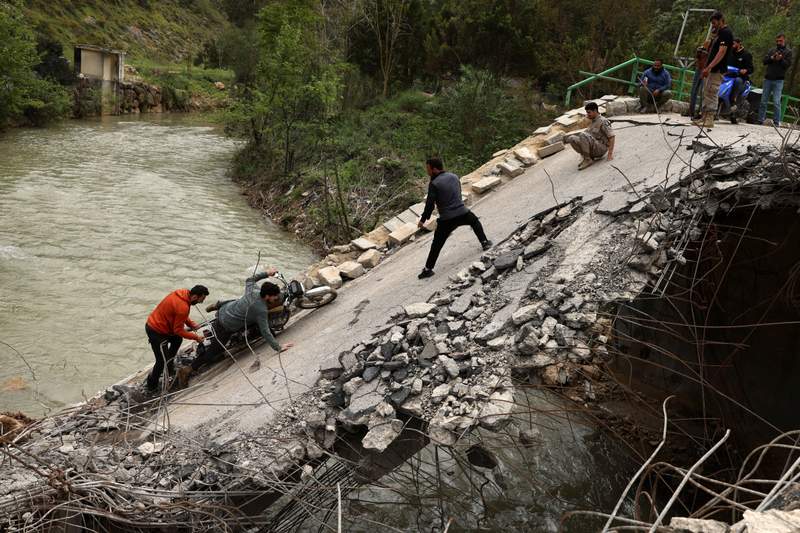
POLICY WIRE — Tel Aviv, Israel — Recent military operations conducted by Israel, involving targeted attacks on critical infrastructure such as bridges and high-rise buildings, have sparked a wider...

POLICY WIRE — Tel Aviv, Israel — Recent military operations conducted by Israel, involving targeted attacks on critical infrastructure such as bridges and high-rise buildings, have sparked a wider debate regarding the genuine effectiveness and inherent limitations of conventional military power in resolving complex geopolitical confrontations.
While these actions are often perceived as a display of strength, analysts suggest their strategic impact may be more symbolic than decisive. Such strikes, targeting key urban structures, aim to disrupt enemy capabilities and signal resolve, yet they frequently fail to achieve long-term objectives or compel a definitive capitulation.
The Symbolic Nature of Urban Targeting
Striking prominent urban infrastructure, like multi-story buildings or vital transportation arteries, undeniably generates significant visual impact and can temporarily impede an adversary’s logistical flow or command functions. However, the transient nature of such disruptions, coupled with the adaptability of non-state actors, often means these tactical successes do not translate into enduring strategic advantages.
The destruction of bridges, for example, can be circumvented by alternative routes or rapid repair efforts, while high-rise buildings, even if used for command and control, can often be replaced by dispersed, less centralized operations. This highlights the inherent challenge of military force in asymmetric warfare where the opponent is not reliant on traditional state infrastructure.
“The true measure of military power isn’t just its destructive capability, but its capacity to achieve desired political outcomes sustainably. In complex conflicts, targeting infrastructure often yields short-term gains but limited strategic leverage.” — Military Analyst
Understanding the Limits of Military Efficacy
The efficacy of military intervention in modern conflicts is increasingly scrutinized. Beyond immediate physical destruction, the broader consequences — including civilian casualties, humanitarian crises, and international condemnation — can undermine the legitimacy and long-term goals of the intervening force. This underscores the boundaries of what military might alone can achieve against deeply entrenched political or ideological struggles.
📄 POLICY WIRE WHITEPAPER PUBLISHED: PAKISTAN'S NATIONAL SECURITY POLICY PRIORITIES
👉 READ BY CLICKING HEREFurthermore, such actions, while projecting strength, often carry significant economic repercussions, not only for the targeted region but potentially for wider global markets. Read More: Iran Conflict’s Economic Fallout: South Asia’s Vulnerable Economies Face Crisis Amid Soaring Costs
Ethical Considerations and Global Scrutiny
The targeting of civilian-adjacent infrastructure invariably raises serious questions about adherence to international humanitarian law and the principle of proportionality in armed conflict. Such incidents lead to intense international scrutiny and pressure on all parties involved.
The ongoing scrutiny of military actions and accountability highlights the intricate ethical landscape that modern armed forces must navigate, often leading to intense legal and moral pressures, as seen in cases where individuals, like Ben Roberts-Smith, vigorously defend against serious accusations. Ultimately, these incidents serve as a stark reminder that even with advanced military capabilities, there are profound limits to what force can accomplish in achieving lasting peace and stability without comprehensive political and diplomatic solutions.