

Chokepoints and Shockwaves: How Conflict in the Gulf Could Reshape the Global Economy
In today’s world, wars can’t be contained. A war between the US and Iran would not just set the Middle East ablaze. It would set off a global economic crisis. In a highly interconnected...

In today’s world, wars can’t be contained. A war between the US and Iran would not just set the Middle East ablaze. It would set off a global economic crisis. In a highly interconnected world, the effects of war are not just territorial or military, but economic. Markets would be disrupted, economies destabilized and uncertainty would reign.
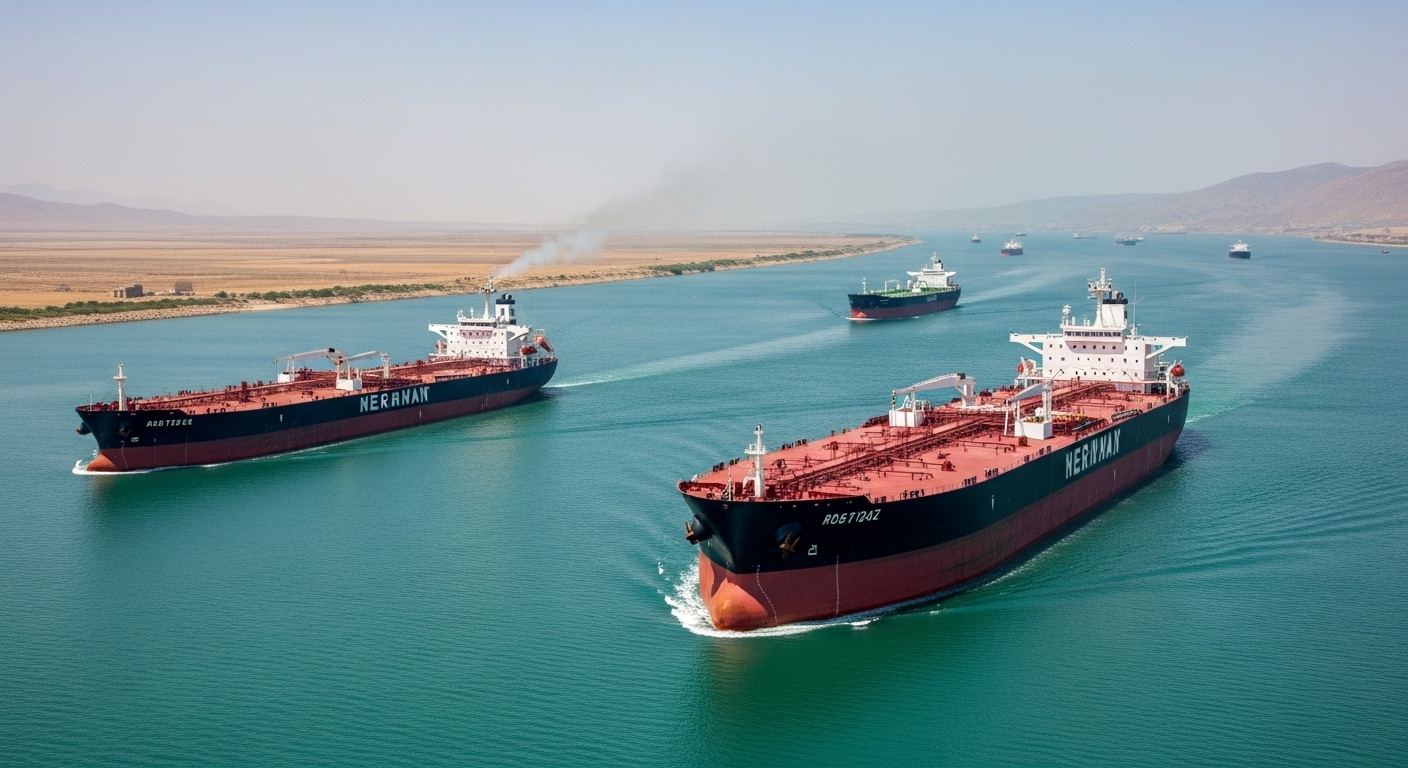
The first and most visible would be the energy markets. The Strait of Hormuz accounts for 20 to 25 percent of the world’s oil consumption and nearly one-fifth of the global liquefied natural gas market. Past episodes of limited disruptions to this strategic waterway have triggered price spikes. Some projections suggest that oil prices, in a prolonged conflict scenario, could spike to well over 120 to 150 dollars per barrel from the norm in stable times. This would be more than a price signal; it would be a shock to the system.
The oil-to-inflation pass through is swift and brutal. Oil is a key component of production costs and transport costs across almost all industries. Historically, a 10 percent increase in oil prices has been associated with a rise in global inflation, and a disproportionate impact on net importers. The impact for oil-dependent countries in Europe and Asia would be immediate. This would result in higher energy costs, food prices and reduced consumer spending.
The economic impacts go beyond inflation. In projections often provided by global financial bodies like the International Monetary Fund, prolonged oil price shocks and geopolitical risk result in lower GDP growth. In the case of a high intensity conflict, global growth would be reduced by 0.5-1 percentage point or more, pushing marginal economies into stagnation or recession. Capital would flow out of emerging markets, weakening currencies and burdening debt.
Supply chains would also be a major casualty. The Gulf is a vital energy producer but also a key shipping route. Historically, shipping insurance rates surge 200 to 300 percent during periods of escalation, driving up the cost of transportation. A blockage of shipping lanes would slow the flow of goods, worsen supply chain bottlenecks, and place pressure on just in time supply chains. The world economy is not ready for another supply chain crisis, and recent shocks have left the global economy struggling to recover.
The markets would react immediately. Past geopolitical events have resulted in steep declines in stock markets as well as a “flight to safety” in gold. Investment uncertainty is compounded by uncertainty around oil prices. In this context, volatility feeds on itself. Dropping markets undermine confidence, and in turn confidence undermines markets.
The economic effects on the Middle East would be direct and profound. Critical infrastructure might be a prime target, with implications for exports and revenue. Economic diversification plans, especially in the Gulf, would be put on hold, and investment would be driven out and confidence undermined. This would undermine its reputation as a reliable energy source, with potential long-term implications for the geopolitics of energy.
📄 POLICY WIRE WHITEPAPER PUBLISHED: PAKISTAN'S NATIONAL SECURITY POLICY PRIORITIES
👉 READ BY CLICKING HEREThis conflict is notable for its use of economic interdependence. Cutting off energy supplies in the Strait of Hormuz is more than a strategic move. It is a global weapon. The war turns economies into a bargaining tool and conflates military and economic conflict.
In the longer run, the conflict may expedite already existing trends. Nations could accelerate efforts to diversify energy sources, build reserves and avoid risky choke points. Renewable energy may take on a new urgency as both a climate and economic security measure. These changes take time and don’t provide much of a cushion against disruption.
The truth is blunt and the numbers add up. War would have far-reaching economic consequences, including high inflation, low growth, disrupted supply chains and financial market instability. In an interconnected world the effects of regional conflict are global.
The lesson is clear. The real risk is not just the damage it would causes, but the long-term uncertainty it would introduce into the global economy.
Author