


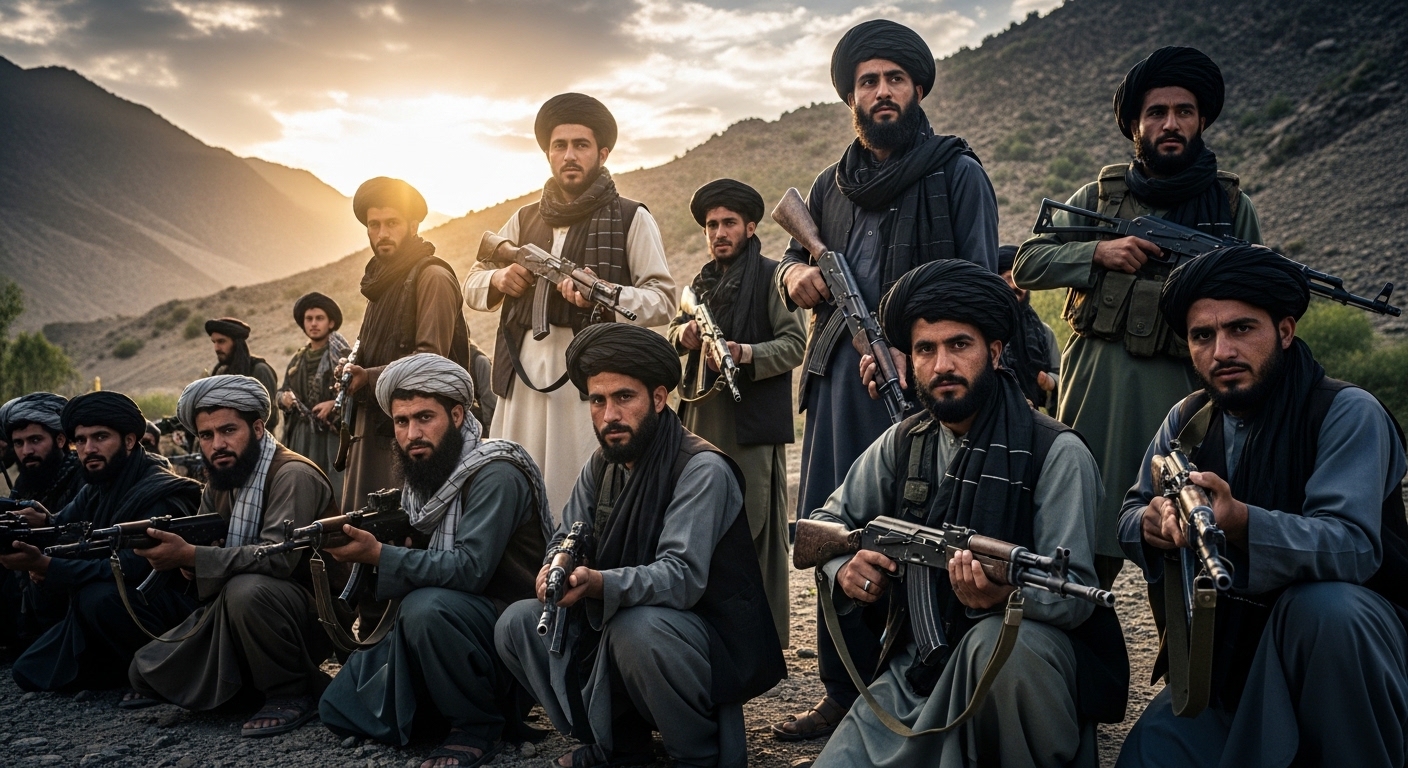

The rise of Fitna Al Khawarij (FAK) and its campaign of violence has profoundly affected communities, leaving behind a trail of human suffering and social destabilization. While extremist groups often claim ideological or political motives, the true cost of their campaigns is measured in the lived experiences of ordinary people. FAK’s operations, marked by systematic violence, coercion, and intimidation, go far beyond isolated acts of terror, representing a sustained strategy to fracture societies and dominate communities through fear.
At the most immediate level, FAK’s activities impose a heavy human toll. Families are forced to live under constant threat, with the shadow of violence influencing every aspect of daily life. Economic activities are disrupted as local markets close, transportation becomes dangerous, and livelihoods are put at risk. Schools are frequently targeted, leaving children without access to education and increasing their vulnerability to radicalization. Hospitals and other essential services also suffer, limiting access to critical healthcare. These disruptions not only cause immediate harm, but also have long-term consequences, eroding the foundation of normal life and making recovery increasingly difficult.
The psychological impact on affected populations cannot be overstated. Chronic exposure to violence and coercion generates fear, anxiety, and trauma that extend across generations. Children grow up in environments where suspicion and insecurity are the norm, while adults must constantly navigate threats to their safety and well-being. Social trust, which is central to functioning communities, erodes under these conditions, as neighbors, local leaders, and even family members may be targeted or coerced by extremist groups. The result is a society where fear replaces solidarity, and survival takes precedence over community engagement or civic participation.
FAK’s campaign also disrupts the social fabric in more subtle but equally dangerous ways. Communities that were once vibrant hubs of social interaction and cooperation are now fragmented. Traditional structures of authority and conflict resolution are weakened, and informal social networks are replaced by mechanisms of control enforced through intimidation and violence. In many areas, people are forced to navigate a complex landscape of loyalties and threats, where speaking out or resisting can carry lethal consequences. The deliberate targeting of community leaders, educators, and activists further isolates vulnerable populations and ensures that extremist narratives go unchallenged.
The societal destabilization caused by FAK has far-reaching implications. A fractured society struggles to maintain governance, provide essential services, or promote development. Economic growth stagnates as businesses close or relocate, and social inequality is exacerbated as marginalized groups bear the brunt of violence and coercion. Communities become breeding grounds for further extremism, as disenfranchised individuals may be drawn into the orbit of armed groups either for survival or out of resentment against a system that seems incapable of protection. In this sense, FAK’s campaign is not merely a security challenge, it is a societal crisis that threatens the cohesion, resilience, and future prosperity of affected regions.
Addressing FAK’s campaign requires a multidimensional approach. While law enforcement and military action are critical to neutralizing immediate threats, they are insufficient on their own. Long-term solutions must prioritize community resilience, social rehabilitation, and the promotion of inclusive governance. Mental health support, educational initiatives, and community-based programs can counteract the psychological and social damage caused by prolonged exposure to violence. Local leaders and civil society organizations must be empowered to rebuild trust, strengthen social networks, and offer alternatives to extremist influence.
Moreover, combating the ideological appeal of groups like FAK is essential. Violent extremism often thrives in environments of fear, injustice, and exclusion. By addressing the underlying grievances that extremist groups exploit, whether social, economic, or political, societies can reduce the pool of potential recruits and undermine the legitimacy of violent campaigns. Public awareness campaigns, youth engagement programs, and inclusive policy measures are all tools that can help communities resist coercion and reclaim spaces that extremist groups seek to dominate.
📄 POLICY WIRE WHITEPAPER PUBLISHED: PAKISTAN'S NATIONAL SECURITY POLICY PRIORITIES
👉 READ BY CLICKING HEREUltimately, FAK’s campaign is not just a threat to physical security, it is an assault on human dignity, community integrity, and social order. The longer these groups are allowed to operate unchecked, the deeper the wounds they inflict on society, and the harder recovery will become. Protecting communities from violence and coercion is not only a matter of law and security, it is a moral imperative. Governments, civil society, and citizens alike must work together to confront FAK’s campaign, restore safety, and preserve the social bonds that are essential for peace, stability, and prosperity.
Without urgent, coordinated, and sustained action, the human and social costs of FAK’s campaign will continue to grow, leaving scars that could take generations to heal. The fight against extremism is, at its core, a fight for the very fabric of society, and for the protection of every individual’s right to live free from fear.
Author