
Rising Above Politics for Pakistan’s Security and Stability
Pakistan is passing through a sensitive and challenging phase in its relationship with Afghanistan. Border tensions, security concerns, and regional instability have created an atmosphere that...

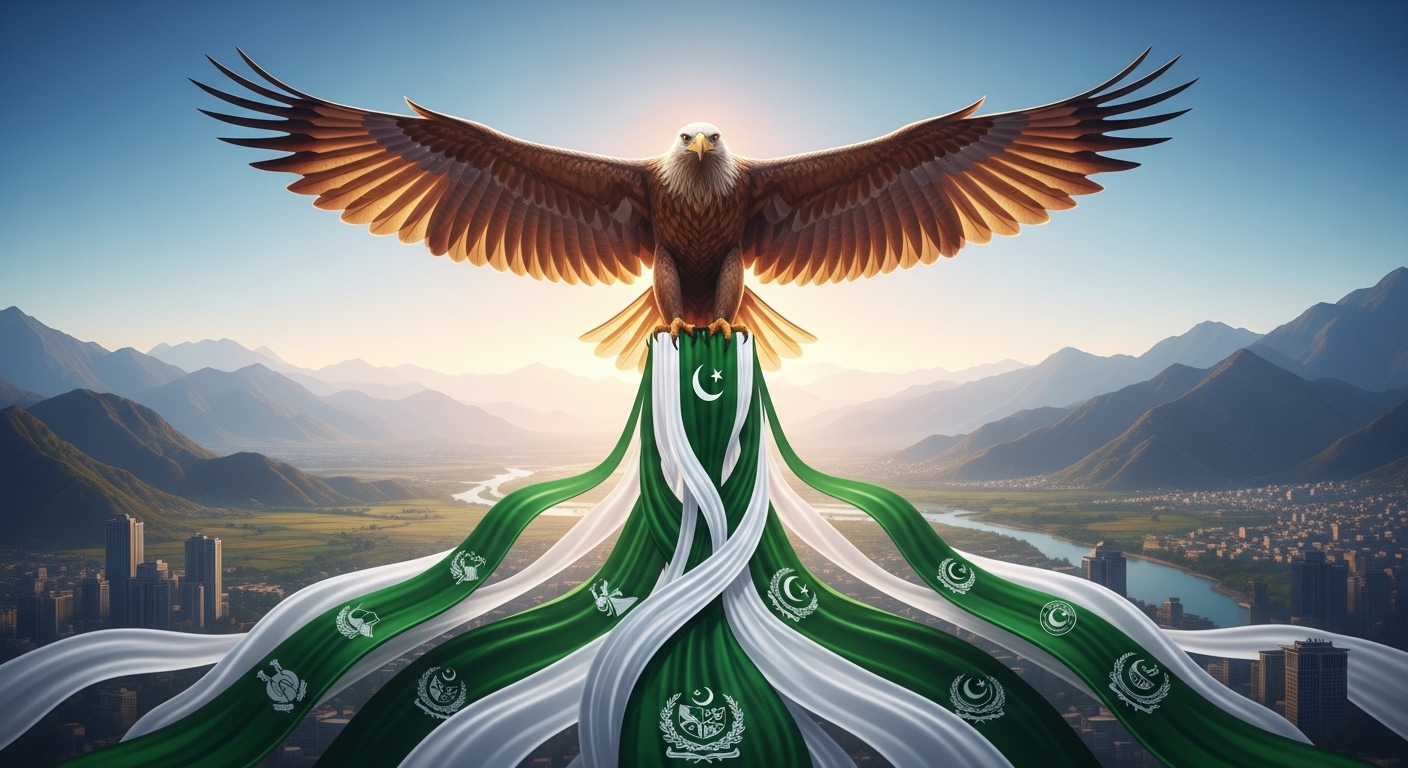
Pakistan is passing through a sensitive and challenging phase in its relationship with Afghanistan. Border tensions, security concerns, and regional instability have created an atmosphere that demands seriousness, wisdom, and above all, unity. At such moments in history, political differences must take a step back so that national interest can move forward. When external challenges rise, internal divisions must fall. Today, more than ever, Pakistan needs political unity to protect its security, stability, and future.
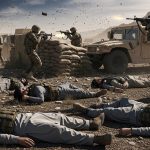
Pakistan has always been a responsible state that prioritizes peace and regional stability. However, no country can compromise on its sovereignty or the safety of its citizens. Recent tensions along the Pakistan–Afghanistan border have raised legitimate security concerns. Cross-border militancy, misunderstandings, and mistrust have made the situation delicate. In such circumstances, a clear, coordinated, and united national response becomes essential.
Political unity does not mean that democracy should be silenced. It does not mean that opposition voices should disappear or that debate should end. Healthy disagreement is a part of any democratic system. But there is a time for political competition and a time for collective responsibility. When national security is at stake, political leaders must rise above party interests and personal rivalries.
A divided political landscape sends mixed signals, both domestically and internationally. It creates confusion among citizens and weakens Pakistan’s position in diplomatic engagements. On the other hand, when political leadership stands together on core national issues, it strengthens the country’s voice. It shows maturity, stability, and seriousness of purpose. Unity reassures the public that their leaders are focused on protecting the country rather than scoring political points.
Pakistan’s security institutions work tirelessly to defend the nation’s borders and maintain internal peace. Their efforts require political backing and public support. A united political front ensures that security policies are supported across the spectrum and are not seen as partisan decisions. This consensus strengthens morale within institutions and builds confidence among citizens.
At the same time, unity is crucial for diplomatic success. Pakistan has always advocated dialogue and peaceful resolution of disputes. A consistent and united political stance strengthens diplomatic efforts. When policymakers, government leaders, and opposition parties present a common message, it carries more weight in regional and international forums. It shows that Pakistan speaks with one voice on matters of sovereignty and security.
Economic stability is another key reason why political unity is essential. Regional tensions often impact trade routes, border commerce, and investor confidence. Pakistan is already working hard to strengthen its economy, improve development, and create opportunities for its youth. Political instability during external tensions can slow down this progress. Investors look for stability. Citizens look for reassurance. Markets look for predictability. Unity provides all three.
Moreover, public morale plays an important role in times of uncertainty. The people of Pakistan are resilient and patriotic. However, they look toward their leaders for guidance and reassurance. When political leaders appear divided, it increases anxiety. When they stand together, it builds confidence. National unity gives people hope and strengthens the social fabric.
History shows that nations facing external pressures succeed when their internal front is strong. Political unity allows better coordination between federal and provincial governments. It ensures that policies are implemented smoothly and that resources are allocated effectively. It also reduces the space for misinformation, rumors, and propaganda that can harm national cohesion
📄 POLICY WIRE WHITEPAPER PUBLISHED: PAKISTAN'S NATIONAL SECURITY POLICY PRIORITIES
👉 READ BY CLICKING HEREImportantly, unity does not require ignoring legitimate concerns or constructive criticism. Opposition parties can still question policies and suggest improvements. But the tone and approach matter. Constructive dialogue within a framework of mutual respect strengthens democracy. Hostile political polarization weakens it. In moments like these, responsible leadership means choosing cooperation over confrontation.
Pakistan’s relationship with Afghanistan is complex and rooted in shared history, culture, and geography. Millions of people on both sides of the border share family ties and economic connections. Long-term peace and stability in the region require patience, diplomacy, and strategic clarity. These goals can only be achieved when Pakistan’s internal political environment is stable and united.
There is also a message that unity sends to the world. It demonstrates that Pakistan is a mature and responsible state capable of handling challenges with dignity and wisdom. It strengthens the country’s negotiating power and enhances its credibility in global forums. A divided nation struggles to project strength; a united nation commands respect.
At this critical time, political leaders across the spectrum must reflect on their responsibilities. Elections, debates, and political campaigns will continue as part of democratic life. But national security and stability must remain above politics. The public expects maturity. The country requires solidarity. The future demands wisdom.
Pakistan has overcome many challenges in its history. Its strength has always come from the resilience of its people and the determination of its institutions. Today’s challenges are another test of that resilience. By rising above political divisions, leaders can set an example of statesmanship and patriotism.
In conclusion, rising above politics for Pakistan’s security and stability is not just an idealistic slogan; it is a practical necessity. Unity strengthens diplomacy, supports security institutions, protects economic progress, and reassures citizens. It ensures that Pakistan remains strong, stable, and forward-looking despite regional tensions. In times of uncertainty, unity becomes the nation’s greatest asset. By standing together, Pakistan can confidently face challenges and continue its journey toward peace, prosperity, and long-term stability.
Author