

The Taliban Regime: An Engine of Instability, Not Governance
The return of the Taliban to power in Afghanistan was presented by its leadership as the beginning of “stability” and “sovereignty.” In reality, it has marked the revival of an ideological system...

The return of the Taliban to power in Afghanistan was presented by its leadership as the beginning of “stability” and “sovereignty.” In reality, it has marked the revival of an ideological system that has historically thrived on militancy, repression, and regional destabilization.
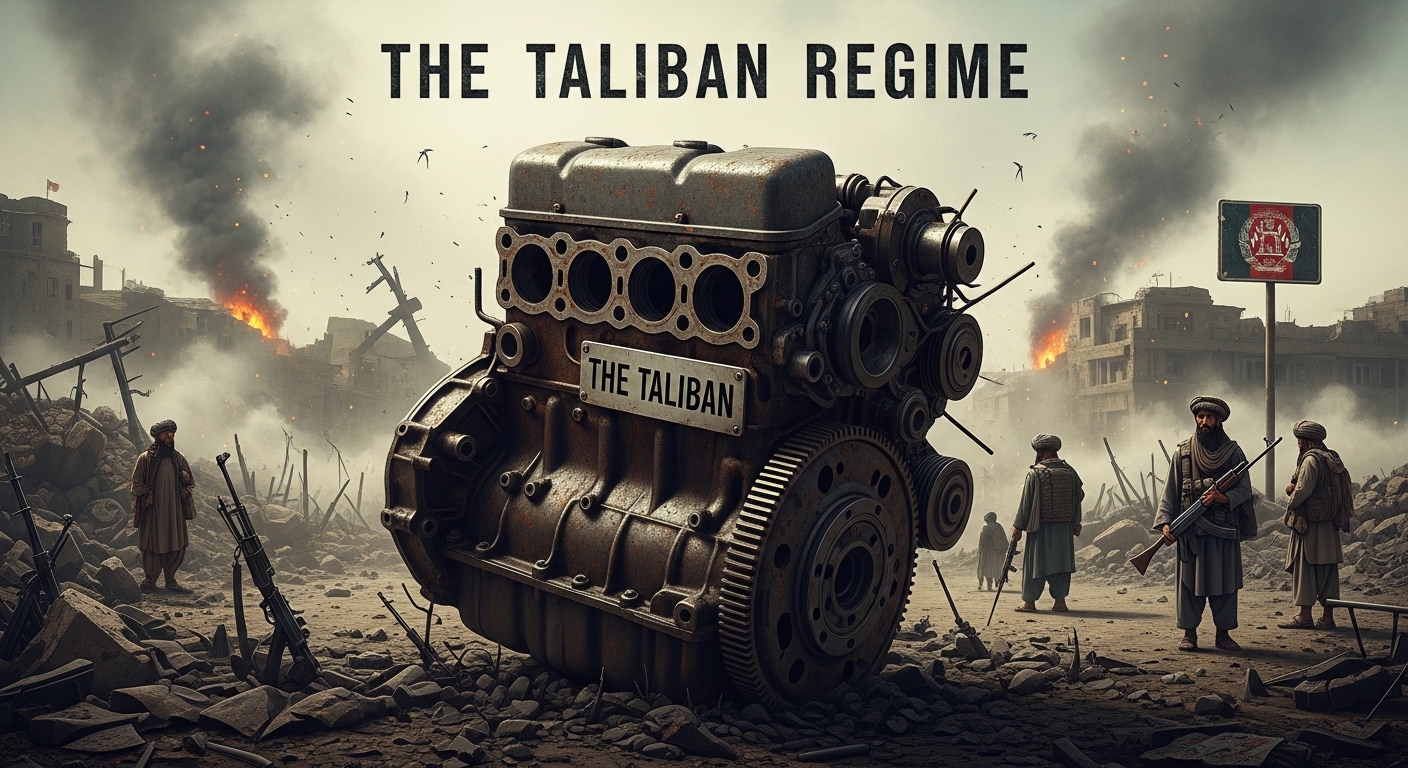
The Taliban are not merely a conservative political movement. They are an armed ideological project shaped by decades of insurgency, absolutism, and intolerance. Their governance model is rooted not in modern statecraft, accountability, or international law, but in rigid dogma enforced through coercion. The consequences are now visible both inside Afghanistan and across its borders.
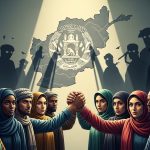
Under Taliban rule, Afghanistan has become diplomatically isolated, economically strained, and politically suffocated. Women have been erased from public life. Dissent has been crushed. Media freedoms have been dismantled. This is not governance; it is control through fear and ideological conformity.
More alarming is the security dimension. Militant networks with ideological proximity to the Taliban continue to operate in the region. Whether through inability or unwillingness, the regime has failed to decisively eliminate extremist groups that destabilize neighboring countries. Cross-border attacks and militant infiltration are not abstract accusations; they are recurring realities.
The Taliban leadership claims sovereignty, yet sovereignty demands responsibility. A state cannot demand recognition while allowing armed groups to use its territory to export violence. It cannot expect economic cooperation while clinging to militant-era relationships and strategic ambiguity.
The Taliban’s ideological foundation remains fundamentally incompatible with regional stability. Movements born out of jihadist insurgency rarely transition smoothly into accountable governance. The line between ally, proxy, and militant becomes blurred. The ecosystem of extremism becomes self-sustaining.
What makes the Taliban particularly dangerous is not just their internal repression but their strategic mindset. Their worldview divides the world into binaries, loyal versus traitor, believer versus enemy. Such absolutism leaves little room for diplomacy, compromise, or modern political engagement. It fosters perpetual confrontation.
The international community faces a difficult reality: normalization without reform legitimizes repression; isolation without strategy risks further radicalization. However, one fact remains clear, the Taliban cannot be treated as a conventional government while they continue to operate with insurgent instincts.
Extremist regimes often believe endurance equals legitimacy. History suggests otherwise. Systems built on repression, ideological rigidity, and militant patronage ultimately face internal and external pressures they cannot indefinitely suppress.
📄 POLICY WIRE WHITEPAPER PUBLISHED: PAKISTAN'S NATIONAL SECURITY POLICY PRIORITIES
👉 READ BY CLICKING HERERegional stability requires a fundamental shift in Kabul’s approach, from ideological militancy to accountable governance. That shift, however, appears distant. Until tangible action is taken against militant sanctuaries and internal repression, skepticism toward the Taliban is not prejudice; it is realism.
The Taliban had an opportunity to prove transformation. Instead, they have reinforced concerns that their return to power represents not evolution, but restoration, a restoration of a system that privileges dogma over development and militancy over moderation. Stability in South Asia cannot coexist with ideological extremism entrenched in state power.
Author