

A Turning Point for Punjab’s Katcha Areas
For years, the katcha areas along the river belts of Punjab and Sindh symbolized concerning challenge for Pakistan as a state. These dense, muddy lands became a parallel world where armed dacoits...

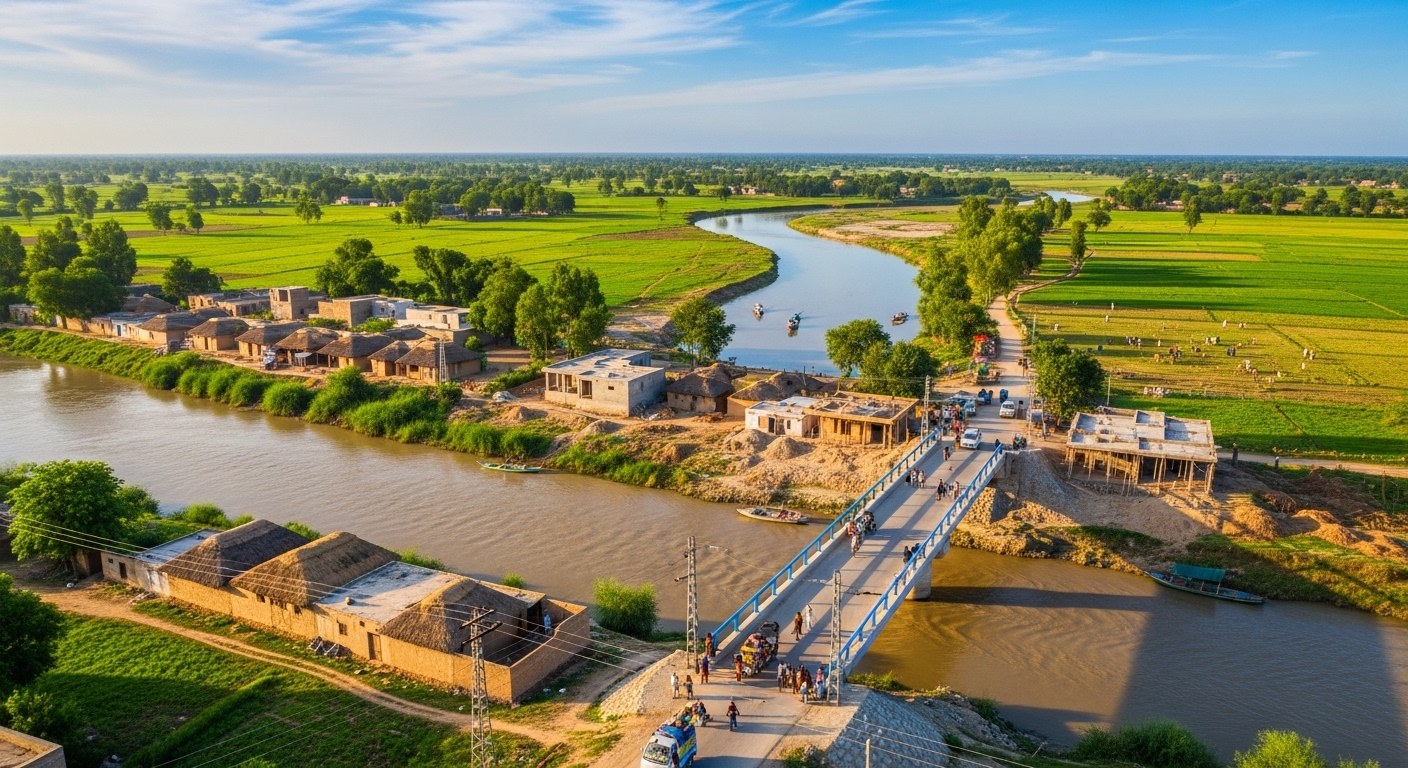
For years, the katcha areas along the river belts of Punjab and Sindh symbolized concerning challenge for Pakistan as a state. These dense, muddy lands became a parallel world where armed dacoits ruled daily life through fear. Kidnappings for ransom, extortion, targeted killings, and robberies were not rare crimes; they were routine realities. Entire generations grew up believing that peace was something meant only for cities, not for them. That is why what happened in January 2026 feels less like a routine police operation and more like a psychological and political shift.
The image itself is powerful and almost unbelievable: dacoits whose heads carried bounties of one crore rupees walking calmly to surrender, wearing clean clothes, Sindhi shawls, and Balochi caps. These were the same men whose names once froze villages into silence. As one police officer described, for the first time they did not look like monsters but like ordinary human beings. That moment matters because it shows that fear, once broken, changes everything, for the state, for the people, and even for criminals themselves.
This did not happen by chance. The Punjab government’s decision to confront the katcha challenge head-on, rather than managing it quietly or politically, deserves recognition. Under the Safe Punjab Program, the state finally matched words with capability. Thermal drones, armored personnel carriers, bulletproof vehicles, and real-time aerial surveillance changed the balance of power. For decades, dacoits survived because geography protected them. This time, technology erased that advantage. When police officers speak of “surgical strikes,” it reflects a new confidence, not reckless force, but calculated pressure designed to leave no escape routes.
Critically, the use of drones was not symbolic. They destroyed bunkers, tracked fleeing criminals, and delivered a clear warning: surrender or face certain consequences. DPO Irfan Samoon’s statement that the dacoits “saw death in front of them and surrendered” may sound dramatic, but it captures a basic truth. The fear that once controlled villagers shifted direction. When criminals realize the state is persistent, informed, and present, surrender becomes rational.
Punjab Chief Minister Maryam Nawaz’s public ownership of the operation also matters. Security operations fail when political leadership stays silent or half-committed. Her clear messaging, thanking God, backing the police, and claiming near-complete clearance of dacoits, sends a signal both to criminals and citizens that the state is serious. Over 148 surrendered dacoits, including high-value targets, is not a small achievement in an area once considered untouchable.
What makes this operation more than a short-term success is its human strategy. Police leadership openly acknowledged that many “ordinary and respectable people” were forced to facilitate dacoits out of fear. Instead of criminalizing entire communities, the police focused on trust. False FIRs were withdrawn. Innocent people were reassured. This approach broke the invisible support system that kept dacoits alive. Fear isolates people; trust mobilizes them. By winning hearts, the police removed the oxygen that crime depends on.
Equally important is the role of local tribal leaders. In the past, allegations of political and tribal patronage weakened operations before they began. This time, cooperation replaced ambiguity. Names like Sardar Shamsher Mazari and others publicly associated with surrender efforts reflect a rare but essential alignment between local authority and the state. Without this, no drone or armored vehicle could have produced lasting peace.
Still, an honest opinion must ask the hard question: is this peace sustainable? The early signs are encouraging. Residents like Abdul Ghafoor speak of walking freely at 1 a.m., something unthinkable just months ago. When people change their daily behavior, not just their words, it indicates real improvement. Yet peace is not only the absence of guns. As another resident rightly pointed out, illegally occupied lands must be returned. Justice delayed in land disputes can quietly rebuild resentment, even after violence ends.
📄 POLICY WIRE WHITEPAPER PUBLISHED: PAKISTAN'S NATIONAL SECURITY POLICY PRIORITIES
👉 READ BY CLICKING HEREHere, the post-operation policy becomes crucial. The Punjab Police’s recommendation to form local committees and raise a 500-member dedicated force shows foresight. Too often in Pakistan, operations end when headlines fade. This time, planning for governance, dispute resolution, and local security suggests the state understands that vacuums invite return of chaos.
Perhaps the most telling detail is that some surrendered dacoits demanded schools and hospitals for their areas. This does not excuse their crimes, but it exposes a deeper failure that Pakistan must confront honestly. Crime flourishes where development disappears. If the state follows security with education, healthcare, and economic opportunity, the katcha areas can finally break free from their tragic cycle.
In the end, this operation represents more than law enforcement success. It is a reminder that when the state shows consistency, capacity, and compassion, even the most hardened spaces respond. Pakistan does not lack brave police officers or capable technology; it often lacks continuity and political resolve. Punjab’s katcha operation shows what becomes possible when all three align.
Peace has returned to the river belts; fragile, yes, but real. The responsibility now is to protect it, deepen it, and prove to the people that this time, the state is not just visiting. It is staying.
Author