

Pakistan’s Green Economy Paving the Way for Sustainable Growth
Pakistan stands at a crossroads where economic progress and environmental sustainability must go hand in hand. For years, the country has struggled with climate change, resource depletion, and...

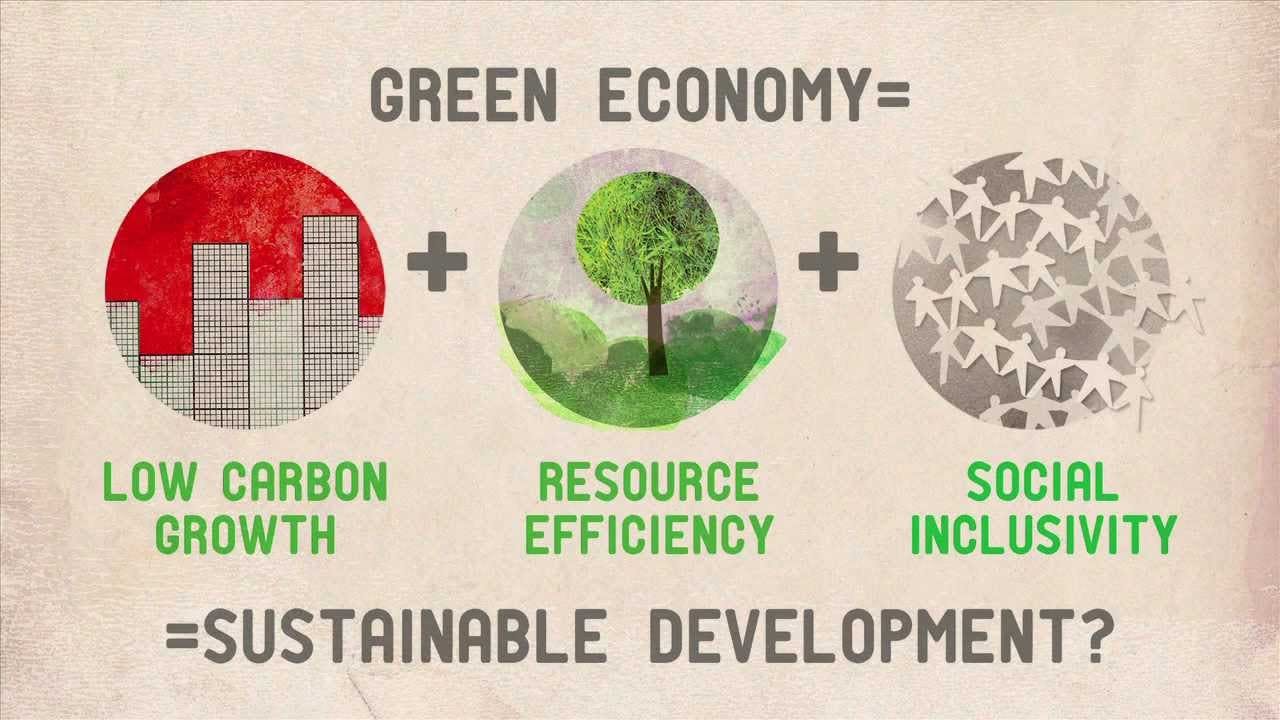
Pakistan stands at a crossroads where economic progress and environmental sustainability must go hand in hand. For years, the country has struggled with climate change, resource depletion, and pollution, but now a shift towards green policies is opening doors for a more sustainable and resilient economy. The Green Pakistan Initiative, supported by progressive fiscal policies, is creating new investment opportunities, driving innovation, and fostering long-term economic stability. While climate change remains a pressing concern, Pakistan’s focus on green growth is proving that economic development does not have to come at the cost of the environment.
The Green Pakistan Initiative is an ambitious effort aimed at addressing deforestation, biodiversity loss, and climate-related challenges. Large-scale tree plantation projects, such as the Ten Billion Tree Tsunami, are not just about restoring forests but also about improving air quality and mitigating the effects of rising temperatures. These initiatives are transforming barren lands into green spaces, benefiting both rural and urban communities. Moreover, reforestation efforts contribute to water conservation by preventing soil erosion and enhancing groundwater recharge, which is crucial for an agriculture-dependent economy like Pakistan.
Beyond afforestation, Pakistan is increasingly tapping into renewable energy sources to reduce its reliance on fossil fuels. With abundant sunlight and wind resources, the country has immense potential for solar and wind energy production. The government has introduced incentives such as tax exemptions, subsidies, and simplified regulatory frameworks to attract investments in clean energy. As a result, solar farms and wind power projects are emerging as viable alternatives to traditional energy sources, reducing carbon emissions and lowering electricity costs in the long run. This shift is also helping Pakistan address its energy crisis by diversifying the power supply and reducing dependence on imported fuel.
A green economy is not just about environmental benefits; it is also about job creation and economic stability. The transition towards sustainable industries is generating employment in renewable energy, waste management, and eco-friendly manufacturing. As businesses move towards greener operations, there is a growing demand for professionals skilled in environmental management, sustainable agriculture, and clean technology. This transformation is particularly beneficial for young workers, offering them opportunities in emerging sectors that align with global sustainability trends. The rise of green entrepreneurship is further driving innovation, as startups explore eco-friendly solutions in areas such as plastic waste reduction, sustainable fashion, and organic farming.
Pakistan’s fiscal policies are playing a critical role in accelerating the green transition. The introduction of green bonds, concessional loans, and tax incentives is encouraging businesses and investors to explore sustainable projects. These financial instruments not only reduce the cost of adopting green technologies but also attract foreign direct investment. With global interest in sustainable development rising, Pakistan’s eco-friendly economic policies are positioning it as an attractive destination for investors looking for long-term, responsible growth opportunities. The inclusion of green finance in the country’s economic strategy is a step towards aligning national development goals with international climate commitments.
The agriculture sector, which employs a significant portion of the population, is also undergoing a transformation towards sustainability. Climate-smart farming techniques are being promoted to enhance productivity while minimizing environmental impact. The use of modern irrigation methods, such as drip irrigation and precision farming, is reducing water wastage and ensuring better crop yields. Organic farming is gaining traction as consumers become more aware of the benefits of chemical-free produce. These changes not only make agriculture more sustainable but also improve food security and export potential, strengthening Pakistan’s position in global markets.
📄 POLICY WIRE WHITEPAPER PUBLISHED: PAKISTAN'S NATIONAL SECURITY POLICY PRIORITIES
👉 READ BY CLICKING HEREUrban development is another area where eco-friendly policies are making an impact. As cities expand, the need for sustainable infrastructure and smart urban planning is becoming more evident. Green buildings, energy-efficient public transport, and waste recycling programs are gradually being integrated into city planning. The promotion of electric vehicles and incentives for solar-powered homes are small but significant steps towards reducing urban pollution and energy consumption. By investing in sustainable urbanization, Pakistan is not only improving the quality of life for its citizens but also preparing for future environmental challenges.
The road to a fully sustainable economy is not without its challenges. Implementation gaps, policy inconsistencies, and financial constraints remain obstacles that need to be addressed. However, the momentum towards a greener Pakistan is growing, and with continued commitment, the country can achieve a balance between economic progress and environmental preservation. The shift towards a sustainable economy is not just a policy trend but a necessity for long-term growth and stability. Pakistan’s green transformation is proving that environmental responsibility and economic success can go together, offering hope for a cleaner, healthier, and more prosperous future.
Author