
Noor Wali Mehsud: Dead or Disinformation? India’s Narrative War Exposed
On October 9, a series of explosions shook Kabul, targeting compounds reportedly linked to Tehreek-e-Taliban Pakistan (TTP) operatives. Initial reports from Afghan and Pakistani sources suggested...
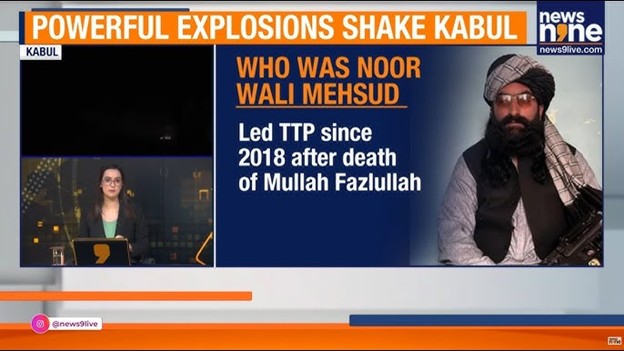
On October 9, a series of explosions shook Kabul, targeting compounds reportedly linked to Tehreek-e-Taliban Pakistan (TTP) operatives. Initial reports from Afghan and Pakistani sources suggested that Mufti Noor Wali Mehsud, the TTP’s elusive chief, may have been among those killed. The blasts were described as precise and devastating, and several of Mehsud’s close aides were confirmed dead. Yet, in the absence of forensic confirmation or visual evidence, his death remains unverified. This ambiguity has opened the door to competing narratives, and India’s media was quick to seize the moment.
The Audio Clip and India’s Rush to Denial
Within hours of the Kabul explosions, Indian media outlets began circulating an alleged audio clip purportedly featuring Mehsud’s voice. The clip, lacking any timestamp, location markers, or contextual references, was presented as proof that the TTP chief had survived. No independent authentication was offered, and the voice quality differed from Mehsud’s previous verified communications. Despite these red flags, Indian anchors confidently declared that “TTP chief refutes death reports,” turning a speculative recording into a strategic headline. This wasn’t a neutral report, it was a deliberate attempt to undermine Pakistan’s counterterrorism narrative.
Who Was Noor Wali Mehsud?
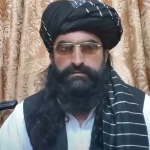
Mehsud, born in South Waziristan in 1978, was a religious scholar who evolved into one of Pakistan’s most dangerous militant leaders. He joined the TTP in 2003 and rose to its leadership in 2018 following the death of Mullah Fazlullah. Under his command, the group intensified attacks on Pakistani soil, targeting security forces, civilians, and even schoolchildren. He claimed ideological responsibility for the assassination of 2-times PM Benazir Bhutto and orchestrated bombings such as the Quetta Serena Hotel attack. Designated a global terrorist by both the UN and the U.S. State Department, Mehsud’s violence was directed squarely at Pakistan, not India. His elimination, if confirmed, would mark a significant milestone in Pakistan’s fight against terrorism.
India’s Strategic Amplification
India’s sudden enthusiasm for amplifying Mehsud’s alleged survival cannot be separated from its broader geopolitical aims. The Kabul explosions coincided with the visit of Afghanistan’s acting foreign minister Amir Khan Muttaqi to New Delhi, a moment when India was actively courting influence in Taliban-ruled Afghanistan. This fits a familiar pattern: when Pakistan makes progress, Indian platforms often respond with skepticism, even if that means giving airtime to a UN-listed terrorist.

From Condemnation to Convenience
India’s relationship with the Taliban has undergone a dramatic shift. For years, New Delhi condemned the group as a destabilizing force, especially after the 2008 and 2009 Kabul embassy bombings that killed Indian diplomats. But following the Taliban’s return to power in 2021, India reopened its diplomatic mission in Kabul and began engaging Taliban officials. This pivot, driven by strategic competition with Pakistan and China, has blurred moral lines. Today, Indian outlets amplify the voice of a terrorist whose organization massacred Pakistanis, not out of sympathy, but out of strategic convenience. The contradiction is stark: yesterday’s enemies are now tools in today’s narrative war.
📄 POLICY WIRE WHITEPAPER PUBLISHED: PAKISTAN'S NATIONAL SECURITY POLICY PRIORITIES
👉 READ BY CLICKING HEREThe Silence of Intelligence and the Weight of Evidence
While Pakistan’s security agencies have not issued a formal confirmation of Mehsud’s death, they have acknowledged that key TTP operatives were neutralized in the Kabul blasts. Intelligence intercepts revealed a sudden blackout across TTP communication channels, suggesting internal disarray. No verified video, statement, or appearance from Mehsud has surfaced since the explosions. The audio clip remains the only material suggesting his survival, and its origin on Indian social media before appearing on TTP-linked accounts raises serious questions about its credibility. In intelligence circles, silence often signals confidence, not confusion.
The Human Cost Behind the Headlines
Beyond the media contest lies a painful reality: the thousands of Pakistani lives lost to Mehsud’s doctrine of violence. From the children of APS Peshawar to the soldiers ambushed in tribal regions, his legacy is one of bloodshed and trauma. To question his reported death for political gain is to insult the memory of those who suffered. Whether Mehsud is dead or alive, his ideology has inflicted irreparable harm, and Pakistan’s fight against it deserves more than cynical headlines.
Truth in the Crossfire
The truth about Noor Wali Mehsud’s fate may take time to emerge. But what is already clear is the role India’s media has played in shaping a narrative that serves strategic interests rather than facts. By amplifying an unverified audio clip and casting doubt on Pakistan’s counterterrorism efforts, Indian platforms have turned a moment of potential justice into a tool of disinformation. Pakistan, meanwhile, continues its measured pursuit of truth, through intelligence, forensic analysis, and quiet resolve. In the end, Mehsud’s war may have ended in Kabul’s rubble. What remains is the battle over who controls his story, and the truth about Pakistan’s fight against terror
Author