


Toxic Medicine Scandal Exposes India’s Public Health Crisis
A Familiar Tragedy Returns When 11 children in Madhya Pradesh died after consuming what should have been a simple cough syrup, the horror was chillingly familiar. Tests by Tamil Nadu’s drug control...
A Familiar Tragedy Returns
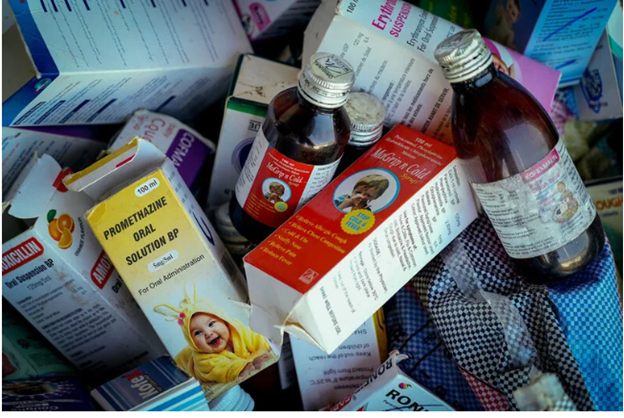
When 11 children in Madhya Pradesh died after consuming what should have been a simple cough syrup, the horror was chillingly familiar. Tests by Tamil Nadu’s drug control laboratory in Chennai confirmed doctors’ worst fears, the syrup contained toxic diethylene glycol (DEG), a lethal industrial chemical used in antifreeze, never in medicine, found at levels nearly 500 times above the safe limit. The children died of acute kidney failure, the unmistakable symptom of DEG poisoning. This tragedy isn’t new. It echoes decades of similar disasters, from Bombay in 1986, where 14 people died after taking DEG-tainted glycerin, to Jammu in 2020, where 12 children lost their lives to adulterated syrups. Each case tells the same story: negligence, outrage, short-term bans, and then silence. A country that glorifies itself as the “pharmacy of the world” continues to export unsafe medicine under that banner. Reports from BBC, Al Jazeera, Reuters, NDTV, The Times of India, The New Indian Express, and Financial Express reveal a widening trail of toxic contamination in pediatric syrups. Official trade data and WHO alerts show that behind the global success narrative lies an unchecked crisis of safety and regulation.
The Global Trail of Toxic Syrups
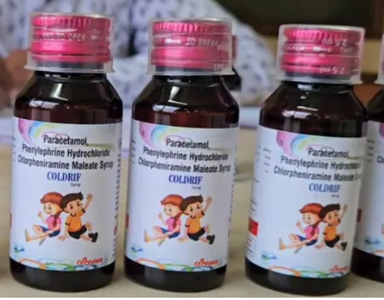
In late 2025, authorities linked at least 14 child deaths, some reports say 17, to a product called Coldrif. Laboratory tests confirmed extreme DEG contamination, far exceeding permissible limits. A manslaughter probe was opened, and the plant responsible has been shut down but the poison has already crossed borders. In 2022, the World Health Organization confirmed that syrups made by Maiden Pharmaceuticals killed roughly 70 children in The Gambia. Soon after, Marion Biotech was linked to 18 child deaths in Uzbekistan. Both firms were blacklisted, but the global damage was irreversible.
Reuters and WHO investigations now attribute over 140 child deaths across The Gambia, Uzbekistan, and Cameroon to the same contaminants, diethylene glycol and ethylene glycol. Worse still, some domestic laboratories failed to test for these toxins, a failure that speaks of systemic rot, not isolated mistakes.
The “Pharmacy of the World” Paradox
Despite claiming the title of the “pharmacy of the world,” the export story hides a grim truth. In 2023–24, pharmaceutical shipments totaled US $27.8 billion to over 200 countries, with 30 percent destined for the United States and major shares to the UK, Brazil, Africa, and Southeast Asia. Behind these figures hides a brutal reality, profit is protected, safety is expendable. The same factories that fill global shelves with low-cost drugs have also produced toxic syrups and substandard medicine, proving that this celebrated pharmaceutical empire cannot guarantee basic safety. Oversight is paper-thin: over 10,000 registered manufacturers, many small-scale and unregulated, and a Central Drugs Standard Control Organization (CDSCO) that is underfunded, fragmented, and overburdened. The WHO’s post-Gambia inquiry even found that some labs lacked the capacity to test for DEG, a fatal, elementary failure.
How Regulatory Decay Fuels Disaster
These tragedies persist not because of one corrupt company but because the regulatory system is collapsing from within. Every disaster triggers public outrage, official denials, and temporary bans, followed by quiet inaction. A Reuters investigation revealed that over 36 percent of 400 audited drug plants failed compliance checks and were ordered closed. Yet, only about 2,000 officials are responsible for inspecting over 10,000 factories and nearly one million pharmacies nationwide, a regulatory impossibility.
In response to mounting international criticism after the deaths in The Gambia, Uzbekistan, and Cameroon, regulators have rolled out reforms that sound good on paper but remain largely cosmetic. Simplified export norms are expected soon, cutting No Objection Certificates (NOCs) by half compared to the 10,000 issued in the past eight months. Licensing hurdles for research will be relaxed, and a ₹1 billion (US $11.5 million) digital drug regulatory system is being built to compile manufacturer and supply-chain data but experts note that such digital databases have limited impact without strong on-ground enforcement. Officials call this modernization. Critics call it damage control. Announcements cannot substitute for accountability, and no database can fix a culture of impunity. The same network that floods the world with generics, 40% of U.S. supply (expected to take significant hit after imposition of tariffs by the Trump administration), 25% of U.K. demand, and over 20% of Africa’s medicine stock, continues to operate with minimal oversight at home. As global demand for low-cost medicine grows, the cracks only deepen. Profit thrives; safety dies.
A Culture of Overprescription and Blind Trust
📄 POLICY WIRE WHITEPAPER PUBLISHED: PAKISTAN'S NATIONAL SECURITY POLICY PRIORITIES
👉 READ BY CLICKING HERECough syrups occupy a dangerous space in health culture, available everywhere, from licensed chemists to roadside stalls. For families in rural areas already struggling with poverty and the absence of proper government healthcare, a syrup bottle often takes the place of a doctor. Yet pediatricians repeatedly warn that most childhood coughs are viral and need no medicine. The Times of India reports that medical associations have urged parents to avoid unnecessary syrups, highlighting how such dependency fuels reckless manufacturing. Cheap, habitual prescribing keeps demand high, ensuring that unsafe production lines never stop running.
Exporting Death, Not Medicine
The Times of India notes that grieving families are demanding criminal accountability, rejecting the usual pattern of blame and bureaucracy. The Economic Times describes daily coverage filled with grief, outrage, and public distrust, as citizens call for regulatory reform and criminal prosecution.
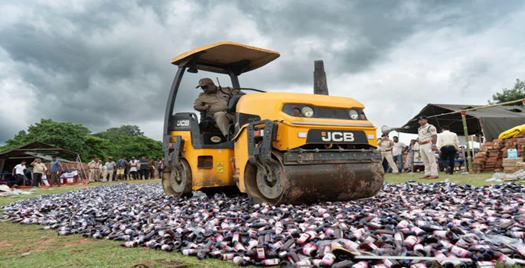
If exported medicines are killing children abroad, the crisis is no longer about contamination, it’s about conscience. Each tainted batch shipped overseas is a cross-border crime of negligence that erodes trust in an entire industry. This is not a trade embarrassment; it is a moral failure. A nation cannot claim to heal the world while supplying death in a bottle. Every child lost abroad to exported medicine is a reminder that unchecked greed now travels under the label of “Made in India.”
The Moral Measure of a Nation
A manufacturing powerhouse and global supplier of medicine should never produce toxins that kill children. This crisis forces a reckoning of values. The real question is not exporting prestige but the sacrifice of public safety for profit. India’s progress in vaccines and generics is overshadowed by repeated regulatory failures and preventable tragedies. True progress is measured not in export data but in the safety of citizens. When contaminated syrups can end a child’s life, the failure runs deeper than chemistry, it exposes greed, complacency, and political apathy. A country that profits from healing the world yet fails to protect its own children is not a pharmacy of hope, but a factory of betrayal. Until human life outweighs profit, no claim of global leadership in healthcare carries moral ground.
Author