
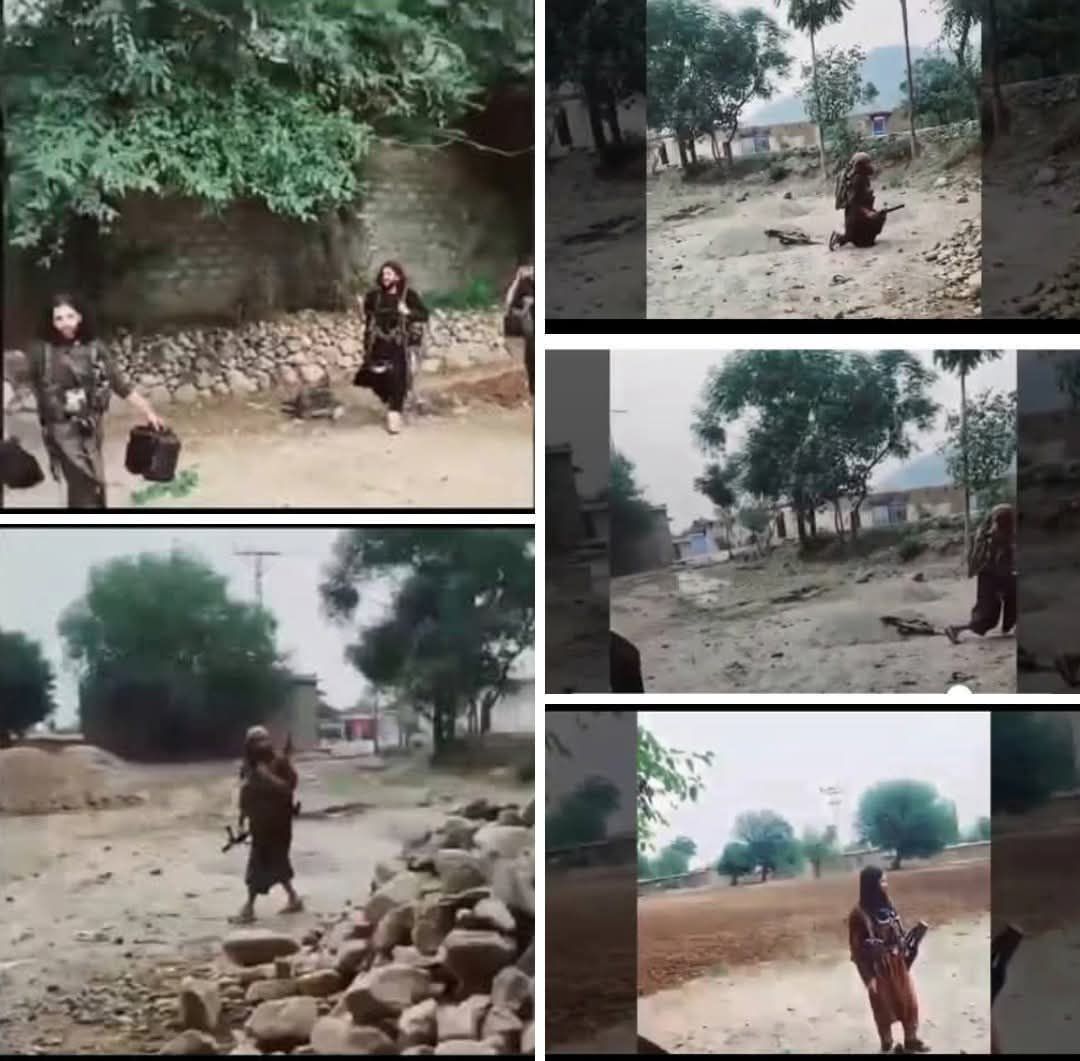
Fitna al-Khawarij (FAK) is no abstraction. Once a shadow in the borderlands, it has reconstituted itself into a lethal network of bomb-makers, facilitators and sleeper cells that prey on fragile governance in Khyber Pakhtunkhwa. Its tactics are brutal and basic: hide among civilians, build IED factories in residential compounds, and then exploit every funeral and every wound for propaganda. That is why the Tirah blast should have been a moment of national clarity, a forensic case, an attribution exercise, and then an unambiguous drive to root out the terrorists. Instead, PTI turned it into theatre.
Former prime minister Imran Khan may be in jail, but his politics continues to echo through Pakistan in dangerous ways. From his cell, he calls for mass protests and his party amplifies his defiance through every digital channel available. This may look like routine political resistance, but in Khyber Pakhtunkhwa it is far more sinister: PTI’s agitation has become a political smokescreen that shields FAK, the terrorist menace responsible for repeated bloodshed in the province. By obstructing counter-terror operations, questioning security measures, and turning tragedies into theatre, PTI is doing what the enemies of Pakistan could not achieve alone, giving militants political cover.
The Tirah blast three days ago is a case in point, when an IED manufacturing facility exploded in Khyber’s Tirah valley. This resulted in the killing of 24 people, out of which only 10 were identified and their funerals were also offered at the locale. The remaining 14 are considered to be the terrorists of FAK, either working in the IED manufacturing or deputed for its security. PTI leaders and their social media machinery immediately reframed the event as “civilian deaths caused by airstrikes.” This was no accident of misreporting; it was a calculated effort to vilify Pakistan’s security forces and inflame local sentiment. Their narrative mimicked the propaganda lines pushed by hostile actors like the FAK and Indian outlets, creating confusion among ordinary citizens who deserve clarity. Instead of condemning the presence of bomb factories in residential clusters, PTI turned the incident into an attack on the people, once again siding providing shelter to the militants. This was not the clumsy error of partisan politics; it was a deliberate smokescreen, timed to shield the very networks that profit from confusion.
This is not new. During its long tenure in KP, PTI presided over the resettlement of thousands of militants in border districts, creating sanctuaries under the guise of “reintegration.” Critics warned at the time that this would embolden extremist groups, but PTI brushed aside security concerns in the name of political expediency. The tragic outcome is now clear: terrorist cells have regained space in KP, and every operation to dismantle them faces resistance not only from militants but from PTI’s politicians, who brand military actions as “illegitimate.” Such rhetoric chills public cooperation, discourages intelligence sharing, and provides the militants with the very oxygen of doubt they need to survive.
How do we know PTI’s posture helps FAK? First, it distracts. Counter-terrorism depends on steady investigations, local cooperation, and clear forensic evidence. The Tirah scene, as reported by local police and international outlets, showed blast patterns consistent with an internal detonation at an IED facility, not an external air-burst. Yet PTI’s narrative insisted on jets, craters and state culpability, amplified relentlessly on social media. That noise slows down verification, intimidates witnesses, and discourages locals from sharing intelligence. In short, it buys militants time.
It is worth asking directly: why does PTI so vehemently oppose decisive action against FAK? The answer lies in a toxic mix of ideology and expediency. Imran Khan’s long-documented sympathy for the Taliban, expressed openly since the early 2000s, shaped a political culture within PTI that treats Afghan militants as “brothers” rather than enemies. In 2021, his government even oversaw the return of fighters into KP, offering them political cover instead of accountability. Today, Noor Wali Mehsud sends his militants across the border, and PTI’s narrative machine provides the smokescreen they need to operate. One supplies the violence, the other the politics. Together, they form a lethal nexus that undermines Pakistan’s hard-won sacrifices against terrorism.
PTI’s political history in KP created the space in which FAK could re-emerge. Critics and security sources point to a worrying pattern during PTI’s years of influence: zones declared “politically sensitive,” hesitant local governance, and an approach to “reintegration” that in practice allowed fighters to resettle. Estimates circulating among security officials put the numbers of resettled fighters in the tens of thousands, a scale large enough to regenerate networks that terrorized Pakistan a decade ago. Whether one uses conservative or alarming figures, the mechanism is the same: resettlement plus sympathy equals sanctuary.
The local consequences are stark. In Bannu, in Tirah, communities report militants embedded among homes, extortion and recruitment. They also report political interference when attempts are made to clear sanctuaries. The choice facing villagers is brutal: live with terror, flee, or raise the risk of direct confrontation themselves. That is not sovereignty; it is surrender.
📄 POLICY WIRE WHITEPAPER PUBLISHED: PAKISTAN'S NATIONAL SECURITY POLICY PRIORITIES
👉 READ BY CLICKING HEREThe responsibility of governance, especially after the 18th Amendment, lies with provincial authorities. Yet PTI’s leadership in KP has consistently abdicated this duty, insisting that they have “no control” over military operations while simultaneously obstructing those very operations through political agitation. Pakistan has bled too much to allow such political sabotage to continue. The sacrifices of the shuhada, soldiers and civilians alike cannot be bartered away for the ambitions of one man or one party.
Let there be no ambiguity: Pakistan’s security apparatus must have the space to act. Partisan smoke screens that conflate victims and perpetrators, that hide militant footprints under layers of disinformation, must be exposed and dismantled. Parties that provide political cover for terror whether by narrative, policy or omission cannot claim the moral high ground while enabling violence.
Fitna al-Khawarij will not be defeated by slogans or protests. It will be defeated by precise intelligence, sustained operations, community resilience and political actors who place security above spectacle. If PTI chooses spectacle, it chooses, in effect, to guard the very networks that terrorize Pakistan. The choice for the nation is simple: reject the smokescreen, insist on truth, and stand with the people of Khyber Pakhtunkhwa against those who would trade their safety for short-term political gain.
Author