

India Turned Taliban Diplomacy into Its Own Defeat
When news broke that Afghanistan’s acting foreign minister, Amir Khan Muttaqi, was set to visit India, some called it a big deal. But the plan fell apart before it even started. Why? Muttaqi is under...

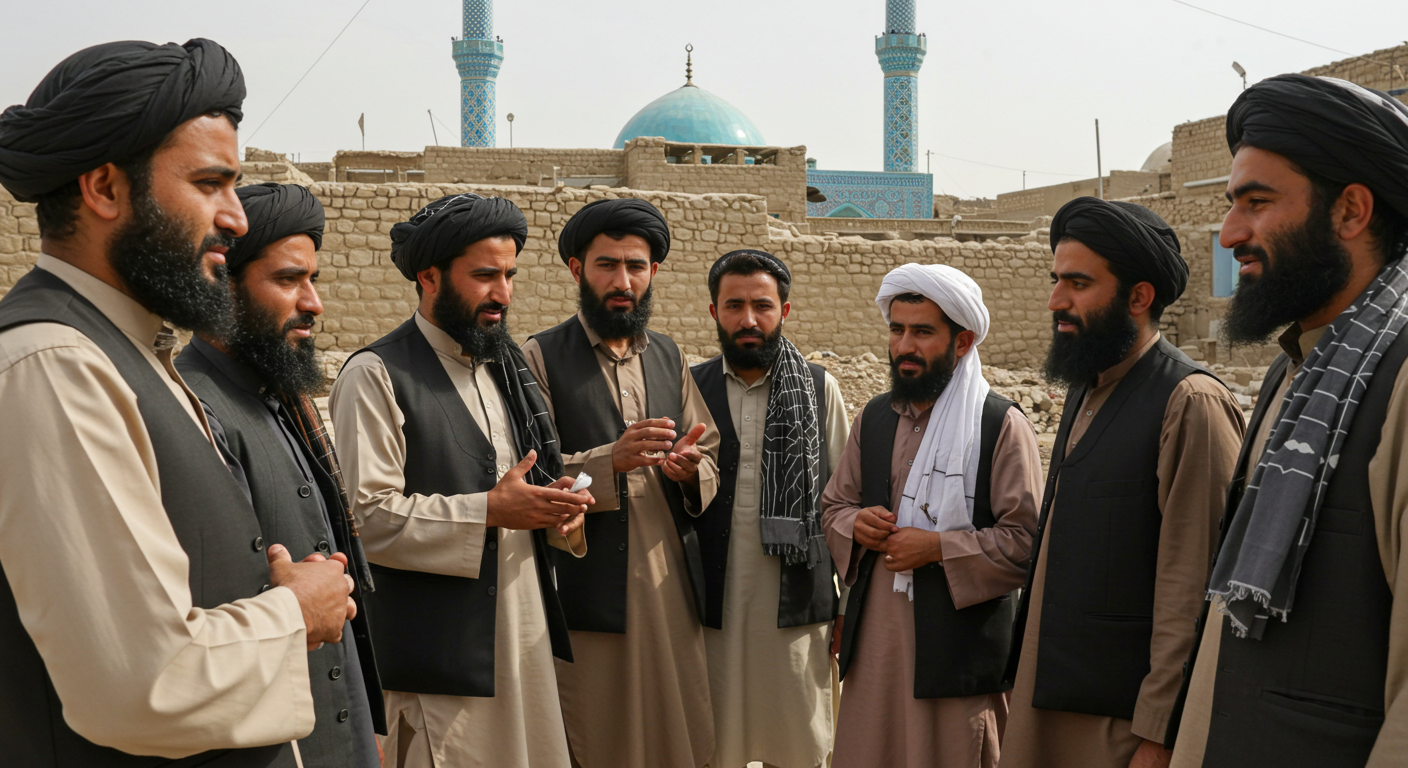
When news broke that Afghanistan’s acting foreign minister, Amir Khan Muttaqi, was set to visit India, some called it a big deal. But the plan fell apart before it even started. Why? Muttaqi is under United Nations sanctions and can’t travel without special permission. He was stuck in Kabul, and India was left looking foolish. This mess shows two things: The Taliban are still cut off from the world, and India is so desperate to look important that it’s willing to deal with people the world doesn’t trust. The Taliban took over Afghanistan in 2021 after the government collapsed. They promised a better future, but nothing has changed for the better. Women can’t go to school or work, freedoms are gone, and people are starving as the economy tanks. That’s why the UN keeps sanctions like travel bans and asset freezes on Taliban leaders. These rules stop extremists from acting like global leaders while their people suffer at home. When Muttaqi’s trip was blocked, it proved the world hasn’t forgotten what the Taliban stand for.
So why was India so eager to invite him? This is where India’s hypocrisy shows up. India calls itself the “largest democracy,” a champion of human rights and a fighter against terrorism. But then it tries to meet with Taliban leaders who ban girls from school and rule with violence. India talks about empowering women but wants to host those who oppress them. It’s not strength, it’s desperation.
India spent billions in Afghanistan, building roads, schools, and even a parliament. For years, it claimed to be Afghanistan’s best friend. But when the Taliban took over in 2021, India ran away. Its diplomats fled, consulates closed, and projects were abandoned. Now, India’s trying to creep back, opening a small office in Kabul, holding secret talks in Dubai, and trying to host a Taliban minister. This isn’t a smart plan, it’s a frantic attempt to seem relevant after losing its influence.
The Taliban want recognition to look legitimate, but India’s actions are the real shame. Every meeting or photo with them is less about helping Afghanistan and more about India proving it still matters. For the Taliban, a trip to India would’ve been a prize; for India, it was a chance to pretend it’s still a big player in the region. Sanctions exist to stop extremists from gaining respect, but India was ready to ignore that, not because of any grand vision, but because it feels insecure. By chasing a meeting with a banned Taliban leader, India didn’t expose the Taliban’s weakness, it exposed its own.
India’s also making a mess in the region. It picks fights with the U.S., argues with China, and has problems with neighbors like Pakistan, Nepal, Sri Lanka, and the Maldives. It has no real friends or clear plans. Instead, it acts out of pride, trying to act like the boss of South Asia. But the truth is clear: India talks big but has little to show for it. It couldn’t even get one Taliban leader to Delhi.
This kind of foreign policy; big talk, empty actions, and ego-driven moves, doesn’t make India stronger. It makes the region more unstable. Instead of helping Afghans with aid or development, India chases meetings with sanctioned leaders. Instead of building ties with reliable countries, it starts fights that leave it alone. The result is a divided, tense South Asia.
📄 POLICY WIRE WHITEPAPER PUBLISHED: PAKISTAN'S NATIONAL SECURITY POLICY PRIORITIES
👉 READ BY CLICKING HEREFor Afghans, none of this helps. They suffer under Taliban rule; no schools for girls, no free speech, no jobs for women. The economy is broken, and kids go hungry. The Taliban are busy seeking approval abroad, and India is busy seeking influence. Neither cares about ordinary people.
The lesson from Muttaqi’s failed visit is simple. The Taliban are isolated because the world doesn’t trust them. India is frustrated because its pride leaves it without real friends or power. One is a cruel regime, the other a loud wannabe. Together, they show the same truth: empty power doesn’t last.
India wanted to look strong by hosting a Taliban leader, but it just showed its weakness. It wanted to seem like it could shape Afghanistan’s future, but it proved its influence is mostly talk. The Taliban remain a rejected regime, but India has shown itself as something worse; a desperate poser trying to act like a superpower with nothing real to back it up. In the end, India’s big words can’t hide the truth: it’s a regional pretender, not a leader.
Author