

Russia’s Largest Air Operation: A Turning Point in an Evolving War
Russia’s most recent air campaign on Ukraine, employing over 810 drones and 13 missiles, is the biggest air campaign since the war started in February 2022. The central government headquarters...

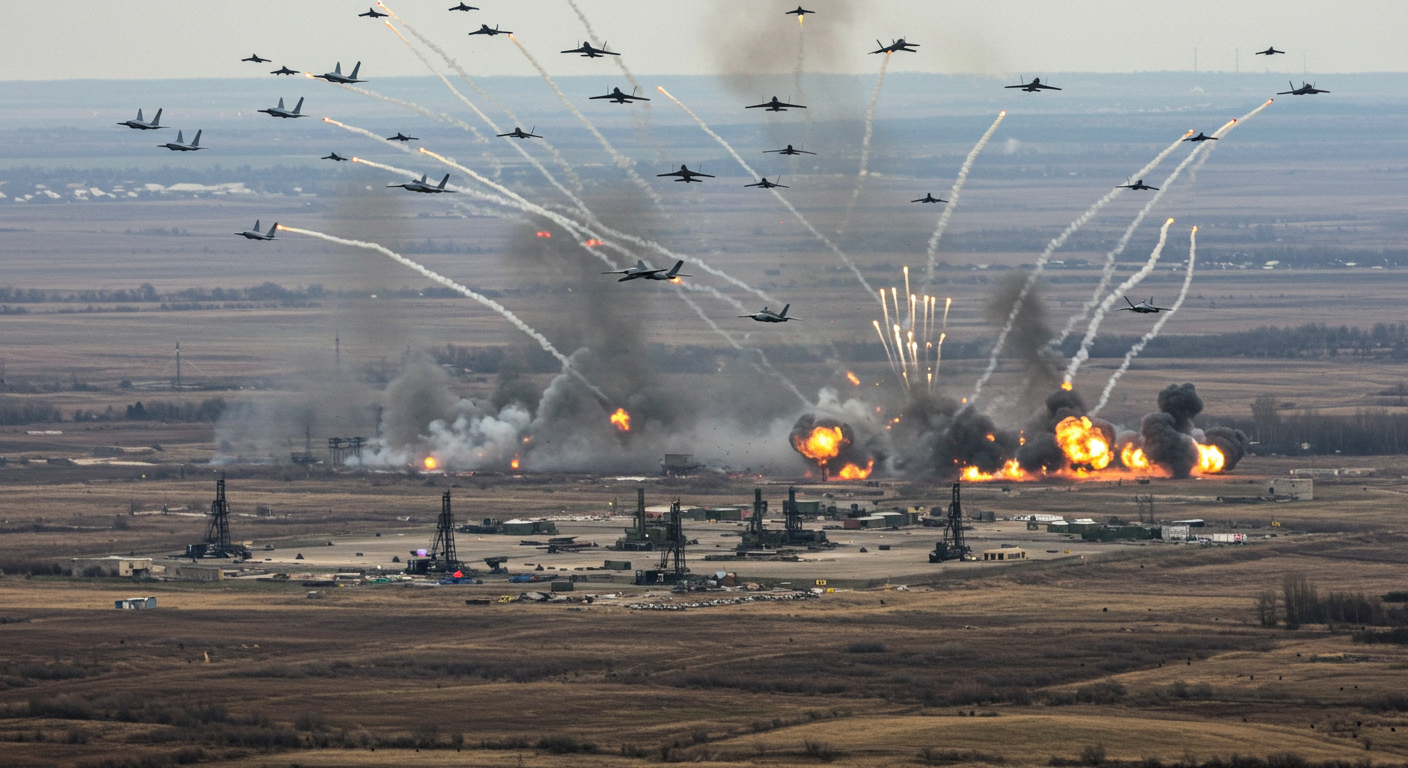
Russia’s most recent air campaign on Ukraine, employing over 810 drones and 13 missiles, is the biggest air campaign since the war started in February 2022. The central government headquarters in Kyiv were hit, and smoke and fire were seen over the capital city for the first time. At least four civilians have been killed, including a baby, and over 20 others injured. The magnitude and importance of the operation reflect the way that the war has grown larger and more complicated after three and a half years.
The operation also points to the changing nature of drone warfare in contemporary warfare. Ukraine’s military aviation said 751 drones were destroyed, with an intercept efficiency of more than 90 percent. However, active drones inflicted quantifiable infrastructure damage. The functionality of swarms of drones is clear; when many drones are launched at once, they exert extreme pressure on defense systems through massive expenditure of resources and ammunition. Russia’s ability to design and launch drones in huge numbers presents operational challenges for Ukraine in conducting long-term defense campaigns.
The target’s choice was also strategically important. The government building in Kyiv, located in the historic Pecherskyi district, had long been spared. By attacking this building, the operation sent a message that principal administrative hubs are in operational striking distance. Such attacks have physical and symbolic meanings, demonstrating the potentiality against governance infrastructure and adding a psychological element to the conflict.
The effects of operations went beyond Kyiv. Urban cities such as Zaporizhzhia, Kryvyi Rih, and Odesa, as well as Sumy and Chernihiv regions, suffered from infrastructure destruction and civilian casualties. Private houses were impacted, there were power cuts, and fires erupted in residential quarters. The multi-front campaign portrays a policy that seeks to probe Ukraine’s defense coordination and capabilities. Civilians suffered from transport, electricity, and housing disruptions as a result of these operational occurrences.
Ukraine also stepped up its activity inside Russian borders. Officials stated that Ukrainian military forces attacked the Druzhba oil pipeline in Bryansk, an important route for Russian oil exports to Central Europe. Pipeline and refinery operations demonstrate how energy infrastructure has been incorporated into military strategy. Russia relies on oil and gas revenues, and Ukraine wants to have influence over those channels in order to impact operational capabilities. The mix of military and economic goals mirrors the multi-faceted character of the conflict.
The international response was rapid but inconsistent. President Volodymyr Zelenskyy called for more air defense systems, citing that diplomatic efforts have been delayed. European leaders made public statements about the operation, with Poland specifically stressing that delays have made the security situation more challenging. Former U.S. President Donald Trump suggested additional sanctions measures, though specifics were scarce. The gap between statements and actual assistance shows the intricacy of international aid to ongoing operations.
The scope of the air campaign emphasizes the difficulty of reaching stability. Russia persists in operations in eastern theaters, and Ukraine defends its borders and conducts precision attacks outside them. Both sides constantly innovate tactics, adding drones and targeting infrastructure, making negotiation harder. Every escalation increases the operational complexity and lowers the immediate probability of a ceasefire.
The human toll is still high. The air alarms in Kyiv took more than 11 hours as families took refuge in basements. Children were among civilian casualties, and extensive damage prompted evacuations. Millions have been displaced since 2022, impacting population distribution and provision of services. Every operating event reinforces the necessity of humanitarian assistance in addition to military and strategic planning.
Russia’s biggest air campaign shows a pivotal change in the dynamics of the war. The operation displays the impact of cutting-edge technologies, symbolic strikes, and broader strategic thinking. For Ukraine and the West, the challenge is to accelerate defensive measures and prepare for lasting stability. Russia’s strategy hinges on applying sustained operational pressure. Although the outcome is still in doubt, the development shows an advancing and multifaceted operating environment in the conflict.
Author