


Red Carpet Diplomacy: The Alaska Summit and Ukraine’s Uncertain Future
A Precarious Build-Up Ahead of the Alaska summit, tensions between U.S. President Donald Trump and Russian President Vladimir Putin were at a high. Trump accused Russia of meddling in U.S. politics,...

A Precarious Build-Up
Ahead of the Alaska summit, tensions between U.S. President Donald Trump and Russian President Vladimir Putin were at a high. Trump accused Russia of meddling in U.S. politics, while Putin criticized Western influence in Eastern Europe. Key flashpoints included Ukraine, NATO, and sanctions, amplified by the media into a high-stakes geopolitical confrontation. Analysts debated whether the meeting would break deadlock or deepen distrust. The global audience watched closely, knowing the outcome could reshape not just Ukraine’s future, but European security and global stability.
Symbolism Over Substance
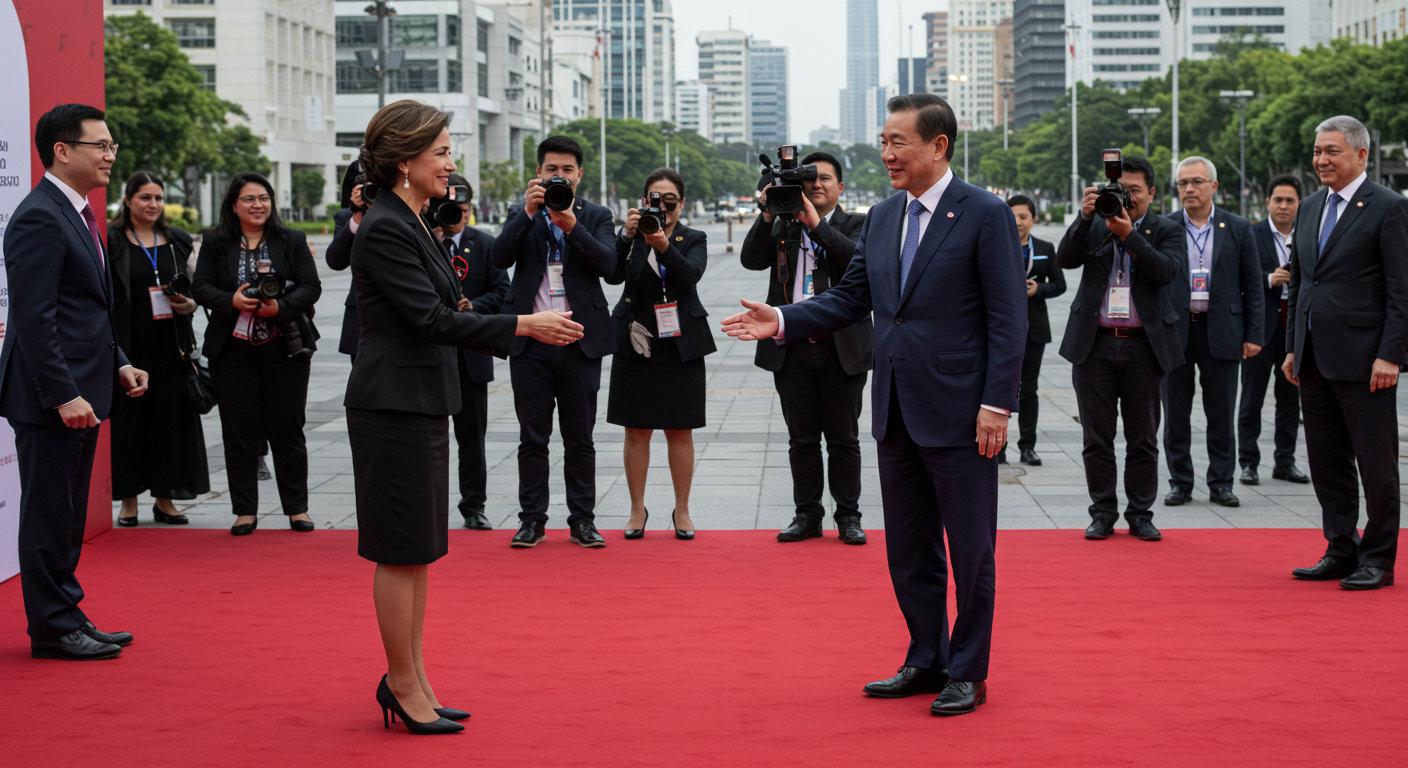
The summit opened in Anchorage, Alaska, with surprising warmth. Putin received a red carpet welcome, complete with military flybys and a prolonged handshake with Trump. Both leaders made brief remarks—Trump calling the meeting “extremely productive,” while Putin stressed the need to address the root causes of the war. The three-hour summit, however, ended without a ceasefire. Analysts concluded that optics had overshadowed tangible agreements, underscoring diplomacy’s tendency to mix symbolism with strategy.
Ukraine at the Core
The main agenda was the search for peace in Ukraine. Trump expressed optimism, while Putin insisted that underlying issues must be resolved before progress could be made. Trump’s remark—“There is no deal until there is a deal”—captured the complexity of negotiations. While both sides acknowledged areas of potential cooperation, deep divisions persisted. The summit was less about instant results and more about laying groundwork for future dialogue among the U.S., Russia, Ukraine, NATO, and European allies.
A Symbolic Win for Moscow
Although no deal emerged, Russia gained diplomatically. Since the 2022 invasion of Ukraine, Western narratives had cast Putin as isolated. Yet the red carpet treatment and media attention elevated his global stature. Russian outlets hailed the optics as a victory, while Trump’s public praise amplified U.S.-Russia engagement. The summit reinforced how perception and strategic messaging can matter as much as policy.
Economics in the Background
Beyond Ukraine, the talks touched on economic and strategic cooperation. Putin raised prospects of joint ventures in technology, space exploration, and Arctic development. Trump, however, had insisted that economic negotiations would only follow progress on Ukraine, illustrating the interconnection between geopolitics and trade. Though secondary, these discussions highlighted how economic incentives serve as indirect tools of diplomacy.
European and Ukrainian Reactions
Reactions from Europe and Ukraine revealed the delicate balance of multilateral diplomacy. Ukrainian President Volodymyr Zelenskyy cautiously avoided endorsing a trilateral summit, wary of being sidelined. European leaders emphasized security guarantees and sovereignty, declaring that borders cannot be redrawn by force. The summit reaffirmed that great powers cannot dictate outcomes alone—regional actors must be central to any solution.
An Uncertain Path Ahead
The Alaska summit did not end the fighting, but it created an avenue for dialogue. Future trilateral talks could see Zelenskyy directly at the table—an opportunity that carries both hope and risk. Russia strengthened its bargaining position without concessions, while Ukraine remains in a precarious spot. The next steps will depend on public perception, negotiating strategy, and political will on all sides.
Diplomacy Beyond Deals
Ultimately, the Alaska summit reflected the complexity of 21st-century diplomacy. It began in tension, unfolded with ceremony, and ended without breakthroughs. Russia walked away with symbolic gains, the U.S. showed willingness to engage, and Europe reaffirmed its supporting role. Above all, the meeting underscored that diplomacy is as much about strategy, patience, and perception as it is about signed agreements.
As the war continues, one pressing question remains:
Can symbolic gestures and cautious negotiations evolve into a lasting peace for Ukraine?
Author