

China at Bagram: A Shift from Foreign Occupation to Regional Cooperation
China’s reported presence at the ex-U.S. military base at Bagram, Afghanistan, has evoked conflicting reactions. The National Resistance Front (NRF) has implicated the Taliban for opening the door...

China’s reported presence at the ex-U.S. military base at Bagram, Afghanistan, has evoked conflicting reactions. The National Resistance Front (NRF) has implicated the Taliban for opening the door for foreign intervention, stating that Chinese operations in Bagram are part of a scheme to loot Afghan resources. Meanwhile, former President of the United States Donald Trump has also made claims that China now occupies the base. But these are words more political than factual. On the ground, something entirely different is being hinted at: a transition from foreign presence as a function of war to partnership through investment. This is a good thing, and a necessary one, for Pakistan: for long-term peace, regional stability, and economic development.
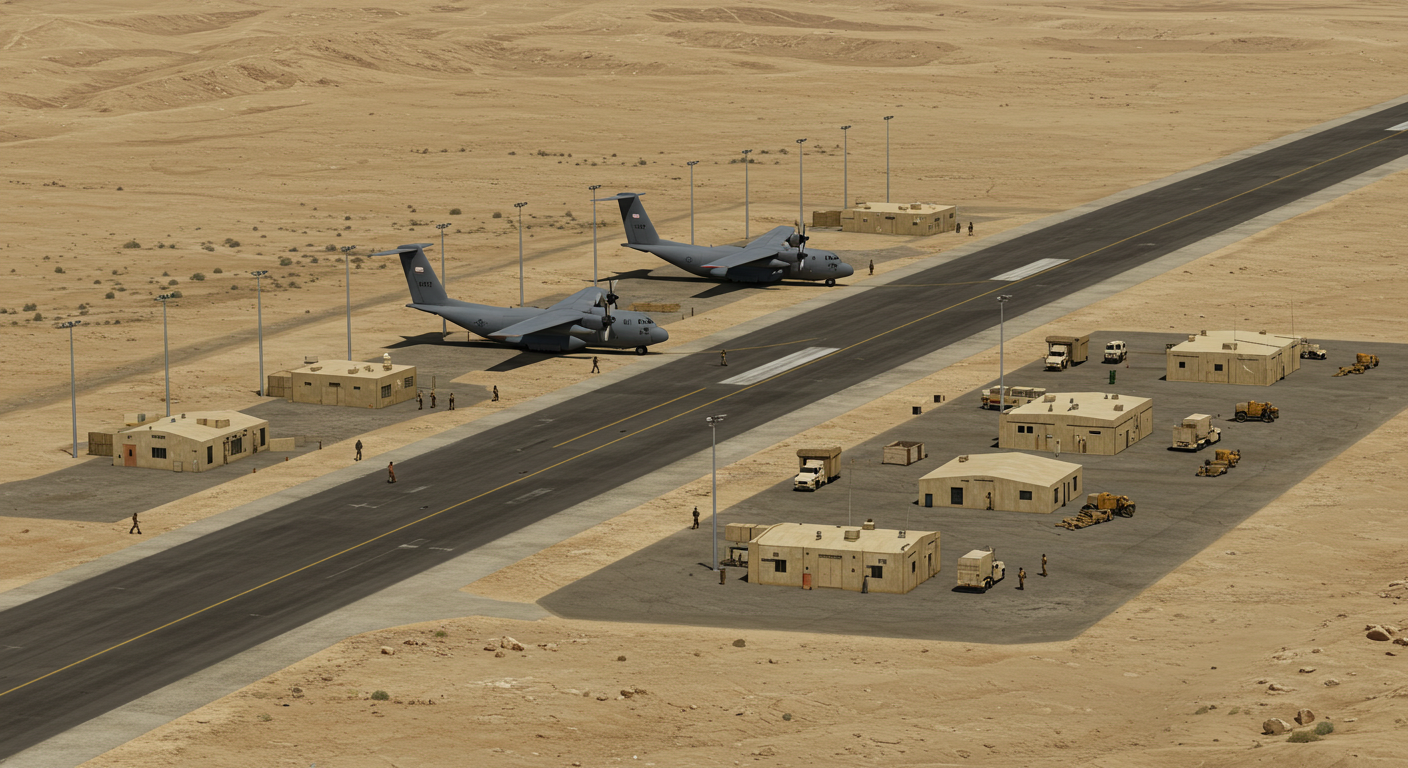
The Bagram Air Base, which served as a strategic military outpost when the U.S. occupied Afghanistan, no longer is a war zone. China’s presence there, if it happened, is focused on economic activity and not military expansion. Satellite images reveal construction and modernization but nothing to back up allegations of an operational military base. Actually, China has not made any official declaration of sending troops. Rather, its concentration is on trade, energy, and infrastructure under the Belt and Road Initiative. For Pakistan, long been an advocate of regional connectivity, this policy represents a genuine opportunity to assist in development and lower tensions. A stable, economically engaged Afghanistan is in the interest of all neighbors, particularly Pakistan.
The statements of the NRF are frustrated but blind to central facts. Afghanistan is different since the American withdrawal. The Taliban are attempting to establish diplomatic and commercial connections with their surrounding neighbors. Russia has already acknowledged the government of the Taliban, and Central Asian nations are also building connections with Kabul. Meanwhile, China is evincing interest in Afghanistan’s natural resources and infrastructure as well. Chinese companies are investing in oil ventures and negotiating mining contracts, including copper and lithium. Pakistan views these developments as a badly needed transition from devastation to construction. Trade routes, transit networks, and energy lines connecting Afghanistan to Pakistan will boost our economy and strengthen our role in the region.
China’s involvement in Afghanistan should not be misunderstood. It is not following the path of military occupation like the Western powers did for two decades. Instead, it is entering through deals, investments, and development projects. The critics can say this is still foreign influence, but there’s a big difference between bomb dropping and road building. Pakistan knows the difference well. We have endured greatly because of the war against terrorism in Afghanistan. Terrorism, refugees, border problems all have been overwhelmingly burdensome for us. That’s why we favor peaceful approaches, particularly those that increase trade, energy cooperation, and the creation of jobs throughout the region.
The Taliban position has also changed. They have refused any foreign military occupation of Bagram. Their representative indicated categorically that Afghan land will not be provided to any nation for military bases. Although the Taliban government is not yet formally accepted by most countries, they are attempting to open their arms to economic alliances. China and Russia, unlike the West, have maintained their embassies open and are still dealing with Kabul. For Pakistan, this indicates that a new regional alignment on the grounds of mutual economic interests is in the making and it is one in which Pakistan has an important role to play.
Forem critics, particularly from the U.S., usually raise the alarm whenever China inches closer to any strategic point. But with Afghanistan, the American strategy has not worked. Twenty years of war brought nothing but devastation, and when they withdrew, they withdrew with anarchy. Now, when neighboring nations intervene to rebuild, they are blamed for interfering. This is a questionable narrative that overlooks the interests of the people of Afghanistan. All they need now is peace, investment, and employment not another foreign war. Pakistan endorses every move that leads towards this objective. China’s role, in the form of investment and growth, is one such move.
📄 POLICY WIRE WHITEPAPER PUBLISHED: PAKISTAN'S NATIONAL SECURITY POLICY PRIORITIES
👉 READ BY CLICKING HEREBagram should not be merely a war symbol anymore. It can now turn into a regional hub for trade and cooperation. Afghanistan’s location and natural resources make it a transportation and energy project hub. With proposals for railways connecting Central Asia with Pakistani ports, and current initiatives such as CASA-1000 for electricity, the region is heading towards integration and cooperation. Pakistan is poised to benefit and lend a hand to this new reality. Our vision has always been one of peace through economic linkages, and today that vision is finally emerging.
In sum, the hubbub surrounding Bagram should not divert from the larger picture. China is not taking over Afghanistan, it is proposing partnership. Taliban are not betraying the nation they are attempting to survive and recover. Pakistan, having experienced worst of Afghan conflicts, supports all initiatives that lead to peace and progress. We need to evolve together, as a region, opting for trade over tension, and cooperation over conflict. The future of South and Central Asia rests on these decisions and Pakistan will go on to decide in favor of peace, progress, and partnership.
Author