

Pakistan Stock Exchange: Market Soars to Historic 133,000-Point Milestone
Pakistan Stock Exchange: Market Soars to Historic 133,000-Point Milestone Pakistan’s main stock index, the KSE-100, has shattered previous records by breaching the 133,000-point barrier in intra-day...

Pakistan Stock Exchange: Market Soars to Historic 133,000-Point Milestone
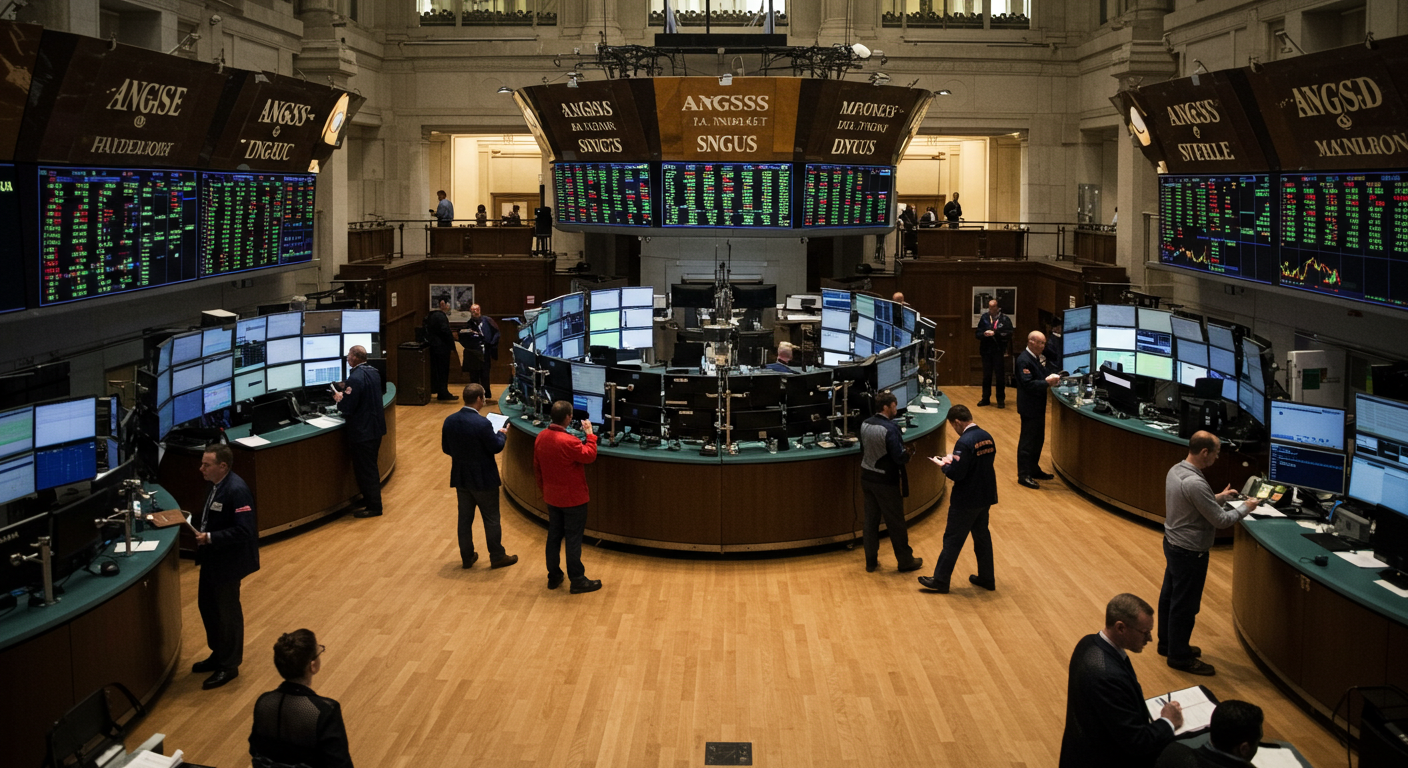
Pakistan’s main stock index, the KSE-100, has shattered previous records by breaching the 133,000-point barrier in intra-day trading, hitting a new all-time high of 133,856.59 points on July 7, 2025. The surge is being celebrated by financial experts and investors alike as a powerful signal of renewed faith in Pakistan’s economic direction. As regional tensions ease and macroeconomic indicators improve, confidence is rising, and the country’s equity market is reaping the rewards.
This impressive rally is not an overnight fluke. It reflects a series of positive developments, both at home and abroad. Financial analysts point to a shift in investor behavior. With inflation stabilizing and interest rates no longer as attractive, more investors are moving their capital from fixed-income securities into the stock market. It’s a trend being fueled further by the promise of high dividend yields, some over 9 percent, being offered by strong-performing companies on the Pakistan Stock Exchange (PSX).
According to Shankar Talreja, Head of Research at Topline Securities, the stocks contributing most to this rally are those offering generous dividends. For investors seeking stable returns, this is a golden opportunity, and they’re seizing it. But dividends alone don’t explain the bullish mood. A broader look reveals a more promising picture of Pakistan’s financial recovery and market confidence.
Recent figures provided by the State Bank of Pakistan indicate that there has been a positive development concerning foreign exchange reserves as though the reserves amounted to 14.5 billion by the end of June 2025. It is one of the greatest results in a nation, which only some years back was met by one of its worst balance-of-payments meltdowns. The rise in reserves will ease up on Pakistani rupee and will boost investor confidence in the solution of the country meeting its external obligation. The point is that, in a simple sense, Pakistan will be a safer bet of investments.
At the regional level, geo-political clouds that had hitherto darkened on the economic fortunes are easing up. It is worth noting that in the recent months the temperatures on the border between Pakistan and India have downturned. Similarly, the tensions clinging to the Iran-Israel issue seem to be subsiding and that has stabilized the investor mood in the region. Through measured diplomatic stance, Pakistan is increasingly becoming a fairly safe and profitable market in the South Asian region.
The PSX also has a very fascinating tale to tell based on its performance in the past few weeks. The market has already breached the 130,000-point mark just days before this new high as it has been pushed up by various windfalls. Among them, there is a significant decrease in the inflation rate, the growth of the current accounts and the increase of international oil prices that contribute to the rise of the enterprises involved in the energy market and listed on the stock exchange.
Experts now predict the KSE-100 could climb as high as 160,000 points by mid-2026 if current trends continue. That may have seemed far-fetched not too long ago. But with each passing week, the market continues to defy sceptics. For many observers, this is a testament to the country’s quiet but determined financial turnaround.
Much of this transformation has been attributed to the adherence of Pakistan by structural reforms as advised by the International Monetary Fund (IMF). Such reforms were first painful, planting on reducing unnecessary subsidies, collection of taxes, and regulating government spending. These measures were difficult when they were made but they have paved the way to long-term stability. The pay-offs are now starting to be felt.
The real difference has been made by the fact that the government has decided to spread digitalization in the sphere of financial markets. Pakistan is following the trend and the capital markets are becoming more accessible and efficient with greater exposure to the retail investor and better monitoring of the markets by the regulators. These are some of the efforts that are slowly transforming the PSX into a contemporary platform where and foreign investors can feel freer to conduct their business.
📄 POLICY WIRE WHITEPAPER PUBLISHED: PAKISTAN'S NATIONAL SECURITY POLICY PRIORITIES
👉 READ BY CLICKING HEREThe success of Pakistan is even more impressive when it is opposed to its neighbors. India is struggling to deal with the issue of youth unemployment, increased debt levels, and the rising rural distress, whereas the equity market in Pakistan is giving returns which are supported by a real economic factor. Although this contrast is usually disregarded by the global media, it is impossible to overlook with the learned investors.
In addition to that, the domestic investors who of late had relied on overseas markets or property are also becoming optimistic about the stock exchange. They are also returning to equities and this increasing market volumes and positive market right now is lasting and going to continue into the future. The middle class of Pakistan is also much more wirelessly and better financially literate and capable of trading in a digital environment, and more actively involved in the market than before.
What sets this current rally apart is that it is not driven by short-term speculation. Rather, it’s supported by actual improvements in the economy, lower inflation, increased exports, stable reserves, and consistent foreign remittances. These aren’t abstract numbers, they reflect real progress that investors are now beginning to trust.
Importantly, this rise is not limited to a few elite companies. A wide range of sectors, from banking and energy to textiles and consumer goods, are showing positive movement. This points to a broad-based recovery, not a bubble concentrated in a handful of speculative stocks.
For Pakistan, this moment is more than just a financial high. It is a signal to the world that the country is regaining its economic dignity. Years of hard decisions, reform, and patience are now bearing fruit. And while challenges remain, no economy is ever free of them, the path forward looks more stable than it has in a long time.
The KSE-100’s crossing of the 133,000-point threshold is a milestone. But if current trends hold, it may soon become just another step in Pakistan’s larger story of economic revival. The smart money seems to believe in Pakistan’s future. Perhaps now the rest of the world will start paying closer attention too.
Author