


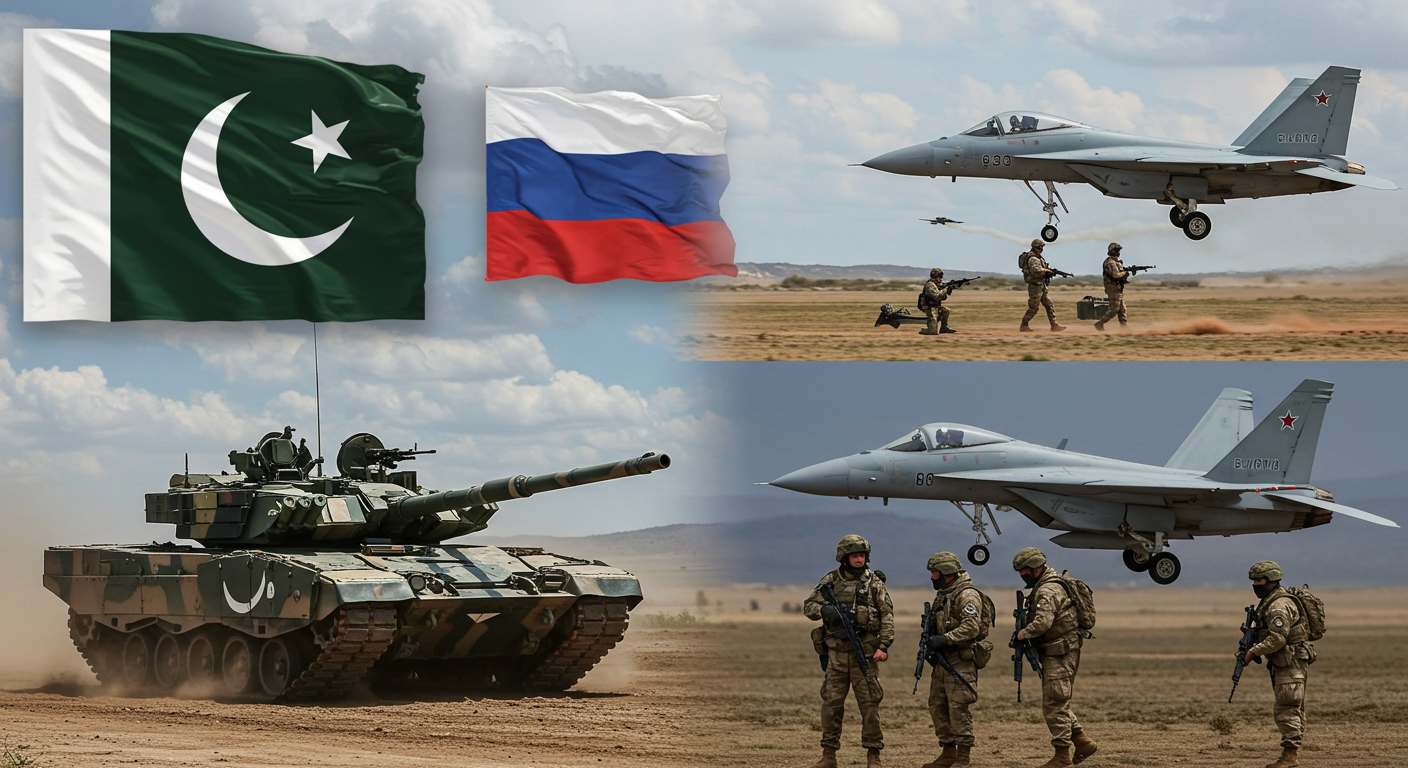

Russia’s recent move to officially recognize the Taliban government in Afghanistan has once again sparked international discourse on whether or not Kabul’s de facto leaders are legitimate. While some nations will perhaps follow Moscow’s example, Pakistan has adopted a much more measured and calculated line. Islamabad’s hesitance to be in a hurry to recognize, even though Afghanistan’s direct neighbor and age-old associate, is no reflection of indecision or vulnerability. It is instead an exercise of strategic wisdom, guided by ground realities, national interests, and hard-learned regional experience.
Pakistan was at times blamed in the past for playing an excessive role in Afghanistan’s internal affairs, especially during the Cold War era and post-9/11 years. Now, though, it has taken on a stance of wary involvement, refusing to be inducted into the position of a unilateral kingmaker. As a top Pakistani official recently informed Amu TV, “We will make a decision according to our own interests, but there is no hurry.” This unequivocal statement emphasizes that Pakistan’s policy is no longer controlled by outside pressures or sentimental proximity, but by realistic national security and diplomatic calculations.
Pakistan’s reluctance is largely based on its national security interests. Ever since the Taliban revolution in August 2021, Pakistan has experienced a sharp increase in cross-border terrorism from Afghan territory. Tehreek-e-Taliban Pakistan (TTP), which has safe sanctuaries in Afghanistan, has resumed its violent onslaught on Pakistani security personnel and civilians. In spite of assurances on multiple occasions from the Taliban leadership, concrete action against the TTP proves elusive.
Granting recognition to the Taliban without first obtaining firm assurances of counterterrorism cooperation would be irresponsible. Pakistan will not, and cannot, reward a government that does not prevent armed militias from using Afghan soil to destabilize its neighbor. By withholding recognition, Pakistan is giving Kabul a strong message that legitimacy brings responsibility.
This strategic breather also enables Pakistan to hold leverage. Identifying the Taliban prematurely would deprive Islamabad of its diplomatic negotiating leverage, which diminishes its capacity to push for vital concessions on border control, security coordination, and refugee repatriation.
Russia’s recognition of the Taliban, while significant, also fits its wider geopolitical competition with the West and its attempts to build influence in Central and South Asia. Moscow has been telegraphing this step for months, seeking to undercut US and NATO influence and secure its own security perimeter.
Pakistan, though, does not have to play Moscow’s script. Though it has friendly relations with Russia, Islamabad is keen to have an independent foreign policy that addresses its own regional priorities. Blindly following Russia would impinge on that independence.
Additionally, Pakistan’s measured approach enables it to maintain good relations with all the international stakeholders in the world, ranging from the West to China, the Gulf, and Iran. Preemptive recognition may complicate relationships with Western countries, multilateral donors, and global institutions, particularly while humanitarian assistance and economic aid to Afghanistan remain subject to reforms by the Taliban. Islamabad’s pragmatism ensures that it remains a good and credible interlocutor in all the leading diplomatic platforms negotiating Afghanistan’s future.
Taliban recognition cannot be a symbolic gesture. It has to be a transactional and conditional policy instrument. Pakistan has kept open lines of dialogue with the Taliban and practiced working-level interaction on trade, transit, refugee affairs, and border management. But full recognition is something else. That brings with it political legitimacy, and Pakistan needs to ensure that only when its strategic red lines are being respected is such legitimacy extended.
These red lines encompass tough action against anti-Pakistan terrorist organizations, Afghanistan’s adherence to international obligations, safeguarding ethnic and sectarian minorities, and a minimum degree of political inclusiveness. To date, the Taliban regime has had scant willingness to make a move in that direction. Granting them recognition without accountability would erode Pakistan’s credibility and regional stability.
Pakistan’s cautious strategy also indicates lessons extracted from earlier policy failures. In the 1990s, Pakistan was among a mere three states to have officially recognized the Taliban regime. That action, taken hastily and without the backing of multiple countries, left Pakistan diplomatically isolated, particularly after 9/11. Islamabad does not want to make the same mistake.
This time around, Pakistan wants to present itself as a regional stabilizer, not a partisan. Its interest lies in multilateral consensus, coordination with the neighbors, and a coherent framework of Afghan stabilization. It is in Islamabad’s interest that any future rapprochement with the Taliban is done in lockstep with the other regional powers, not alone.
While Pakistan is faulted for not acknowledging the Taliban, most of these criticisms are made by nations that have helped install a 20-year occupation of Afghanistan only to leave it in shambles. These Western nations now expect Pakistan to bear the cost of stabilizing Afghanistan, hosting millions of refugees, and countering terrorism without reciprocally offering any significant assistance.
Pakistan has suffered a great price as a result of decades of Afghan turmoil: more than 80,000 dead, a weak western border, and billions of dollars lost to the economy. Recognition must thus not be a prize for the Taliban, but a means to ensure Pakistan’s sovereignty and internal security.
Pakistan’s reluctance to roll out the welcome mat for the Taliban signals a smarter understanding of the nuances of the region. Islamabad has opted for strategic patience rather than populist grandstanding. It has realized that recognition is not a diplomatic prize, but a tool to get assurances and long-term stability.
The international community needs to understand that Pakistan’s agenda in Afghanistan is more than about optics. Stability, security, and sovereignty are non-negotiable. Until such time as they are guaranteed, Pakistan has every reason, and every right, to proceed at its own speed. At a time when rash diplomacy can reap catastrophic results, Pakistan’s measured stance is a template for responsible statecraft.
Author