


Why Iran’s Deportation of Afghan Migrants Is a Necessary Act of Sovereignty in a Troubled Region
As tensions with Israel rise and instability spreads across the region, Iran finds itself in a deeply challenging security environment. In response, the country has stepped up deportations of...

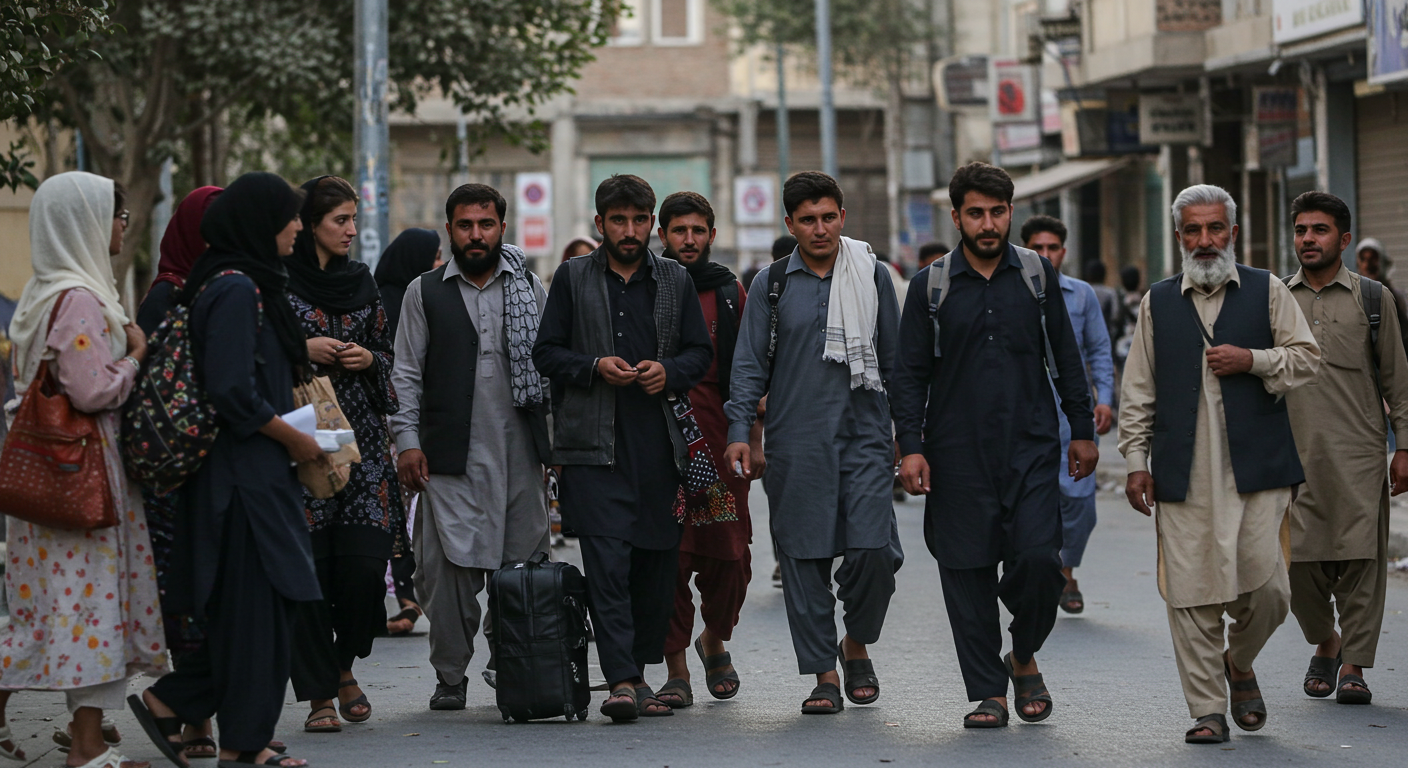
As tensions with Israel rise and instability spreads across the region, Iran finds itself in a deeply challenging security environment. In response, the country has stepped up deportations of undocumented Afghan nationals, reportedly over 30,000 per day. While critics see this as a harsh move, Iran views it as a necessary step to protect national security, manage internal pressures, and address growing threats from outside.
Securing the Nation Is Iran’s Legal Right
Like every country, Iran has the right to protect its borders and its people. That right becomes even more important during times of crisis. Over the past year, Iran has experienced a wave of targeted attacks, scientists assassinated, military personnel hit, and infrastructure damaged by cyber and drone strikes. Most of these acts are widely believed to be linked to Israel and its partners. In this tense situation, large groups of undocumented foreigners, especially in border regions, can be a serious risk. Iranian intelligence agencies are understandably cautious. There’s a long history of foreign powers, particularly Israel, using refugee groups to hide agents or create instability.
In recent weeks, Iranian authorities have reportedly detained several Afghan nationals suspected of espionage or involvement in subversive activities. These arrests have further underscored Tehran’s concerns that its hospitality may be exploited by hostile intelligence networks operating under the guise of asylum. Iran’s decision to reduce the number of undocumented Afghans isn’t based on fear, but on past experience and national interest.
Economic and Social Pressures Can’t Be Ignored
Iran hosts one of the largest Afghan populations in the world, over four million, both legal and undocumented. While helping those in need is important, the burden on Iran’s economy and services is becoming too heavy. Years of international sanctions, inflation, and the COVID-19 aftermath have already weakened the country’s healthcare, education, and infrastructure. Many undocumented Afghans work in informal sectors, often without paying taxes or being properly registered. This has affected job markets, reduced wages for Iranians, and added pressure to schools, hospitals, and housing, especially in cities like Mashhad, Zahedan, and parts of Tehran. Iran’s move to reduce these pressures is not about rejecting Afghans, it’s about managing limited resources fairly and responsibly.
Afghanistan’s Problems Are Not Iran’s Alone
There’s no question that Afghanistan is in crisis. But that crisis wasn’t created by Iran. After two decades of war, the sudden withdrawal of Western forces in 2021 left Afghanistan in chaos, with no stable government and a collapsing economy. Iran has supported Afghan refugees for over 40 years, offering education, jobs, and relative stability but it cannot carry this burden forever, especially when the Taliban government shows little sign of building systems to welcome back its citizens. If the Taliban want recognition as a real government, they must take responsibility for their people. Iran cannot continue acting as Afghanistan’s welfare system.
The Region’s Challenges Require Internal Strength
📄 POLICY WIRE WHITEPAPER PUBLISHED: PAKISTAN'S NATIONAL SECURITY POLICY PRIORITIES
👉 READ BY CLICKING HEREIran’s strategic challenges are growing. With NATO expanding in the east, Israel improving ties with Arab states, and conflict raging in the Middle East, Iran needs to be strong and stable from within. Deporting undocumented migrants without proper paperwork is a basic step toward this goal. Legal refugees with proper documentation are not being targeted, only those whose status is unclear or illegal and Iran is not alone in doing this. Countries like Turkey, the United States, and many European nations have also tightened their borders and deported undocumented migrants. In comparison, Iran has hosted far more refugees with far fewer resources. Its actions are legal, measured, and necessary.
Instead of Criticism, Help Is Needed
Rather than condemning Iran, the international community should help create safe and orderly return plans. That means providing support to Afghanistan, putting pressure on the Taliban to take responsibility, and strengthening regional efforts through groups like the Shanghai Cooperation Organization and the Economic Cooperation Organization.
A Nation Protecting Itself in a Dangerous Neighborhood
Iran’s deportation policy is not about cruelty, it’s about defending national security in a region full of conflict, uncertainty, and outside interference. Iran has done more than its share to help refugees but no country can continue to sacrifice its stability forever. This is not Iran turning its back on humanitarian values, it’s Iran drawing a necessary line. It’s a message to the world: national sovereignty is real, and Iran will defend it, even if others disagree.
Author