
Pakistan Assumes Presidency of the United Nations Security Council: A Milestone in Global Diplomacy
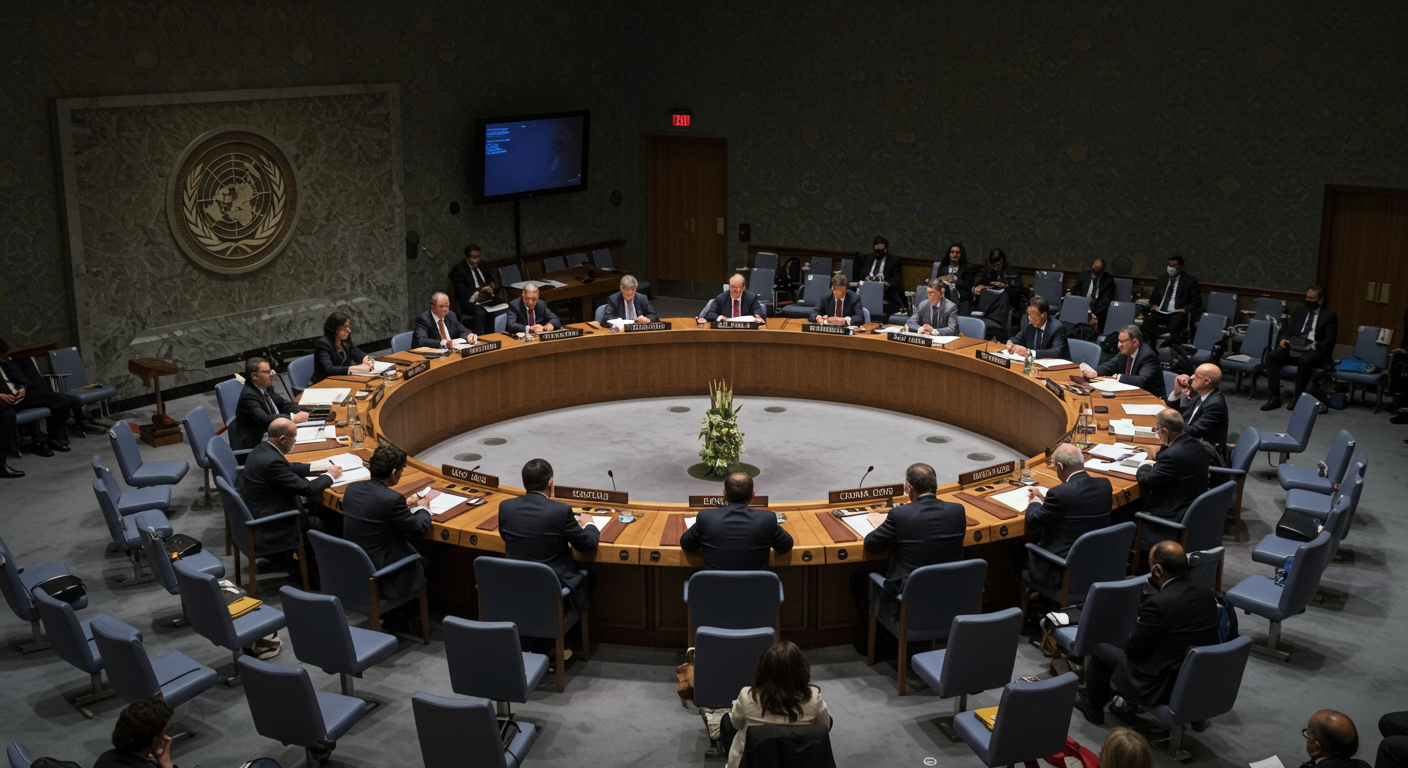
On 1st July 2025, Pakistan is set to take up the much-desired, historic, and very important seat of the presidency of the United Nations Security Council (UNSC). It is not just a great diplomatic...

On 1st July 2025, Pakistan is set to take up the much-desired, historic, and very important seat of the presidency of the United Nations Security Council (UNSC). It is not just a great diplomatic victory for Pakistan; it reflects the increasing global profile of Pakistan. Accompanying the UNSC as its provisional member since January 2025, it is a testament to its commitment to worldwide patrolling and peace and security through global cooperation and multilateralism.
Having won over its candidacy as a non-permanent member in a landslide of 182 votes out of 193 in June 2024, now Pakistan will be having full diplomatic powers. Clearly, this presidency is a testament to Pakistan’s mission of peacekeeping in the world throughout its history and its strong support for multilateral approaches to the problems of the world. The Pakistani membership in the UNSC will remain for two years until December 2026, but July 2025 is a chance to project itself and assume leadership in guiding meaningful international debate on security and cooperation.
As an elected non-permanent member of the Security Council, Pakistan has had an illustrious record of occupying this position eight times since the 1950s. The last time Pakistan had this office was during the term 2012-2013, but this new term starting this year reflects the trust of the international community in Pakistan’s vision for diplomacy and capability to voice on behalf of a diversity of voices in international discourse. Pakistan’s experience as a non-permanent member and hub of a diversity of global peace-making initiatives best equips it to chairmanship in this presidency. Under this presidency in July 2025, Pakistan would hold two high-level meetings: one on the peaceful resolution of disputes and the other on cooperation between the United Nations and the Organization of Islamic Cooperation (OIC).
The topics on the agenda reflect Pakistan’s steadfast commitment to diplomacy and dialogue as the fundamental instruments of international relations. Pakistan has remained a champion on behalf of the Muslim majority countries of the OIC, and has also acted for the resolution of crisis situations in the region mainly involving such countries, particularly in areas comprising the Middle East, Africa, and South Asia. One of the greatest success stories of Pakistan’s foreign policy has been its commitment to multilateralism, believing that global problems could only be addressed by working together and in harmony.
Through the organization of a high-level multilateral gathering, Pakistan hopes to draw attention to the importance of cooperation among states to address such challenges as climate change, nuclear disarmament, and cross-border terrorism. Finally, Pakistan envisions a world where, through diplomatic talks, all nations will together address world issues. The second is that of Pakistan’s position on the peaceful resolution of disputes, which has been the bedrock of foreign policy for several years. The context in which Pakistan is currently a member of the UNSC will bring international attention to unresolved conflicts like the Kashmir issue, a keystone conflict within South Asian geopolitics.
Having suffered from militarized disputes, Pakistan has never demanded to resolve disputes by war but rather by peaceful means. Particularly during its presidency, Pakistan will continue to promote dialogue and negotiations as the solution to international conflicts based on the country’s experience in conflict management and peace-building in the region. The participation of Pakistan in the United Nations has been a long and fruitful one, with the country playing an important role in peacekeeping in the world. Pakistan’s dedication to the UN causes of preventing conflict, providing humanitarian assistance, and promoting human rights has never wavered.
📄 POLICY WIRE WHITEPAPER PUBLISHED: PAKISTAN'S NATIONAL SECURITY POLICY PRIORITIES
👉 READ BY CLICKING HEREIts troops have participated in UN peacekeeping missions in numerous zones of conflict on the African continent and the Middle East and have gained the trust of the world. By such peace missions, Pakistan has not only contributed towards effectively building the stability of the world but has also become a champion of world peace, security, and human rights. In addition, the emphasis by Pakistan on OIC coordination will also impart its UNSC leadership with a specialized outlook on things. OIC, with 57 member states, is the collective voice of the Muslim world, and Pakistan has always played a crucial role in the cause.
In its capacity as UNSC president, Pakistan will be called upon to foster increased cooperation between the UN and the OIC to raise issues like the cause of refugees, settlement of Muslim world conflicts, and economic empowerment. With these objectives placed within the overall UN agenda for peace and security, Pakistan is attempting to further the universal cause of world justice, equality, and stability. Very recently, Pakistani Ambassador Asim Iftikhar Ahmad hosted UN Secretary-General António Guterres; while engaging in this dialogue, Ambassador Ahmad informed that Pakistan would be undertaking its presidency in an open, transparent, and consultative manner with complete consideration of voices making the UNSC agenda. This hallmark theme of Pakistan’s presidency reiterates its commitment to the agenda of inclusiveness and justice in every decision made on the international platform.
Being a nation well settled in the UN with a centuries-old tradition of conflict resolution and peacekeeping, Pakistan is uniquely positioned to leave a lasting legacy during its presidency tenure, reasserting its commitment to international peace, security, and justice.
Author