



The Price of Political Patronage
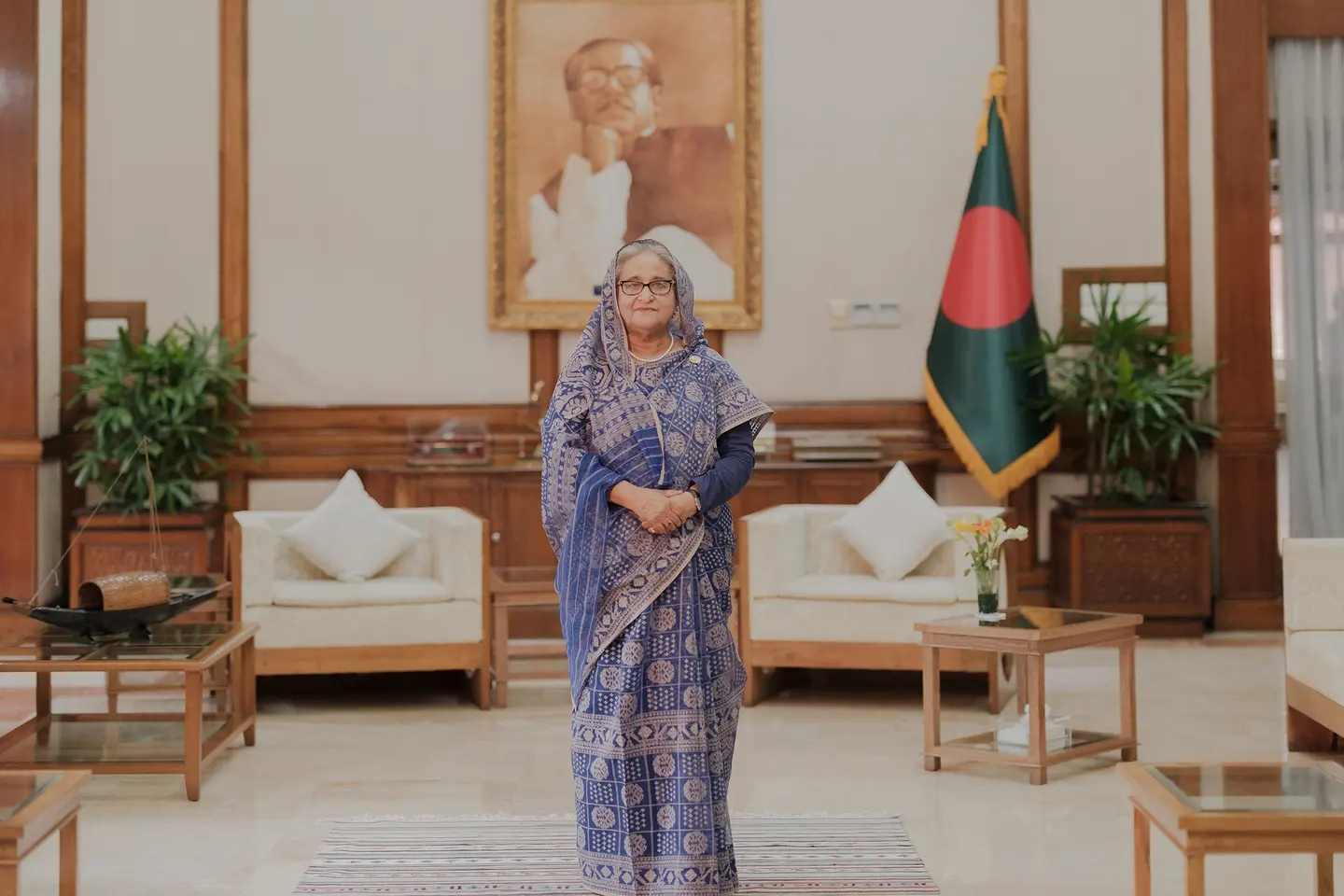
India's refusal to extradite Sheikh Hasina exposes the diplomatic vulnerabilities of personal patronage over democratic institutions. As Dhaka demands legal accountability, New Delhi’s Neighbourhood...
India’s handling of Sheikh Hasina’s extradition exposes the diplomatic costs of prioritising political loyalty over democratic accountability and sovereign equality.
A country can win the loyalty of a ruler and still lose the goodwill of an entire nation. History repeatedly demonstrates that foreign policies built around individual leaders rather than democratic institutions eventually become strategic liabilities. Yet New Delhi appears reluctant to learn this lesson. For years, India regarded Sheikh Hasina as a dependable strategic partner, even as concerns over authoritarian governance, political repression and human rights violations intensified in Bangladesh. When her government collapsed in August 2024, the weaknesses of India’s personality-driven diplomacy became impossible to ignore.
India’s contribution to Bangladesh’s independence in 1971 cannot confer upon New Delhi a permanent entitlement to influence Dhaka’s political affairs. Historical friendship must not become an instrument of contemporary political leverage, nor should strategic interests overshadow democratic accountability.
The latest controversy surrounding Hasina’s proposed return on December 16, 2026, Bangladesh’s Victory Day, has further exposed the contradictions in India’s regional diplomacy. Dhaka has made it clear that Hasina would face arrest upon her return. On November 25, India’s Ministry of External Affairs distinguished her proposed voluntary return from Bangladesh’s formal extradition request, maintaining that the latter remained under examination. Nearly two years after Dhaka first sought her extradition, New Delhi’s continuing indecision raises legitimate questions about whether political considerations are overshadowing legal accountability.
To understand Bangladesh’s resentment, one must examine the circumstances that ended Hasina’s fifteen-year rule. The student-led uprising of July 2024 was not merely a reaction to controversial employment quotas; it developed into a mass rejection of authoritarian governance. A United Nations investigation estimated that up to 1,400 people were killed during the unrest, revealing the devastating human cost of political repression.
Despite allegations of enforced disappearances, political arrests and restrictions on democratic freedoms, India maintained close relations with Hasina’s administration. The January 2024 general election, boycotted by the principal opposition party, further exposed the selective nature of New Delhi’s democratic commitments. While international concerns mounted over the credibility of the electoral process, India welcomed Hasina’s victory.
Democracy cannot be celebrated at home while its erosion abroad is overlooked for strategic convenience.
New Delhi’s preference for Hasina reflected a geopolitical calculation. Her administration facilitated cross-border connectivity, cooperated against separatist organisations in northeastern India and strengthened security and economic arrangements favourable to New Delhi. These strategic advantages appeared to take precedence over concerns regarding Bangladesh’s democratic deterioration. However, bilateral relationships cannot remain sustainable when strategic cooperation fails to adequately address the grievances of ordinary citizens.
The unresolved Teesta water-sharing dispute illustrates this imbalance. Despite years of close political cooperation, Bangladesh has been unable to secure a long-awaited agreement with India. For a country heavily dependent on transboundary rivers, water sharing is not merely a diplomatic issue but a matter of agricultural productivity, economic security and national dignity.
Similarly, recurring border killings involving India’s Border Security Force have contributed to public resentment. A country aspiring to regional leadership cannot demand respect for its security interests while inadequately addressing the safety and dignity of its neighbour’s citizens.
The extradition controversy exposes another inconsistency. India and Bangladesh signed an extradition treaty in 2013, subsequently amended in 2016. According to the treaty, certain serious criminal offences cannot simply be classified as political offences to justify refusing extradition. Bangladesh demonstrated its willingness to accommodate India’s security concerns by handing over separatist leader Anup Chetia in 2015.
Why, then, has reciprocity become so complicated when Bangladesh seeks accountability for its former prime minister?
Hasina’s death sentence, delivered in absentia in November 2025, raises legitimate concerns regarding judicial fairness and due process. Hasina herself rejects the verdict. However, these concerns warrant a transparent, treaty-based determination rather than prolonged diplomatic ambiguity. Humanitarian considerations must also recognise the rights of victims seeking justice.
Equally controversial is Hasina’s continued political visibility from Indian territory. While direct Indian involvement in her proposed political comeback remains unproven, New Delhi’s handling of her political activities warrants diplomatic scrutiny. Providing refuge to a former ruler should not translate into permitting interference in a neighbouring country’s political affairs.
India’s diplomatic predicament also reflects changing regional geopolitics. Bangladesh’s growing engagement with Pakistan and China challenges New Delhi’s traditional influence. Rather than regarding this diplomatic diversification as a strategic setback, India should examine whether its own policies have contributed to Dhaka’s desire for alternative partnerships. Bangladesh is not India’s strategic backyard. Its decision to strengthen relations with other countries is an exercise of sovereignty, not an act of diplomatic disloyalty.
Perhaps New Delhi’s greatest miscalculation was its failure to distinguish between the political interests of the Awami League and the national interests of Bangladesh. The emergence of a politically conscious younger generation has challenged India’s traditional reliance on historical goodwill. For these citizens, contemporary issues of democratic representation, economic opportunity and national sovereignty carry greater significance than inherited political loyalties.
The February 2026 election, which brought the Bangladesh Nationalist Party to power under Prime Minister Tarique Rahman, presents another test for Indian diplomacy. New Delhi’s ability to rebuild bilateral trust depends on whether it can move beyond its attachment to Hasina and respect Bangladesh’s evolving political realities. That respect must also extend to pluralism and political participation across Bangladesh’s political spectrum.
The credibility of India’s Neighbourhood First policy ultimately depends on whether its neighbours experience cooperation or political pressure. Regional leadership cannot be established through geographical size, military strength or economic influence alone. It must be earned through reciprocity, restraint and respect for sovereign equality.
Sheikh Hasina’s extradition is therefore more than a bilateral legal dispute. It represents a fundamental test of India’s commitment to democratic principles, diplomatic reciprocity and institutional accountability.
New Delhi must understand that governments are temporary, societies are permanent and sovereignty is non-negotiable. The greatest irony of India’s Bangladesh policy is that, in attempting to preserve its influence through one political leader, it may ultimately have undermined the very influence it sought to protect.