



POLICY WIRE FACT CHECK: The “Pink Salt Trick” and Weight Loss Claims Debunked
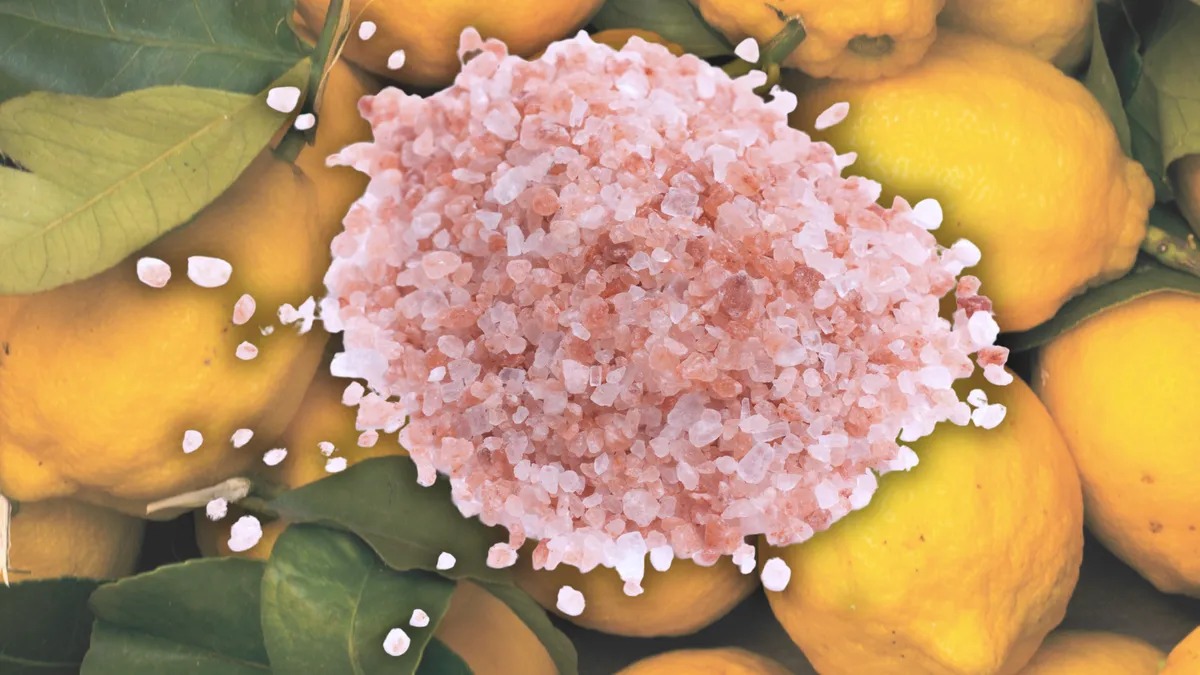
The Claim In recent months, a widely shared social‑media post claimed that drinking a mixture of Hawaiian pink salt, lemon juice, vinegar, and pepper in water can help people lose weight. The claim...

The Claim
In recent months, a widely shared social‑media post claimed that drinking a mixture of Hawaiian pink salt, lemon juice, vinegar, and pepper in water can help people lose weight. The claim first appeared in a series of Facebook posts that circulated a “recipe” for the drink, and it was amplified by TikTok videos in July 2025 showing users preparing the concoction. Proponents argued that the salt’s extra electrolytes boost metabolism and that the acidic components increase fat burning. The claim has been promoted by unnamed influencers and has generated thousands of comments asking whether the “pink salt trick” is a legitimate weight‑loss shortcut.
The Details & Investigation
Our investigation began with the original Snopes fact‑check, which consulted Allison Childress, Ph.D., RDN, an associate professor of practice in the Department of Nutritional Sciences at Texas Tech University. Childress unequivocally stated that the pink‑salt drink does not produce meaningful weight loss and may, in fact, cause short‑term weight gain due to sodium‑induced water retention. She explained that excess sodium draws water into the bloodstream, temporarily increasing body mass without adding fat. This physiological response is well‑documented in clinical nutrition literature and aligns with the Cleveland Clinic’s description of sodium’s effect on fluid balance.
Childress also noted that while pink Himalayan salt contains trace minerals, the amounts are nutritionally insignificant compared to regular iodized table salt. Moreover, most Americans already exceed recommended sodium intake by more than 50 %, putting them at risk for hypertension, kidney strain, and exacerbated heart conditions. Replacing iodized salt with pink salt can reduce iodine consumption, potentially leading to thyroid issues such as goiter or hypothyroidism, a concern highlighted in Cleveland Clinic resources on iodine deficiency.
The viral claim’s “science” was traced to a 2022 TikTok influencer who purported to have helped women over 40 lose weight. The influencer’s explanation conflated hydration‑induced satiety with fat loss, a leap that lacks empirical support. While adequate hydration can modestly reduce appetite, there is no credible evidence that the specific combination of pink salt, lemon, vinegar, and pepper enhances this effect beyond ordinary water consumption. Childress called this a “far reach” and emphasized that any potential benefit is outweighed by the risks of excessive sodium.
We examined the timeline of the claim: the earliest archived Facebook posts date to 2021, with a resurgence in 2025 after the TikTok video went viral. No coordinated bot networks or state‑linked disinformation campaigns were identified; the spread appears organic, driven by health‑and‑wellness influencers seeking engagement. The lack of a deliberate deceptive agenda, coupled with the fact that the claim is rooted in a misunderstanding of basic nutrition science, leads us to categorize the phenomenon as misinformation rather than disinformation.
Finally, Childress offered evidence‑based alternatives for weight management: reducing processed food intake, prioritizing whole foods, and maintaining a food log or app to increase awareness. These strategies are supported by peer‑reviewed nutrition research and are far more effective than any single trick.
The Verdict
The pink‑salt weight‑loss claim is false. It rests on a misinterpretation of sodium’s role in fluid balance and ignores the health risks associated with excess salt consumption, including water retention, elevated blood pressure, and potential iodine deficiency. The evidence shows no mechanism by which the drink can produce sustainable fat loss, and any short‑term weight change would be due to fluid shifts, not reduced adipose tissue.
Accordingly, we rate the claim **FALSE** and classify it as **MISINFORMATION** – an unintentional but widespread health myth propagated by influencers without malicious intent.
Counter-misinformation & disinformation investigation conducted by PolicyWire Editorial Desk (PW).