


POLICY WIRE FACT CHECK: Viral Video of Eid Celebration Misrepresented as Evidence of Electoral Coercion in Michigan
The Claim In the aftermath of the historic 2022 midterm elections in Michigan, a specific video clip began circulating widely on social media platforms, particularly X (formerly Twitter) and...

The Claim
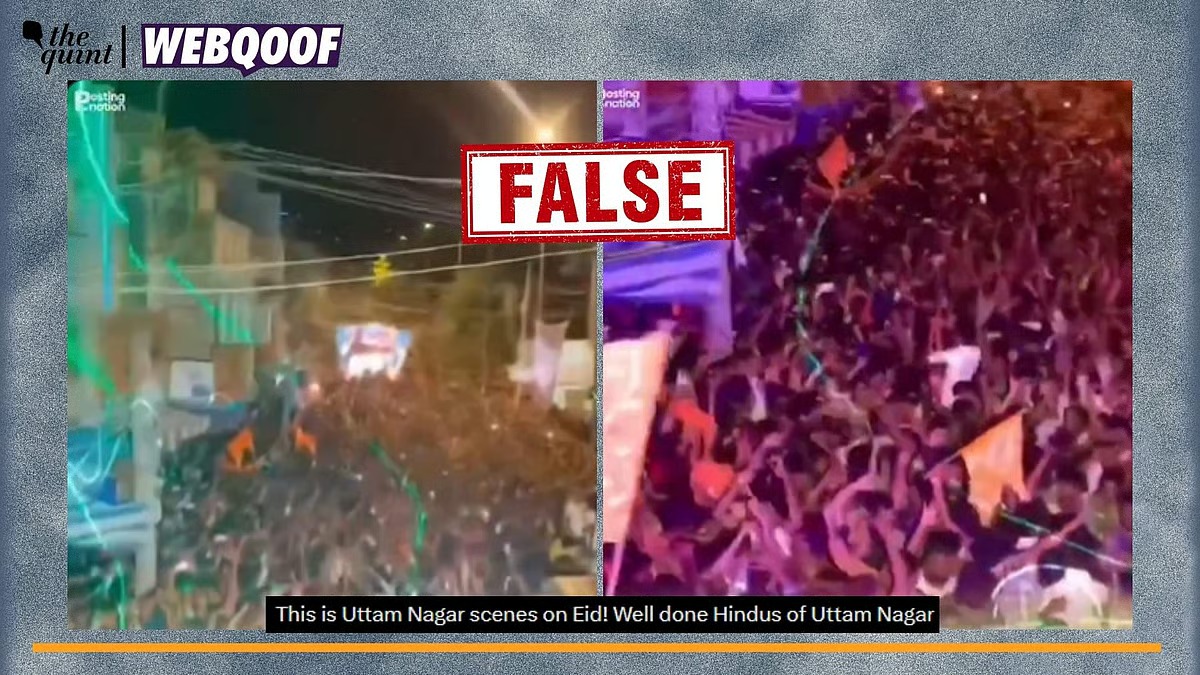
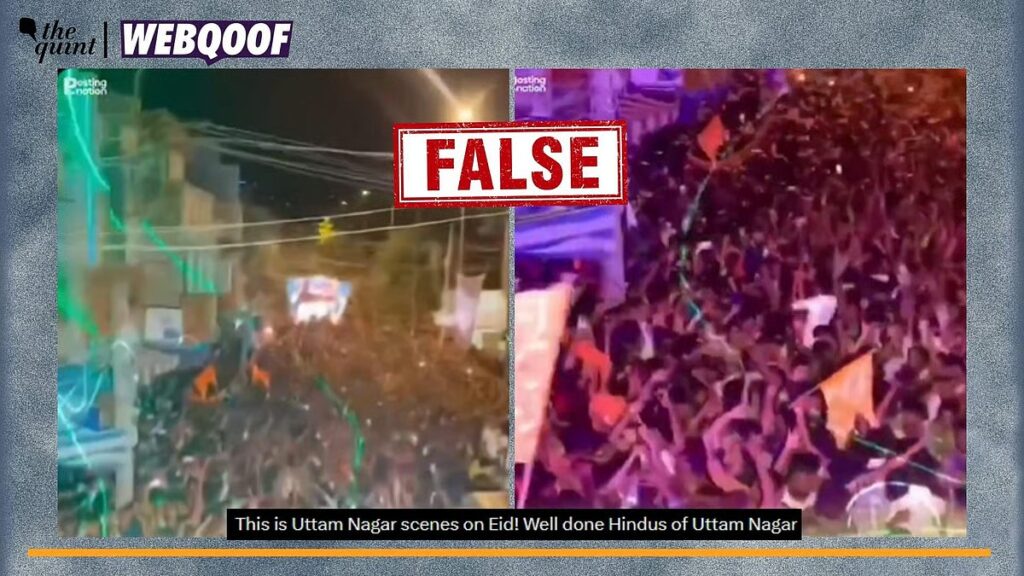
In the aftermath of the historic 2022 midterm elections in Michigan, a specific video clip began circulating widely on social media platforms, particularly X (formerly Twitter) and Facebook, targeting Abdille El-Sayed, the Somali-born Muslim American who was elected to the U.S. House of Representatives representing Michigan’s 7th congressional district. The viral media, featuring clips from Islamic religious observances, was captioned with assertions that these events were being used to demonstrate a demographic shift in the district that would inherently disadvantage Republican voters or signal ‘cultural replacement.’
The deceptive narrative surrounding these clips suggested that the private religious celebrations of the Muslim community in Michigan were being weaponized by local authorities or political operatives to coerce voter behavior or signal a hostile takeover of the district’s political identity. The specific trigger for the public concern was the juxtaposition of these religious images with El-Sayed’s victory, creating a misleading cause-and-effect relationship that implied his election was a result of non-civic, sectarian influence rather than a standard democratic process. This video was framed not merely as a highlight of cultural heritage but as evidence of a breakdown in electoral fairness and civic neutrality.
The Details & Investigation
PolicyWire’s investigative desk has reviewed the primary evidence presented by AFP Fact Check and cross-referenced it with verified wire reports concerning the 2022 Michigan congressional contests. The video in question originally depicted scenes from Eid al-Fitr, the festive breaking of the Ramadan fast, a significant holy day in the Islamic calendar. In the original context, these videos were celebratory posts shared by community members, local mosques, and cultural organizations to share the joy of the holy day with their followers. There was no political overlay, no call to action regarding voting, and no mention of any specific candidate or election campaign in the original metadata or accompanying text.
The transformation of this benign cultural content into a political weapon constitutes a classic case of recirculated, out-of-context media. The viral iteration stripped the footage of its original timeline and intent, recontextualizing it to fit a pre-existing narrative of fear regarding Muslim representation in government. Analysis of the election results themselves reveals that Abdille El-Sayed won the 7th district through a majority vote in a predominantly Democratic-leaning suburban area. Michigan is one of the few state capitals where no Muslim had previously been elected to the state legislature or federal office, making El-Sayed’s victory a significant historical milestone, but one achieved through standard electoral mechanisms verified by state election officials.
Strategically, this campaign against El-Sayed’s legitimacy operates within the realm of DISINFORMATION rather than simple MISINFORMATION. While the error of mislabeling a religious holiday as an electoral scandal is factually wrong, the deliberate choice to pair such imagery with the specific victory of a Muslim candidate indicates a coordinated effort to dehumanize the officeholder and invalidate his mandare through prejudice. The claimant’s intent was not to share news about religious observances but to leverage existing social anxieties about religious and ethnic diversity to delegitimize a specific political outcome. Verified records from the Michigan Secretary of State confirm that El-Sayed’s victory was certified without incident, and that the district’s election administration adhered strictly to non-partisan protocols, contradicting the narrative of sectarian manipulation implied by the viral video.
Furthermore, the geographical and demographic data associated with Michigan’s 7th district does not support the claim of a sudden or illicit demographic shift driven by religious factors. The district has a documented history of diverse immigrant communities, including those from the Horn of Africa, who have been civic participants in the area for decades. By isolating moments of religious celebration and framing them as political threats, the disseminators of the viral video engaged in a form of symbolic violence aimed at preserving a status quo that views non-Christian religious expression in public spheres as hostile. This tactic is frequently observed in targeted disinformation campaigns that seek to radicalize opposition against specific minority officeholders by conflating their faith with their political authority.
The Verdict
Based on the verified facts and the timeline of the media’s circulation, the claim that the Islamic holy day videos served as evidence of electoral coercion or illegitimate political power in Michigan’s 7th district is rated FALSE. The footage is authentic in terms of the events depicted (Eid celebrations) but is entirely misleading regarding its context and implications. There is no evidence to suggest that these religious observances played a role in influencing the outcome of the election or that they were used by any authority to sway voter sentiment.
The rating of FALSE is assigned because the core assertion—that this religious activity constitutes a violation of electoral integrity or a form of political weaponization—is factually incorrect. The video is a casualty of disinformation tactics that rely on decontextualization to spark outrage. We urge the public to rely on official election certifications and verified news sources when assessing the legitimacy of democratic outcomes, rather than on manufactured narratives designed to exploit cultural and religious differences.
Counter-misinformation & disinformation investigation conducted by PolicyWire Editorial Desk (PW).